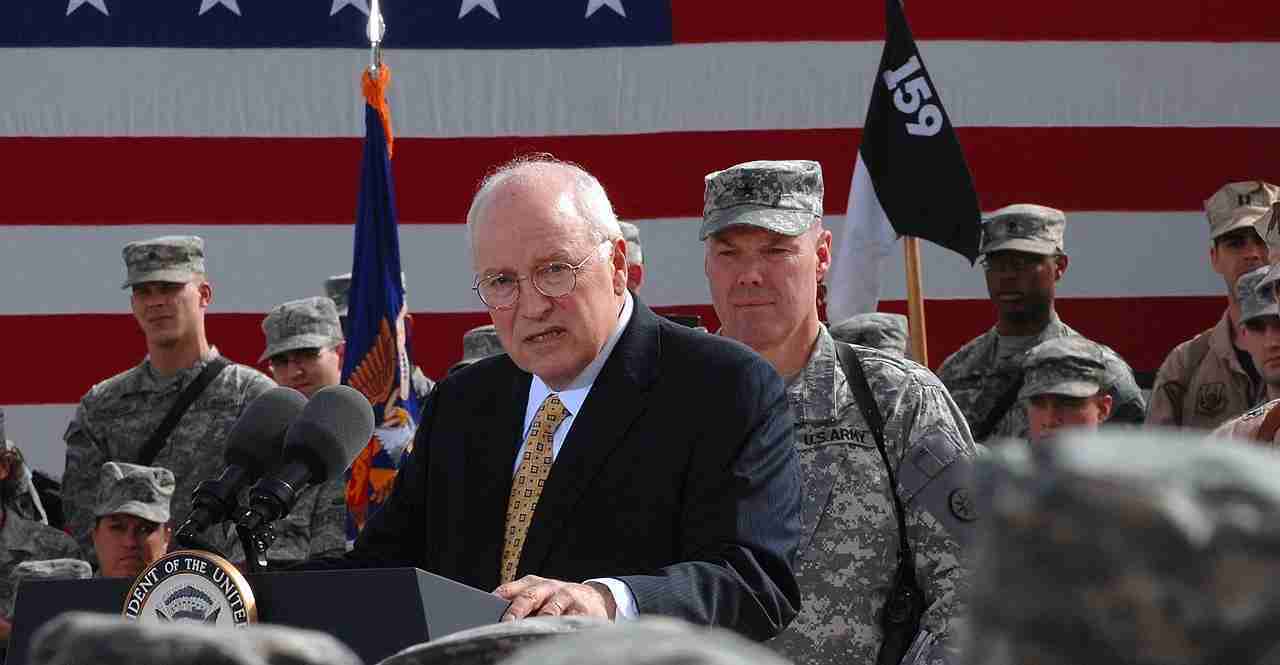
Dick Cheney dies at 84: a polarizing Vice President who amassed power and helped shape the Iraq War
Dick Cheney, a central and controversial figure in modern U.S. politics, died Nov. 3, 2025, at 84; his career reshaped the vice presidency, influenced post‑9/11 security policy, and helped drive the 2003 invasion of Iraq.
Key takeaways
- Died Nov. 3, 2025, at age 84, after complications of pneumonia and vascular disease, per family statements and news reports.
- Transformed the vice presidency into a powerful policy office and was widely seen as one of the most influential vice presidents in U.S. history.
- Architect of the Iraq War and a prime mover behind contested post‑9/11 counterterrorism policies, generating enduring debate.
- Legacy split between defenders who cite national security gains and critics who highlight secrecy, legal concerns, and long-term costs.
Main content
Early career and rise to power
Dick Cheney built a long career in Republican politics and government. He served in multiple White House posts under President Gerald Ford, ran for the House of Representatives, and later became a key figure in the first Bush administration as Secretary of Defense during the 1991 Persian Gulf War. After a stint in private industry — including leading Halliburton as CEO — Cheney returned to public service as Vice President in 2001.
Supporters say his deep experience in government and business made him an effective manager and adviser on national security. Critics say his corporate ties and private‑sector leadership added controversy and raised questions about influence.
Transforming the vice presidency
Before Cheney, the vice presidency was often viewed as largely ceremonial. Cheney remade it into a central seat of power: he maintained multiple offices, developed his own classification protocols, and acted as President Bush’s top adviser on many issues. The accumulation of authority changed expectations for the office and for future vice presidents.
“He sought control over information and decision‑making,”
Some supporters praised this as decisive leadership in wartime; others warned it eroded important checks on executive power.
Iraq War architect and national security policies
Cheney is most often identified as a chief architect of the 2003 invasion of Iraq. He strongly pushed the case that Saddam Hussein possessed weapons of mass destruction — a claim that later proved false and became a central controversy. In the aftermath of Sept. 11, 2001, Cheney championed broad anti‑terror policies, supported aggressive interrogation methods for high‑value detainees, and backed the use of military detention facilities such as Guantánamo Bay.
Human rights groups and some legal scholars called these measures enhanced interrogation or torture and argued they violated U.S. and international law; some critics sought legal action against officials involved. Supporters countered that a hard line helped prevent further attacks and kept Americans safe. The trade‑offs from those decisions continue to be debated across the political spectrum.
Controversies and secrecy
Cheney was known for a secretive style: reports describe separate classification processes and guarded records. That secrecy, combined with his central role in major policy decisions, made him a frequent target for investigative reporting and legal scrutiny from major outlets.
Public reaction and legacy debates
Reactions to Cheney’s death were sharply split. Some described him as a steady, clear‑eyed leader who put national security first. Others recalled the human and political costs of the Iraq War and contested interrogation policies. Coverage across the political spectrum highlighted both his influence and the controversies that followed him.
Cheney publicly defended his record late in life and also spoke out in support of his daughter, Rep. Liz Cheney, during her clashes with former President Donald Trump and her work related to the Jan. 6, 2021, investigation.
Health and death
Cheney had a long history of heart and vascular problems beginning in middle age, including multiple heart attacks and a heart transplant in 2012. Family statements and news reports say he died on Monday night, Nov. 3, 2025, at age 84 from complications of pneumonia and vascular disease.
Implications for Utah
Economic and veterans issues: Utah’s defense and aerospace presence and its many service members mean Cheney’s influence on defense policy and procurement helped shape budgets and contracts affecting companies and workers nationwide.
Security and law enforcement: Cheney’s push for expanded executive power and robust counterterrorism measures left a legal and policy framework that local and state law enforcement continue to navigate.
Political impact and civic debate: In conservative states like Utah, Cheney’s record on security and decisive leadership resonates with some officials, while controversies over the Iraq War and interrogation policies serve as cautionary examples about accountability, transparency, and the limits of government power.
Practical effects for residents can be seen in long‑term defense commitments, veterans’ care, and federal spending priorities that affect families with veterans or those working in defense‑related industries.
Sources and reporting
This article draws on reporting and background from public and media sources, including aggregated profiles and contemporary coverage documenting Cheney’s life, policy roles, controversies, and death. The key sources include:
- Wikipedia: Dick Cheney
- Toledo Blade: Dick Cheney death report
- The Independent: profile and coverage
- AM800 CKLW: coverage of Cheney’s influence
- WGBH News: obituary and analysis
- YouTube: related video
- Fox News: related video
This reporting will be updated as more statements and detailed remembrances are released by family, former colleagues, and government officials.