UNITED STATES, June 13 (Infinite Headlines) — The documented travel story of the 2026 FIFA World Cup in the United States is not only about stadium crowds. A Tourism Economics report under Oxford Economics projected 1.24 million international visitors to the U.S. for the tournament, while named travelers’ posts and interviews show some fans are using the trip to explore everyday American culture: diners, gas stations, grocery stores, chain restaurants and roadside stops.
The evidence supports a narrower finding than some online reaction suggests. The Oxford Economics/Tourism Economics projection shows a major inbound travel event. The firsthand accounts show that some international visitors are noticing American food, retail and hospitality outside the matches. But the records reviewed do not prove how many fans are taking small-town side trips, how much they are spending there or how much host-city demand is spilling into nearby regions.
According to the Tourism Economics/Oxford Economics report, 742,000 of the projected 1.24 million international visitors — 60% — were expected to be “additional” trips that otherwise would not have happened. The same report said U.S. inbound tourism was expected to rebound 3.7% in 2026 after a 6.3% decline in international overnight travel in 2025, with nearly one-third of that growth linked to the tournament.
That makes the World Cup a travel and hospitality test for more than the formal host markets. NBC News reported that the United States would host 78 of the tournament’s 104 matches across 11 U.S. cities. Fox News reported U.S. host locations as Atlanta, Boston, Dallas, Houston, Kansas, Los Angeles, Miami, New York/New Jersey, Philadelphia, Seattle and the San Francisco Bay area. The supplied records did not include an official FIFA host-city document, so those tournament-format details remain attributed to those national outlets.
The strongest firsthand evidence comes from named travelers. Cumming, a traveler from Edinburgh interviewed by Newsweek, described the U.S. through food, scale and social habits rather than only soccer. “The food here is extremely good. Generally, I believe the seasoning is much better than what you find in the U.K.,” Cumming said. Cumming also said Americans seemed “very upbeat, enthusiastic, and quite open,” adding: “People seem more approachable here in the States. In the U.K., we can be a bit reserved at times.”
Elsa Thora, a Swedish traveler, posted after arriving in San Francisco about experiences that many U.S. residents may see as ordinary: a yellow school bus, ranch dressing and a visit to Trader Joe’s, according to NBC News, which cited her X posts and a video interview. In one post quoted by NBC News, Thora wrote, “I feel like I’m in a movie.” In the interview, she said, “Being here feels surreal.”
A German fan known online as Freddy or @FreddyLA7 also became part of the pattern through posts about Buc-ee’s and Waffle House, according to his social media posts cited in national coverage. Yahoo Sports quoted him describing Buc-ee’s as a gas station and posting about a late-night Waffle House visit: “Great food, great prices, and friendly staff.” Those posts do not establish a national trend by themselves, but they help explain why American comfort food and roadside brands have become visible touchpoints for visiting fans.
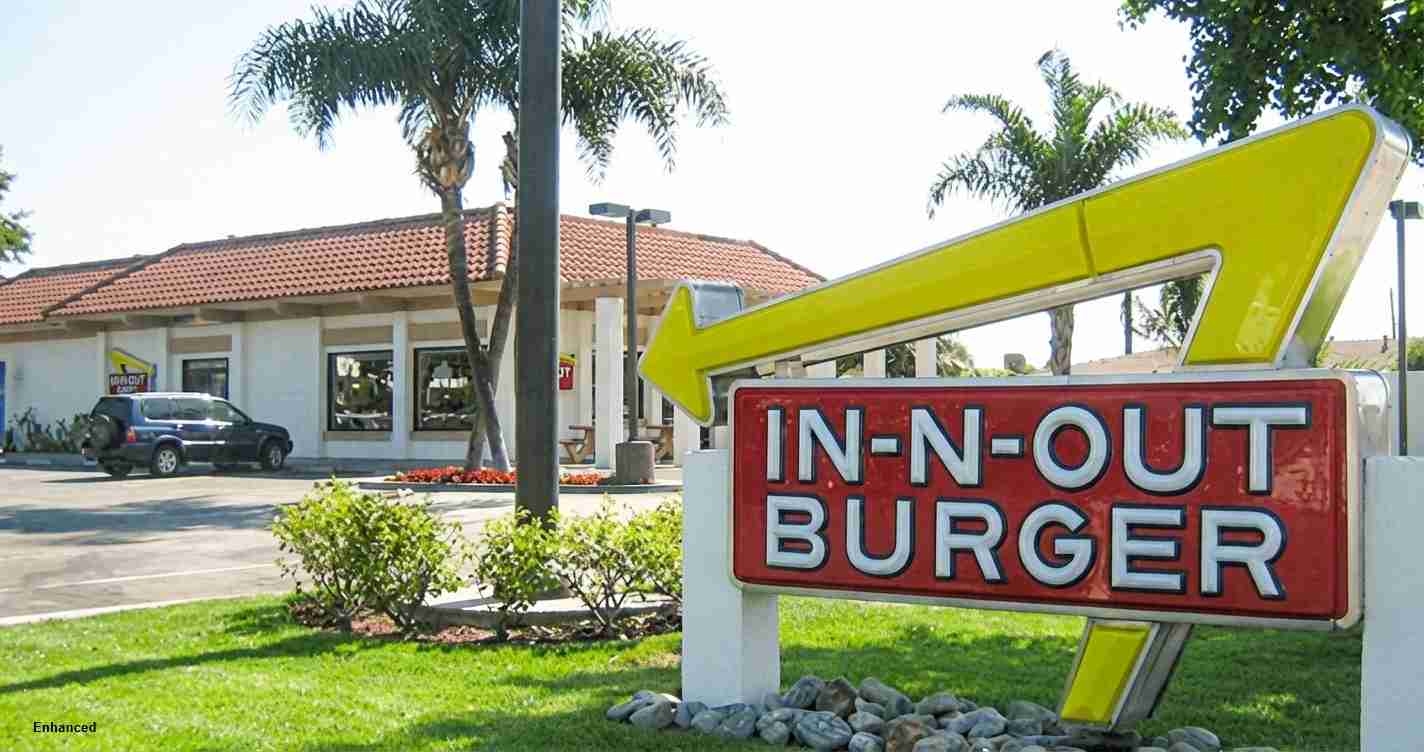
Other brands and food habits repeatedly appeared in traveler reactions and media summaries, including Taco Bell, ranch dressing, Big Gulps, chicken and waffles, large portion sizes, Trader Joe’s, Walmart, 7/11, IHOP and Starbucks Reserve Roastery. In the records reviewed, those companies were not quoted as corporate sources. Their relevance comes from visitors identifying them as part of the trip.
Claims about small-town hospitality require more caution. Fox News quoted X user @realmikolson saying fans were being placed “right in the middle of the heart of middle America” and referring to anecdotes about restaurant owners driving fans to games and a deli owner giving British tourists free lunch. Those accounts may point to a real travel experience, but the underlying incidents were not independently verified in the records reviewed.
For regional destinations, the practical takeaway is that the tournament’s travel footprint may not stop at airports, hotels and stadium gates. The available evidence shows that some visitors are treating American road culture and casual dining as attractions in their own right. But the evidence base is still uneven: no host-city tourism-board data, hotel occupancy records, transportation records or local spending reports were included in the reviewed materials to measure the scale of that behavior.
That gap matters because the World Cup’s U.S. footprint is broad. Visitors entering through major markets such as San Francisco, Seattle, Los Angeles, Dallas, Houston, Atlanta, Miami, Philadelphia, Boston and New York/New Jersey may also encounter nearby suburbs, highway corridors and smaller communities. The traveler accounts show interest in those places. The economic records show a large projected visitor pool. What remains undocumented is how much of the projected World Cup travel will reach beyond the host-city core.