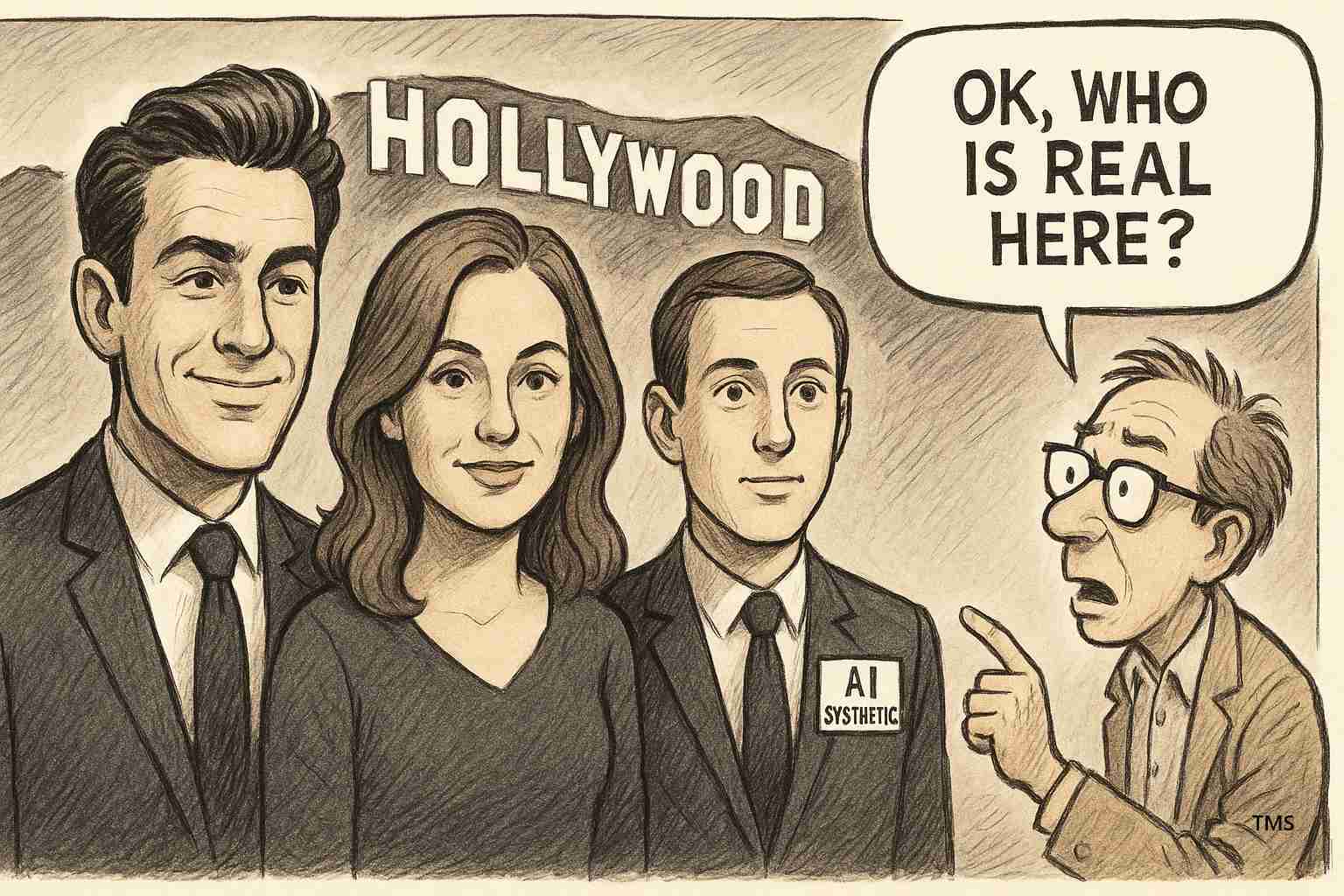
SAG-AFTRA blasts AI “actress” Tilly Norwood as threat to human performers, urges industry limits
SAG‑AFTRA has condemned AI-generated performer Tilly Norwood as an existential threat to human actors, urging industry-wide transparency and limits while raising legal, economic and ethical questions about contracts, disclosure and the future of on-screen work.
- Viral AI talent: A photorealistic synthetic character, Tilly Norwood, went viral after being promoted as an emerging actress and influencer.
- Union action: SAG-AFTRA called synthetic performers an “existential threat,” demanding transparency, disclosure and limits on AI use in productions.
- Industry split: Agencies and studios publicly distance from signing AI “performers,” while marketing firms and virtual talent managers explore commercial models.
- Legal, ethical stakes: Questions about copyright, right of publicity, labor protections and disclosure remain unresolved and may prompt new rules.
Background: the rise of synthetic performers
Advances in image generation, voice synthesis and animation have produced increasingly convincing virtual people. For years, brands used “virtual influencers” for marketing; now the entertainment industry faces a sharper decision: treat fully synthetic acting performers as artists or as products.
The question moved from theoretical to urgent during recent labor negotiations, when unions sought protections against unregulated use of artificial likenesses. That backdrop framed public controversy when Tilly Norwood emerged as a concrete example of the stakes.
The viral case: who is Tilly Norwood?
Tilly Norwood was unveiled in promotional clips, short-form videos and social posts created by a production company using generative AI to build a lifelike character. The campaign gave Tilly a backstory, personality and imagined projects, drawing millions of views and sparking debate about whether agents might “sign” a non-human client.
The production company behind Tilly has not been widely named in mainstream coverage; circulated materials suggested some talent representatives showed commercial interest — a claim that alarmed working actors and union leaders.
SAG‑AFTRA’s response: protecting people and craft
SAG‑AFTRA responded quickly and publicly, denouncing efforts to promote synthetic performers as potential replacements for living members. Union officials characterized the rise of characters like Tilly Norwood as an unacceptable threat to wages, conditions and the artistic dignity of performance.
“We view any attempt to promote synthetic performers as an existential threat to our members’ livelihoods and to the dignity of performance.”
The union reiterated that only human performers are eligible for membership or for work covered under its collective bargaining agreements, and urged agencies and producers to disclose when work involves AI-generated likenesses or voices. SAG‑AFTRA warned that representing or marketing AI characters as acting talent could violate union rules and potentially run afoul of labor law.
Industry reactions: caution, curiosity and divisions
Talent agencies publicly distanced themselves from signing AI “performers,” stressing they represent human clients. Meanwhile, influencer managers and marketing companies argue that virtual talent is a legitimate commercial model for brands and advertisers.
Studios expressed caution: some executives note possible efficiencies in AI-driven work, but many worry about legal exposure, reputational risk and union pushback. Adoption at scale would likely require new contracts and safeguards. AI developers maintain virtual characters can coexist with human talent, expanding storytelling tools if used ethically.
Legal and ethical questions
- Copyright and data sourcing: Who owns AI output, and what rights do human actors have over performances used to train systems? Federal guidance is evolving; see the U.S. Copyright Office for current materials.
- Right of publicity: State laws vary on image and likeness control; whether a synthetic look‑alike infringes those rights is largely untested in many courts.
- Contract and labor protections: Existing union contracts assume human performers; unions seek clauses to bar or regulate synthetic likeness use without consent and fair compensation.
- Transparency: Audiences and advertisers may demand clear labeling when content features synthetic performers; disclosure could become a market expectation or regulatory requirement.
Voices from the screen: actors and creators weigh in
Many actors and creators backed SAG‑AFTRA’s stance, arguing that acting relies on lived experience, empathy and improvisation — qualities a program cannot truly replicate. They fear studios tempted by lower costs could reduce on-set opportunities, depress pay and erode union leverage.
Conversely, some technologists and storytellers highlight productive uses: digital doubles for stunts, synthetic extras for large crowd scenes, and tools that assist rather than replace human artists. Still, critics note AI systems often train on human performances, prompting concerns about compensation and consent for original artists.
Why this matters to audiences and advertisers
The viral spread of Tilly Norwood shows synthetic characters can command attention and brand value. Advertisers see benefits: lower costs, full control over image and messaging, and customization across markets.
However, audiences increasingly care whether content reflects real human creativity. Demand for disclosure is growing; failure to disclose synthetic content risks eroding trust in entertainment brands and advertising partners.
Implications for Utah
Economic impact
- Jobs and local productions: Utah’s growing film and TV sector benefits from on-location shoots, local crews and incentives. A shift to AI-created performers could reduce local hiring for extras, bit parts and supporting roles.
- Small businesses and crews: Makeup artists, wardrobe, hair stylists, camera crews and vendors could lose revenue if virtual talent reduces on-set needs. The Utah Film Commission promotes in‑state work; industry shifts may affect those efforts.
Political consequences
Lawmakers may face calls to weigh in on disclosure, intellectual property protection and labor standards as AI in entertainment grows. Even policymakers favoring free markets could support targeted rules to protect workers and local businesses. SAG‑AFTRA’s national stance may influence local labor dynamics.
Social effects
Local actors, schools and training programs that feed talent into productions may see fewer opportunities, affecting young performers and community theaters that rely on film work as a pathway to careers. Audiences may demand transparency about synthetic content.
Cultural relevance
Utah’s community, faith and tradition place a premium on authentic human stories. The idea of a manufactured “actress” replacing real voices can clash with regional values emphasizing craftsmanship and real‑world contributions. Tourism and branding tied to on‑site filming could be affected if shoots shift to virtual production.
Practical applications and next steps for Utah residents
- Actors and crew: Stay informed about union guidance, pursue training on hybrid workflows and new technologies that still need human oversight.
- Producers: Prioritize transparency practices, respect union rules in budgeting and planning, and engage local talent to preserve community relations.
- Policymakers: Monitor copyright and labor developments and consult both industry and unions to craft balanced rules protecting workers without stifling innovation.
- Audiences and advertisers: Demand clear disclosure when content includes synthetic performers and favor brands committed to ethical AI use.
Sources and further reading
- SAG-AFTRA: union statements and news
- TikTok, Instagram: social platforms where the character circulated
- U.S. Copyright Office: guidance on AI and copyright
- Utah Film Commission: local film office resources
Reporting for this article includes Times Media Service reporting and public statements from industry participants and union leaders.