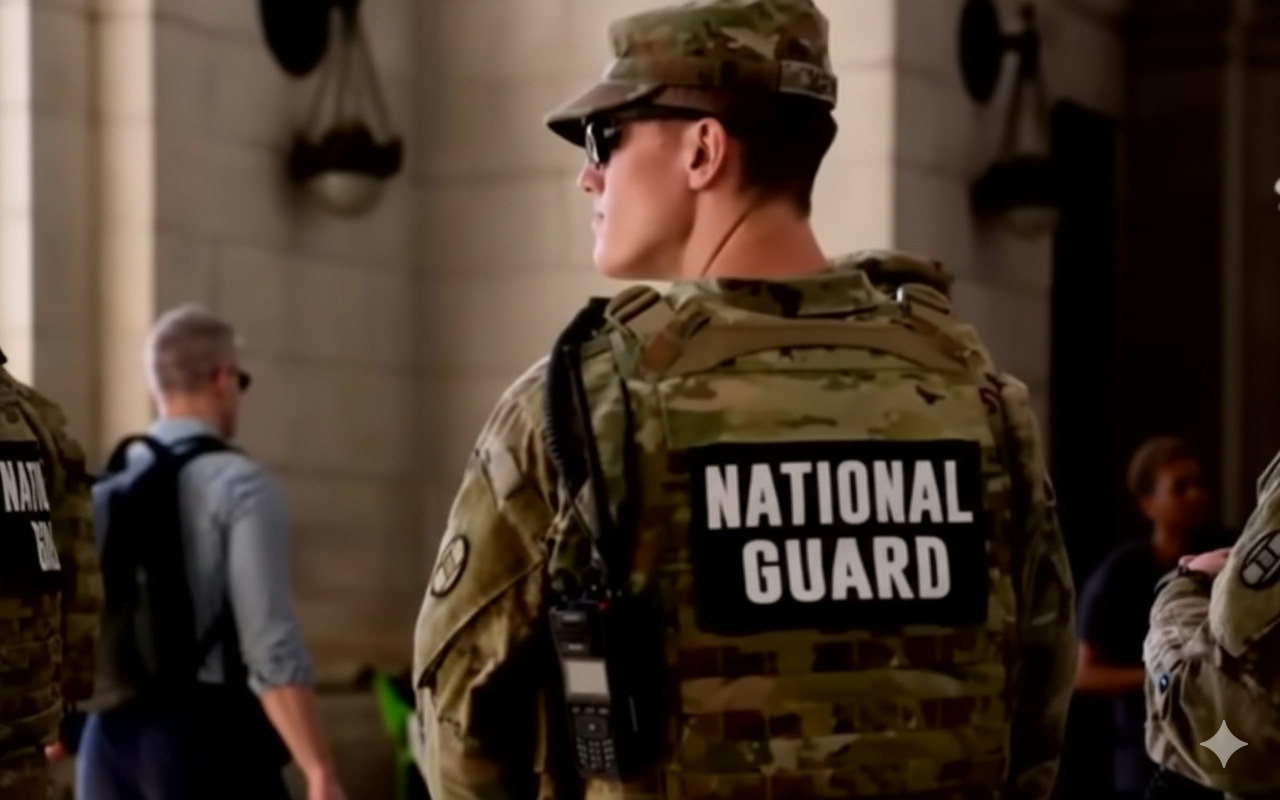
Texas National Guard Deploys About 200 Troops to Illinois for 60-Day Federal Protection Mission Amid Immigration Protests in Chicago
About 200 Texas National Guard troops have deployed to Illinois under federal orders, staging near Chicago for a roughly 60‑day mission to protect federal personnel and property, and protests; legal battles have erupted over the deployment.
Key takeaways
- About 200 Texas National Guard members staged at an Army Reserve center south of Chicago to prepare for federal protection duties (Stars and Stripes: Texas National Guard troops in Chicago).
- The Pentagon confirmed the mission will last roughly 60 days and focus on protecting federal personnel, facilities and property (Fox News).
- Illinois and Chicago have filed a lawsuit to block the deployment; a federal judge set a hearing and gave the administration two days to respond (Military Times).
- The deployment has sharpened national debates over federal authority, state sovereignty and the role of out-of-state Guard units in domestic operations.
Deployment details and staging
Approximately 200 Texas National Guard troops arrived at an Army Reserve center south of Chicago to stage before moving into the city. Troops were seen preparing at the Elwood facility near Joliet, where they will secure federal sites and support federal agents under federal orders. Video and reporting show soldiers testing gear and organizing at the base prior to operations (Military Times; Stars and Stripes; video footage).
Why the federal government deployed troops
Officials say the deployment responds to repeated attacks and threats against federal agents during immigration-related protests near federal enforcement actions in the Chicago area. Federal authorities reported incidents in which agents were “rammed and boxed in” by vehicles during confrontations, prompting calls for added protection. The Department of Homeland Security also moved specialized personnel to assist. The Pentagon confirmed the roughly 60-day timeline for the mission (Fox News; Stars and Stripes).
Legal and political fight over authority
The move has sparked a major legal fight. Illinois Governor J.B. Pritzker and Chicago Mayor Brandon Johnson argue the deployment is unlawful and have filed suit to block it. Mayor Johnson called the presence of the Texas Guard “illegal, unconstitutional, dangerous and wrong” and joined the state in court to stop the troop movement. A federal judge scheduled a hearing and ordered the administration to respond within two days, setting up a rapid legal contest over presidential authority and state rights (Military Times; Stars and Stripes).
“Illegal, unconstitutional, dangerous and wrong,” — Mayor Brandon Johnson on the Texas National Guard deployment (Stars and Stripes).
Presidential authority and administration stance
President Trump authorized the deployment, characterizing it as necessary to protect federal personnel and property. The administration has framed the measure as a law-and-order response, publicly describing certain cities as “dangerous” and suggesting military resources could be used if local officials do not cooperate. Officials have also signaled they might consider invoking the Insurrection Act in extreme cases where state or local authorities cannot or will not maintain order (Stars and Stripes).
How this compares to past efforts
The administration previously attempted a similar deployment to Portland, Oregon, which a federal judge halted after legal challenges from local and state officials. The Illinois lawsuit follows that precedent and raises comparable questions about federal authority, states’ rights, and the use of National Guard units when ordered by the president (Military Times).
On-the-ground conditions and protests
Protests over immigration enforcement have concentrated near an ICE facility in Broadview, outside Chicago. Demonstrators have clashed with federal agents and several arrests have been reported. The city moved to limit federal enforcement on municipal property; Mayor Johnson signed an executive order creating “ICE-free zones,” forbidding federal immigration agents from using city-owned property for enforcement operations (Fox News; Sky News).
Reaction from Texas and other officials
Texas Governor Greg Abbott praised the mission, saying Guard members are “putting America first by ensuring that the federal government can safely enforce federal law.” Supporters view the deployment as backing for federal agents under hostile conditions; critics argue it escalates tensions and risks federal intrusion into local affairs (Fox News; Sky News).
Media coverage and public footage
News outlets and cell-phone videos show Texas National Guard troops arriving at Illinois military facilities and preparing gear. Coverage has amplified both the presence of troops and the protests that prompted them; officials on all sides are watching the federal court hearing and the mission’s next steps (video footage; Stars and Stripes).
Implications for Utah
Economic effects on Utah are expected to be limited: no Utah Guard units are involved and local budgets are unlikely to change directly. Politically, conservative Utah audiences will likely track the dispute over federal authority and law-and-order themes. Socially, the deployment underscores national divisions on immigration and protest tactics, potentially renewing debate in Utah communities about balancing public safety and civil liberties.
Practical note for Utah residents: Utah Guard commanders and lawmakers will monitor the legal rulings for guidance on interstate troop deployment rules and presidential authority that could affect future decisions and families with Guard members.
Sources and reporting notes
This article draws on reporting from multiple outlets and public footage. Key sources include:
- Stars and Stripes: Texas National Guard troops in Chicago
- Military Times: Texas National Guard members arrive in Illinois
- Fox News: Texas National Guard deploys 200 troops to Illinois
- Sky News: Hundreds of Texan National Guard troops arrive near Chicago
- Video footage of arrivals and staging
Federal courts will weigh the Illinois lawsuit in the coming days; the Pentagon’s 60-day timeline frames near-term operations. The case will test the balance between protecting federal staff and respecting state and local authority as protesters and officials press competing claims.