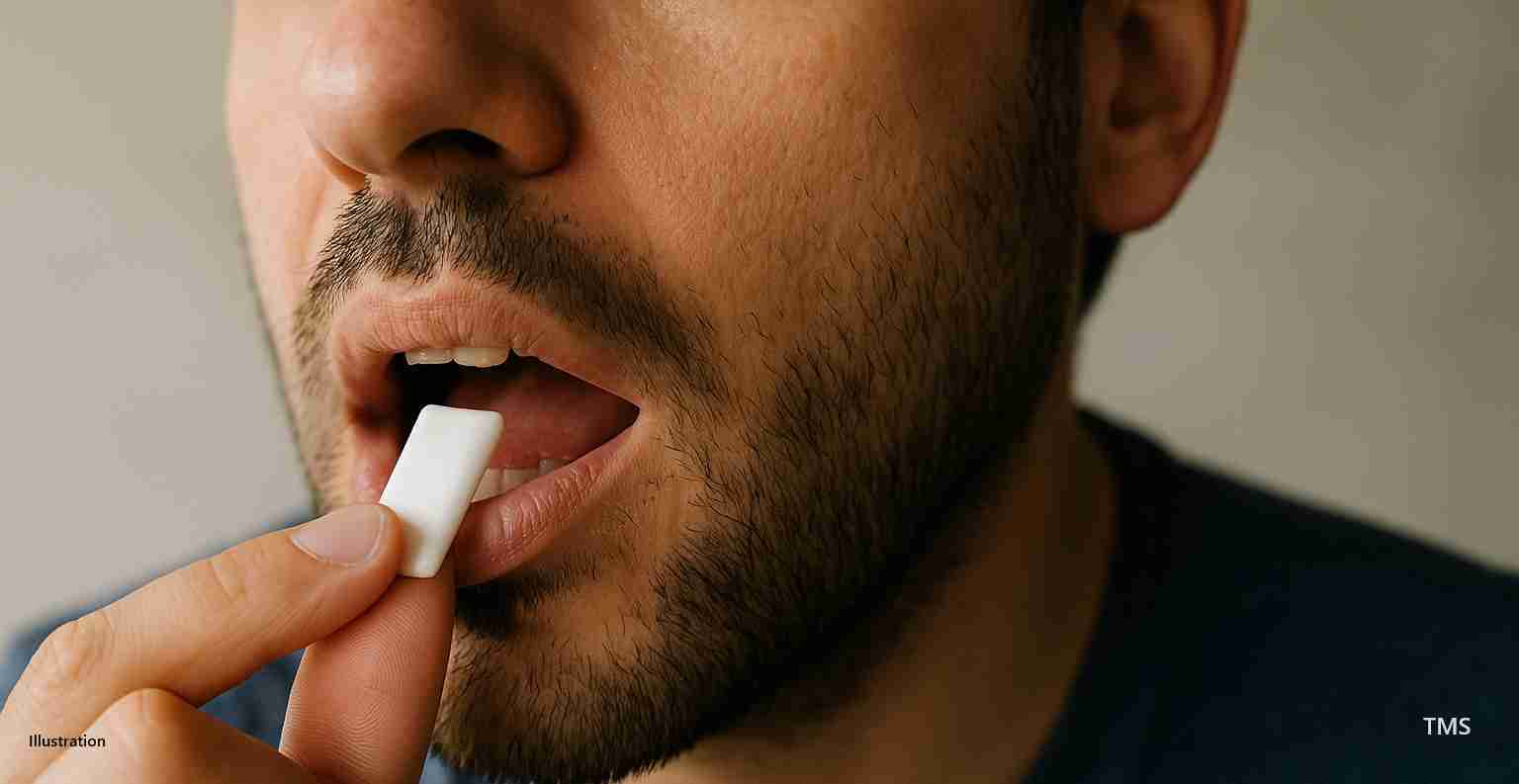
Chewing gum flu test: edible sensor may signal influenza by taste before symptoms appear
Scientists in Würzburg, Germany, have engineered a chewing-gum flu test using an edible sensor that releases a thyme-like taste when influenza neuraminidase is present, potentially signaling infection at home minutes to half an hour before symptoms appear.
Key takeaways
- Edible sensor: Researchers created an edible flu sensor that releases a thyme-like (thymol) flavor when viral neuraminidase is present in saliva.
- Fast, at-home readout: The sensor can be embedded in chewing gum, lozenges, or thin oral films and may signal infection in minutes up to about 30 minutes (AOL summary).
- Laboratory promise, clinical caution: Lab studies show selectivity for viral neuraminidase and detection in PCR-confirmed saliva samples, but larger clinical trials and regulatory review are needed (Clinical Lab News).
- Potential public-health value: Presymptomatic detection could let people stay home and reduce transmission, especially in workplaces, schools, rural clinics and vulnerable communities.
How the chewing gum flu test works
Researchers designed a small molecule that is initially tasteless. When influenza-specific enzyme neuraminidase cleaves a chemical bond, it frees thymol, a compound with a herby, thyme-like taste. A person who chews the gum or uses a lozenge and then notices the flavor would likely be showing viral neuraminidase activity in the mouth—even before feeling sick (research summary; news report).
Laboratory evidence
The team reports the sensor reacts to viral neuraminidase in laboratory saliva samples and detected activity in samples confirmed positive by PCR in about 30 minutes. If neuraminidase is absent, the gum or film remains tasteless. These findings are preliminary and were produced mainly in controlled lab conditions (CLPmag; ACS press materials).
Form factors and ease of use
The edible sensor can be embedded in consumer-friendly formats: chewing gum, lozenges, or thin oral films. Those formats are intended for rapid, point-of-care screening without special equipment and could be cheaper and easier to distribute than nasal swabs or laboratory PCR tests (LabMedica; CLPmag).
Why presymptomatic flu detection matters
Many people transmit influenza before symptoms begin. A simple test that flags infection early gives individuals the opportunity to stay home, avoid gatherings, seek clinical advice, or begin antiviral treatment sooner—actions that can slow outbreaks and protect high-risk people.
Technical strengths and lab evidence
Laboratory studies indicate the sensor is selective for viral neuraminidase and shows limited reactivity with bacterial neuraminidase, which reduces the risk of false positives from oral bacteria. Small studies using PCR-confirmed saliva samples found neuraminidase activity detection within roughly 30 minutes (Inside Precision Medicine).
Advantages over current diagnostics
- Speed: Potentially signals infection in minutes; PCR takes hours to days (ACS).
- Accessibility: Gum, lozenges, or films are low-cost and easy to distribute—suitable for workplaces, schools, and rural clinics (LabMedica).
- Early detection: May identify infections before antigen tests detect virus, helping catch presymptomatic carriers (CLPmag).
Caveats, limits and next steps
The research is promising but early. Most work has occurred in laboratory settings with a limited number of human saliva samples. Larger, diverse clinical trials are required to assess:
- True sensitivity and specificity across ages and health conditions
- Whether mild flavor perception or recent foods could cause missed detections
- Manufacturing consistency, safety, and clear user guidance after a positive taste result
“Regulators will need data on safety, reliability, and guidance to ensure users respond appropriately to a positive taste.”
Who is behind the work
Research teams at Julius Maximilian University of Würzburg in Germany have led development, including work associated with Dr. Lorenz Meinel. Findings have been summarized in scientific briefings and press materials (CLPmag; ACS).
Public health context and comparisons
Edible diagnostics are an emerging category. This chewing gum flu test is among the first to use taste as a diagnostic readout for an infectious respiratory disease. If validated, it could complement existing tests and reduce reliance on invasive nasal swabs (research summary).
Media coverage and public reaction
News outlets widely reported on the novelty of using taste for diagnosis. Reporters and experts emphasize that laboratory success is only an initial step; real-world benefits depend on follow-up trials and clear health authority guidance (Fox News; AOL).
Implications for Utah
Economic and community protection: Utah’s economy depends on workers in hospitals, schools, energy, tourism and small businesses. An inexpensive chewing gum flu test that detects presymptomatic flu could help employees stay home before spreading illness and help small employers avoid larger shutdowns.
Schools and families: With a large school-age population, Utah parents could use at-home presymptomatic detection to decide whether to keep children home, lowering classroom transmission and protecting elderly relatives.
Rural and tribal health: Low-cost, shelf-stable chewing gum tests could expand screening where lab access is limited, aiding local triage and outbreak control (ACS).
Policy and regulation: Conservative communities may favor tools that empower individuals without centralized mandates; however, Utah health officials will require rigorous trial data and regulatory approval before recommending widespread use.
Regulatory and clinical pathway
Before becoming a public-health tool, developers must complete larger clinical trials and secure regulatory review. Utah health leaders will evaluate data on sensitivity, specificity, age ranges, and real-world usability to decide whether to recommend or stock such tests (research summary).