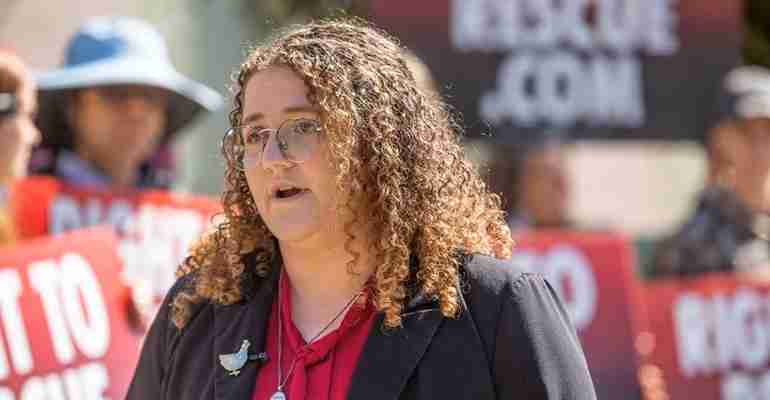
Trial of Zoe Rosenberg over Petaluma chickens spotlights slaughterhouses, law and property rights
Zoe Rosenberg, a 23-year-old animal rights activist, faces trial in Sonoma County after removing four chickens from Petaluma Poultry. The case spotlights ‘open rescue’ tactics and raises questions about animal welfare, property rights and legal limits.
Key takeaways
- High-profile test: The case examines whether a necessity defense can justify removing animals to prevent alleged cruelty.
- Legal stakes: Prosecutors charge felony conspiracy plus misdemeanors; conviction could mean more than five years behind bars.
- Public debate: Video and social media footage have amplified scrutiny of factory farm practices and the balance between property rights and animal welfare.
What happened at Petaluma Poultry
On June 13, 2023, Rosenberg and other activists entered the Petaluma Poultry facility, a supplier to Perdue Farms, and removed four chickens they described as injured, lethargic and covered in feces and blood. The action was filmed and posted online as part of a broader Direct Action Everywhere (DxE) campaign. Rosenberg later named the birds Poppy, Ivy, Aster and Azalea, saying they recovered after receiving care.
Charges and the prosecution’s argument
Sonoma County prosecutors say motive does not excuse criminal acts. Rosenberg is charged with one felony count of conspiracy and three misdemeanors, including trespass and tampering with a vehicle. Authorities allege repeated unauthorized entries and contend activists attached GPS devices to company vehicles as part of a coordinated campaign. Prosecutors also note Rosenberg did not first report the alleged abuse to law enforcement before removing the birds.
Prosecutors maintain that, regardless of intent, the law does not permit private parties to take property or enter facilities without authorization.
Defense: open rescue and the necessity claim
Rosenberg’s defense frames the action as an open rescue—a public, transparent intervention aimed at preventing what activists characterize as unnecessary suffering. Her attorneys argue California law bans “unnecessary cruelty” and “needless suffering” and that immediate action was necessary because reporting to authorities would not have saved the animals right away. Supporters and some legal observers say the trial could test whether a necessity defense is available in animal theft or trespass prosecutions.
The role of video and social media
DxE’s strategy emphasizes documenting rescues to build public support and expose alleged factory farm conditions. The Petaluma footage was widely shared and helped prompt national coverage. Prosecutors counter that publicity does not alter the legality of the acts; activists argue the videos reveal conditions inspectors and the public should see.
Legal and farming community stakes
The case has drawn attention from animal rights groups, legal scholars and the agricultural industry. An acquittal grounded in necessity could embolden similar entries; a conviction could reinforce protections for property owners, processors and the supply chain. Sonoma County’s history of prosecuting animal-rights cases makes it a testing ground for how the justice system responds to direct-action tactics.
Factory farm conditions in focus
Activists argue recordings from slaughterhouses highlight systemic problems in industrial poultry operations. Industry representatives and legal experts counter that regulated facilities follow safety and welfare standards and that unauthorized entries risk food and worker safety. The legal dispute centers on whether evidence of mistreatment legally justifies activists’ direct interventions.
Who is Zoe Rosenberg and what is DxE?
Rosenberg, 23, is a UC Berkeley graduate affiliated with Direct Action Everywhere (DxE), known for “open rescue” actions and other direct protests at poultry farms. DxE says its work exposes harm and pushes for reform; critics say the tactics are unlawful and endanger property and operations.
Implications for Utah
Economic: A ruling that broadly permits open rescues could raise security costs for Utah producers and processors.
Political: Utah’s emphasis on property rights and law-and-order may prompt officials to consider legislative changes protecting farms and supply chains.
Social and cultural: The case may intensify debates between communities that prioritize private-property protections and those motivated by animal-welfare concerns.
Practical steps: Producers should review security and reporting protocols and consider outreach to build trust with local communities.
Legal precedent and likely responses
A court decision accepting a necessity defense could inspire copycat actions; a conviction may reinforce limits on direct action and reaffirm legal protections for farmers and processors. Utah prosecutors and lawmakers may preemptively assess trespass, theft, tampering and animal-cruelty statutes to reflect state priorities.
Reporting and next steps
The Rosenberg trial is ongoing and closely watched by activists, legal experts and the farming community. The outcome could shape how courts weigh claims of animal suffering against statutory protections for property and public safety. For original reporting and source documents, see:
ABC News
ABC7
San Francisco Chronicle
Right to Rescue background
Related commentary/podcast
Notes and sources
This article preserves original facts and source URLs as reported by the listed outlets. Key source references throughout the reporting include ABC News, ABC7, the San Francisco Chronicle and Right to Rescue.