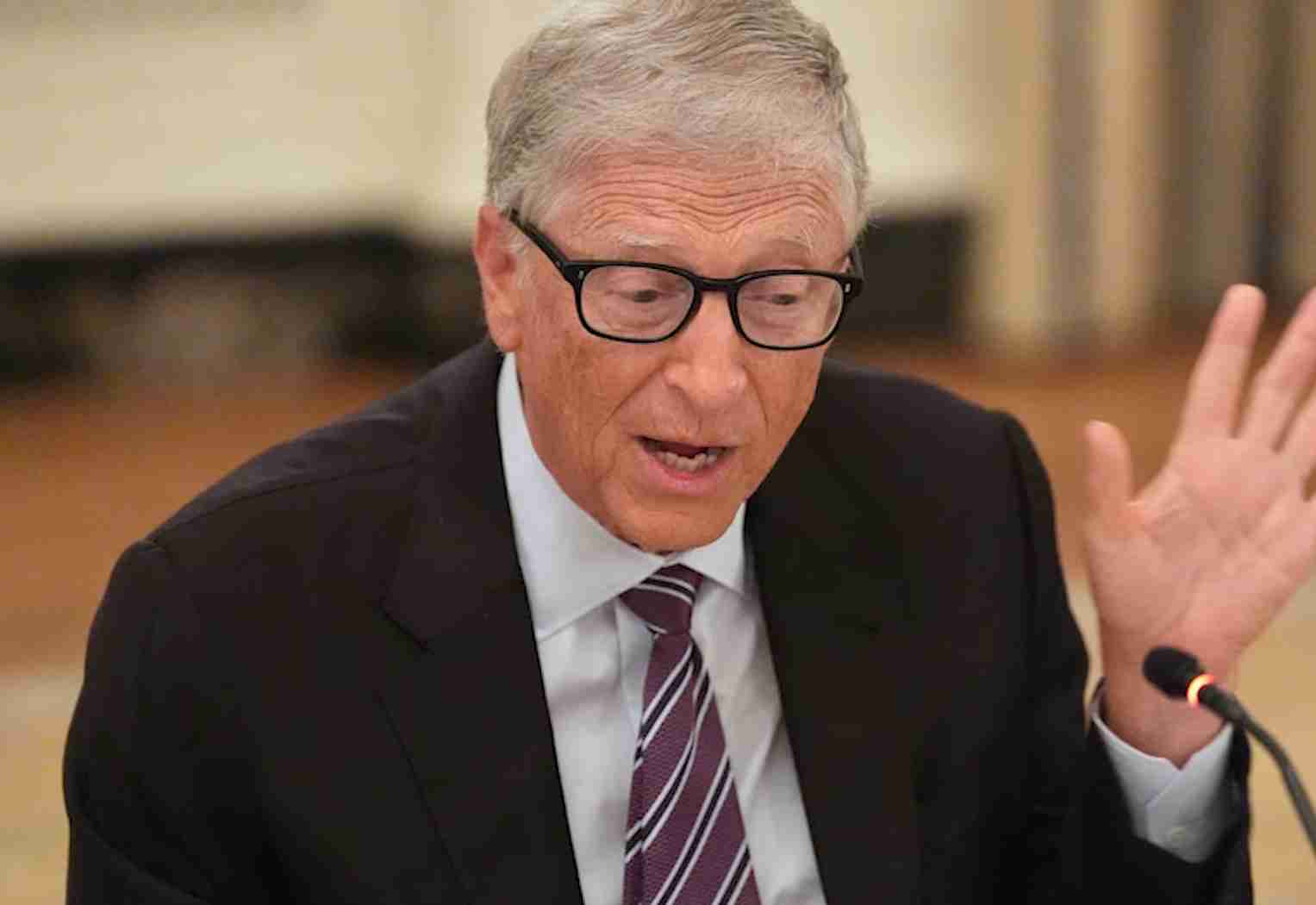
Bill Gates shifts climate strategy: Prioritizes poverty and human welfare over emissions counting ahead of COP30
Bill Gates urges climate aid to refocus on immediate poverty reduction and human welfare in the world’s most vulnerable regions, arguing limited funds should prevent suffering now while still supporting long-term emissions solutions ahead of COP30.
- Reorder priorities: Gates calls for climate policy that centers poverty reduction and human welfare, especially for low-income countries. (Source: Gates Notes)
- Immediate impact: He argues limited aid should fund health, nutrition and livelihoods where they prevent the most suffering now. (Source: Gates Notes)
- Support for innovation: Gates continues investing in long-term emissions solutions via Breakthrough Energy and backing more than 150 clean-energy startups as tools to protect the poor. (Source: Gates Notes)
- Challenge to donors: He urges leaders entering COP30 to ask whether climate finance delivers “the greatest possible impact for the most vulnerable people.” (Source: Gates Notes)
Gates’ core argument: lives before metrics
In his essay, “Three tough truths about climate,” Gates presents a pragmatic reassessment: while acknowledging global warming as a serious long-term threat, he emphasizes that poverty and disease remain the most immediate risks for billions.
Gates contends that when budgets tighten, policymakers must ensure every dollar prevents the most suffering—prioritizing interventions that improve lives now by reducing malaria, malnutrition and other urgent threats rather than focusing solely on emissions metrics.
“Aid should produce measurable human welfare gains now, even as the world pursues long-term decarbonization.”
From emissions accounting to human-centered outcomes
Gates does not dismiss emissions reductions — he writes every fraction of a degree avoided matters. Yet he urges a shift in evaluation: move beyond counting tons of carbon to counting lives saved and suffering prevented.
Under this approach, climate policies and finance should be judged by whether they:
- Strengthen health systems
- Boost nutrition
- Increase economic resilience
- Protect livelihoods in vulnerable communities
For instance, climate-smart agriculture or investments preventing disease outbreaks may deliver faster and more measurable benefits for poor populations than some forms of emissions accounting that primarily serve richer countries’ targets.
Innovation and long-term climate tools
Gates continues to back breakthrough technologies as part of a long-term decarbonization strategy. His investments through Breakthrough Energy and support for more than 150 clean-energy startups aim to reduce warming over time.
Crucially, he frames these innovations as instruments to protect vulnerable people — not ends in themselves. New technologies should be evaluated on whether they help poor communities adapt and avoid suffering while contributing to a lower-carbon future.
A pragmatic plea on COP30 climate finance
With COP30 approaching, Gates presses donors to scrutinize allocation decisions and ask whether funds achieve “the greatest possible impact for the most vulnerable people.” He calls for value-based budgeting that measures return on every dollar in terms of human welfare as well as climate outcomes.
Gates points to shrinking aid budgets and effective health programs—such as childhood vaccination initiatives—now under financial strain, arguing these realities require clearer priorities and tougher choices.
Critiques and potential controversy
Gates acknowledges he will draw criticism. Some climate advocates may view this emphasis as downplaying the urgency of decarbonization or shifting away from emissions accountability. Others will raise questions about his personal carbon footprint; Gates states he offsets his emissions but expects debate and scrutiny.
For conservative audiences, his message—“get the most value out of every dollar”—echoes concerns about effectiveness, accountability, and prioritizing tangible human outcomes in foreign assistance.
Resource scarcity and tough tradeoffs
A central driver of Gates’ shift is money: aid budgets in wealthy countries are not growing and often shrinking. That reality forces tradeoffs between investing now in life-saving health and anti-poverty programs versus prioritizing measures that may take decades to reduce risk.
Gates argues for a combined approach but with a reordered priority that emphasizes saving lives today while still supporting innovation that reduces future warming.
Implications for Utah
Economic impact
- Clean-energy opportunities: Gates’ backing of innovation via Breakthrough Energy could open funding and partnership channels for U.S. clean-tech firms, including companies in Utah’s energy and tech sectors.
- Fiscal prudence: A focus on measurable returns aligns with conservative tastes in Utah for accountability in public and private spending.
Political consequences
- COP30 and congressional interest: Utah’s federal delegation may use Gates’ framing to support targeted overseas aid and resilience programs demonstrating clear human benefits.
- Local messaging: State leaders stressing compassion and fiscal responsibility can deploy this reframing to balance humanitarian outcomes with climate commitments.
Social effects
- NGOs and faith-based outreach: Utah’s faith-based charities may increase focus on global health, nutrition and disaster resilience programs that Gates highlights.
- Community engagement: Residents may be more persuaded by life-saving interventions rather than abstract emissions targets.
Cultural relevance
Gates’ human-centered approach dovetails with many conservative and religious values in Utah that emphasize helping the poor and protecting families, potentially bridging divides between skeptics of broad climate spending and supporters of targeted humanitarian aid.
Practical applications for Utahns
- Private philanthropy: Utah philanthropists, businesses and universities can pursue partnerships funding scalable health, nutrition and resilience projects in vulnerable regions.
- State signals: While Utah does not set foreign aid policy, leaders can back research, education and private-sector initiatives that promote both innovation and measurable humanitarian outcomes.
Reporting and sources
This article is based primarily on Bill Gates’ essay, “Three tough truths about climate,” published on Gates Notes. Full text and source material are available at the linked essay.
— Times Media Service