Alaskan Climbing Star Balin Miller Dies in Fall From Yosemite’s El Capitan While Rope-Soloing
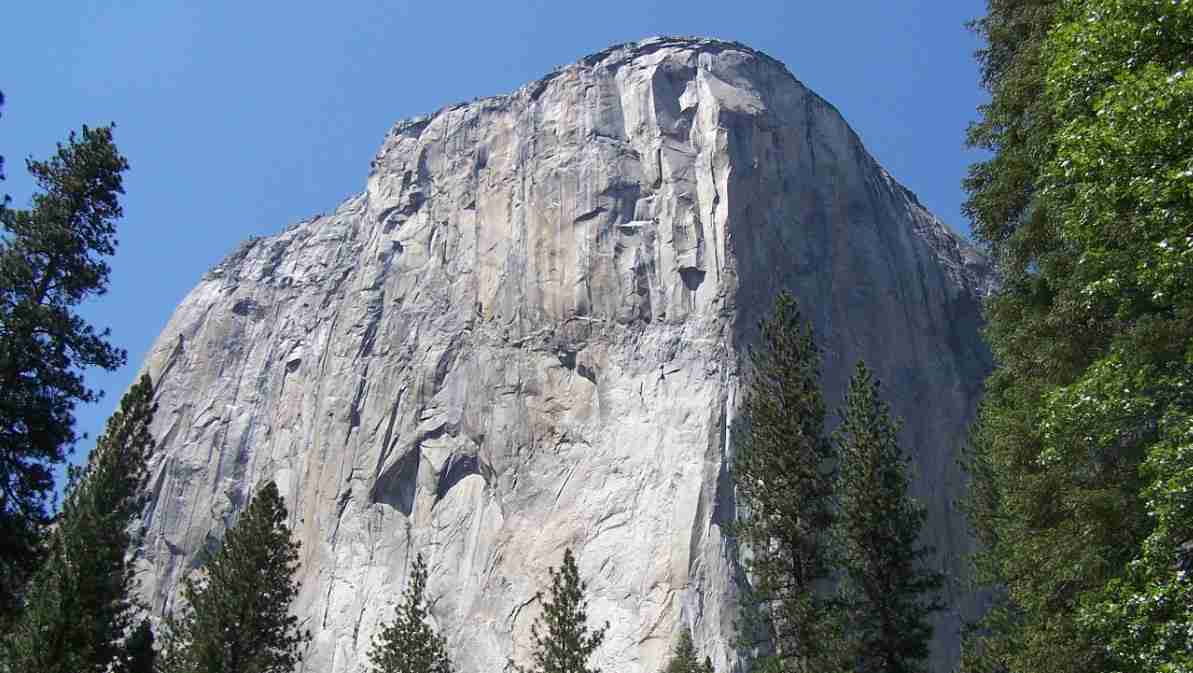
Balin Miller, a 23-year-old Alaskan alpinist, died October 1 after falling from El Capitan’s Sea of Dreams route while reportedly lead rope soloing; the National Park Service is investigating what may be at least Yosemite’s third fatality this summer.
Key takeaways
- Victim: Balin Miller, 23, an Alaskan alpinist known for technical solo climbs; reporting sourced from Climbing (https://www.climbing.com/news/alpinist-balin-miller-dies-in-yosemite/) and CBS Sacramento (https://www.cbsnews.com/sacramento/news/balin-miller-climbing-fall-from-yosemite-el-capitan/).
- Location & route: El Capitan, Sea of Dreams — roughly 2,400 feet.
- Circumstances: Reported lead rope soloing; family believes he may have rappelled off the end of his rope while hauling gear. NPS investigating.
- Context & impact: Occurred on the first day of a federal shutdown; at least the third Yosemite fatality that summer, prompting community tributes and questions about safety and services.
What happened
Sequence reported by family and preliminary sources: Investigators and family members say Miller had completed the Sea of Dreams route on El Capitan and was hauling his final gear when the fall occurred. According to his older brother, Dylan Miller, Balin most likely rappelled off the end of his rope while hauling — a scenario consistent with a miscalculation in rope length or an equipment error during descent. The National Park Service (NPS) is still determining the exact sequence and is leading the formal investigation.
Witness accounts and official reports remain limited. Park rangers and emergency personnel responded to the scene; NPS officials said they would release more information as the investigation allows. The family’s account and preliminary details reported by climbing media provide the main picture at this time.
Lead rope soloing explained
Lead rope soloing is a climbing method used by experienced climbers who move up a route alone while placing protection and using a rope to arrest a fall. It is a high-skill, high-risk technique that requires precise use of gear, anchors, and often a self-belay device. Climbers who rope-solo manage both the lead climbing and their safety systems without a partner.
Expert note: Even small mistakes during descent — while hauling gear, setting anchors or building a rappel — can be fatal because of the height and technical complexity of routes like Sea of Dreams.
Miller’s climbing background and reputation
Balin Miller grew up climbing in Alaska with his brother and father. He rose quickly in the alpinist community and gained attention for bold, solo achievements. Earlier in 2025 he completed the first solo ascent of Denali’s Slovak Direct route, a technical line he finished in 56 hours — a climb that helped establish him as a serious and skilled alpinist on the international stage.
Friends, family and fellow climbers described Miller as someone who pursued climbing for its own sake. His mother said he climbed for the “heart and soul” of the sport and did not seek fame or money. Social-media tributes noted Miller’s authenticity and his habit of sharing climbs on platforms such as TikTok; some in the climbing world remembered him as the “orange tent guy” for a distinctive base-camp setup often seen in his posts.
Yosemite safety record and recent fatalities
El Capitan is one of the world’s most famous big walls and attracts elite climbers as well as hobbyists. Its history includes many notable successes and, sadly, accidents. Miller’s death was at least the third fatality in Yosemite this summer of 2025: earlier months saw an 18-year-old die while free-soloing and a 29-year-old woman killed by a falling tree branch while hiking. These events underscore the mix of natural hazard and human risk in the park.
Federal shutdown and park operations
The incident occurred on the first day of a federal government shutdown. During the shutdown, parks remained open but some services were limited and many visitor centers closed. Officials say search-and-rescue capacity continued, but limited staffing and services can affect how information and resources flow to visitors and the public. At this stage, investigators are not tying the shutdown to the cause of the accident; they continue to examine equipment, technique and other factors.
Community response and mourning
The climbing community responded quickly on social media and in person. Climbers who followed Miller’s climbs shared memories, urged safer practices, and honored his skill and spirit. Family members described a close, mentoring relationship between the brothers; Dylan said Balin was a teacher and leader within their family despite being younger. Tributes emphasized his love for climbing rather than for attention.
Implications for Utah
Economic impact: Utah’s economy benefits from outdoor recreation. The loss of a high-profile climber like Miller brings attention to safety on big walls and may prompt more demand for professional guides and formal training programs. Local guiding businesses, climbing gyms and outdoor retailers could see increased interest in instruction, advanced rope skills courses and rescue techniques.
Political and policy consequences: The accident arrives amid public-land management debates. Utah lawmakers and residents who value access to federal lands will watch how the NPS handles investigations, staffing and safety communications during periods of federal funding uncertainty; the timing on the first day of a shutdown will likely fuel discussion about staffing priorities and search-and-rescue readiness.
Social and cultural effects: News of a Yosemite climbing fatality reverberates in Utah because many local climbers travel to national parks and take part in similar high-risk activities. Families and climbing partners may use this moment to reassess emergency plans, rope systems and rescue preparedness. Outdoor pursuits are central to many Utah communities, and Miller’s story highlights both the rewards of climbing and the consequences when equipment or technique fails.
Practical advice: Climbers and outdoor leaders should consider refreshing training in rope-solo safety, rappelling protocols, gear redundancy and hauling techniques. Trip leaders should verify rescue plans and communications, carry up-to-date emergency gear, and brief teams on descent procedures. Seeking instruction from certified guides and practicing skills in lower-risk settings can save lives.
Sources and reporting
This report draws on official statements and family accounts reported by local and climbing-focused media. Initial details are based on reporting by Climbing (https://www.climbing.com/news/alpinist-balin-miller-dies-in-yosemite/) and CBS Sacramento (https://www.cbsnews.com/sacramento/news/balin-miller-climbing-fall-from-yosemite-el-capitan/). Video coverage and family reflections are available in a YouTube video (https://www.youtube.com/watch?v=pLTNfjORirg). The National Park Service is conducting a formal investigation and will release findings when available.
Reporting will continue as the National Park Service completes its investigation into the El Capitan climbing accident. For now, Miller’s death is a stark reminder of the thin margin for error on high-end alpine climbs and the real costs that follow when those margins are exceeded.