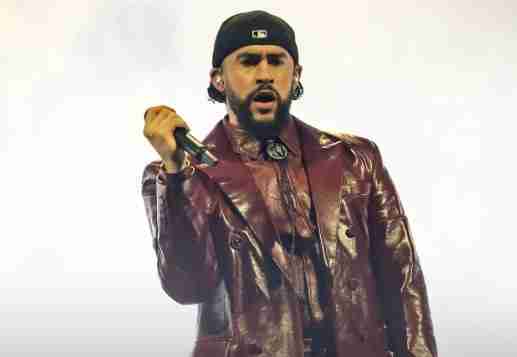
NFL Fans Threaten Bad Bunny Super Bowl Boycott After Halftime Announcement
Thousands of NFL fans, especially conservative and MAGA-aligned supporters, are publicly threatening to boycott the Super Bowl 2026 halftime show after the league named Bad Bunny as the headliner, igniting heated debates across social media and news outlets.
- first solo Latin act — Bad Bunny was announced as the 2026 Super Bowl halftime headliner.
- Strong conservative backlash — the loudest negative reaction stems from MAGA-aligned and right-leaning fans.
- Viral boycott calls and misinformation have circulated, with some claims later debunked.
- No official response yet — neither the NFL nor Bad Bunny has issued a direct statement.
Bad Bunny’s selection and why it matters
The NFL’s choice of Bad Bunny is notable: he is the first solo Latin act named to headline the Super Bowl halftime show. Supporters say the pick reflects changing music tastes and growing Latino influence in U.S. culture; critics argue the selection is political and alienates portions of the league’s traditional fan base.
Supporters call the announcement a recognition of cultural diversity and streaming-era popularity. Critics say the NFL prioritized cultural signaling and progressive alignment over neutral entertainment value.
Political backlash: what fans are saying
The fiercest backlash has emerged from far‑right voices, MAGA supporters and conservative commentators. Central criticisms point to:
- Past comments and actions on immigration and related activism.
- Bad Bunny’s reported refusal of some mainland U.S. dates over concerns about ICE enforcement, which boycott advocates cite as political activism (Times of India).
- Performing primarily in Spanish and not aligning with conservative cultural expectations.
“Some fans argue the halftime selection is a cultural and political decision, not a neutral entertainment pick.”
Arguments used by boycott advocates
Organized boycott calls center on claims that the halftime pick is politically motivated, that Bad Bunny’s past scheduling choices indicate activism, and that his music and image are out of step with traditional NFL viewership. These talking points have been amplified on social media and by conservative commentators.
Examples cited by advocates:
- Allegations the pick is a cultural signal rather than an entertainment choice (Axios).
- Reference to past date cancellations over ICE concerns (Times of India).
- Critiques of language and perceived political hostility toward MAGA viewpoints (Axios).
Social media trends and misinformation
“Boycotting Bad Bunny” trended across platforms after the announcement. The debate has been amplified by far-right influencers and viral posts that sometimes include false or misleading claims. Fact‑checkers have debunked rumors tying NFL figures to promises of action.
Notable clarifications and coverage include fact checks and regional reporting that counter viral narratives (Hindustan Times fact‑check, iNews Zoombangla).
NFL response and silence
The NFL and Bad Bunny have not released a direct response to boycott threats as of this writing. Historically, the league has often stood by entertainment choices amid controversy, allowing public debate to fill the void when no official statement is issued (Axios).
Context: halftime controversies are not new
Past halftime headliners — including Beyoncé, Kendrick Lamar, Shakira and Jennifer Lopez — have sparked debates about politics, race and immigration. Each generated criticism and support, and the Bad Bunny controversy echoes those earlier disputes over whether halftime shows should be judged purely as entertainment.
Bad Bunny’s global appeal vs. the boycott movement
Despite vocal opposition, Bad Bunny remains one of the world’s most‑streamed artists. His global popularity suggests the boycott movement represents a loud, organized slice of fandom rather than a majority of viewers; however, organized boycotts can influence advertisers and broadcast partners (Axios).
Implications for Utah
Utah could feel local effects if a substantial number of conservative fans follow through on boycott calls. The controversy intersects with the state’s conservative base and growing Hispanic communities, creating potential economic and political consequences.
Economic impact
Local bars, restaurants and venues that host watch parties may see lower turnout; advertisers and sponsors could adjust campaigns in response to changing sentiment. Retail and tourism impacts are likely limited unless the Super Bowl is hosted nearby.
Political consequences
Elected officials in Utah may be pressed to comment, especially those courting conservative voters. The controversy may be used as a talking point in local campaigns about cultural values and the role of major leagues in American life.
Social and cultural effects
Utah’s growing Hispanic communities may view the selection as recognition of cultural influence, while conservative communities may see it as misaligned with expectations for an apolitical national event — a split that could sharpen local debates.
Practical applications for everyday Utah residents
- Watch parties: Venue managers must weigh lower attendance risk against attracting younger/diverse customers.
- Advertising choices: Businesses should monitor sentiment when selecting spokespeople or music tied to promotions.
- Community events: Churches and civic groups may decide whether to focus on the game or take a public stance.
- Political engagement: Activists could use the controversy to mobilize voters and donors.