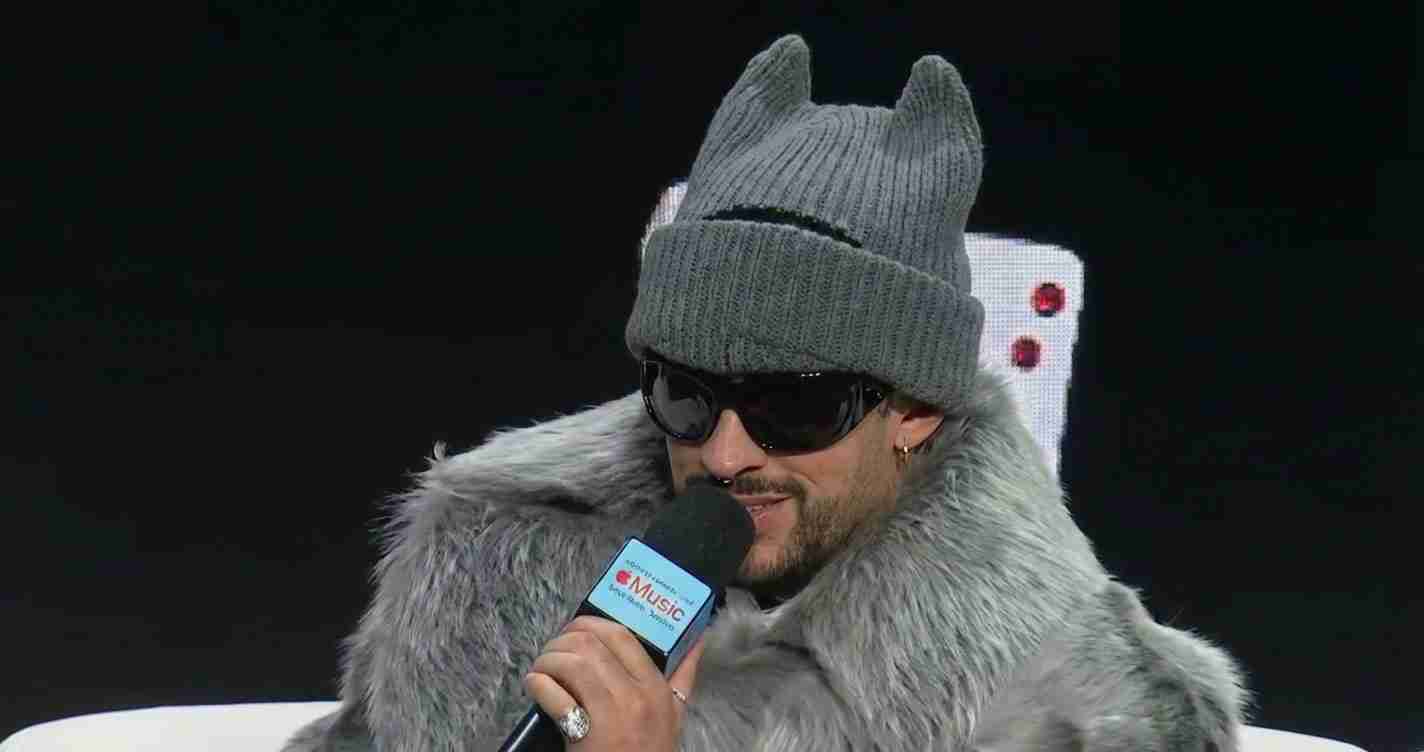
Bad Bunny wipes Instagram after divisive Super Bowl LX halftime show, sparking political backlash and rebranding questions
After his Super Bowl LX halftime show in Santa Clara on Feb. 8, 2026, Bad Bunny deleted every Instagram post, removed his profile photo and unfollowed everyone — a move prompting debate over politics, backlash and possible rebranding.
- All posts removed: The artist cleared his Instagram, left his follower count (more than 50 million) and kept a link to his Grammy-winning album.
- Split reaction: Responses to the largely Spanish, Puerto Rican-themed halftime set divided sharply along political lines.
- Motives uncertain: Observers cite either a reactive response to backlash or a deliberate pre-release/rebranding tactic.
What happened on stage
Bad Bunny’s halftime set at Levi’s Stadium mixed music with staged vignettes of Puerto Rican life — sugarcane fields, elders playing dominoes, children at parties, village homes and traditional treats. Reported songs included “Titi Me Preguntó”, and the show featured numerous guest appearances, producing a vivid, culturally focused presentation largely performed in Spanish.
Reported guests included notable names such as Cardi B, Karol G, Bruno Mars, Ricky Martin and high-profile cameo mentions like Jessica Alba, Pedro Pascal and others, with some outlets reporting a Latin-fusion moment involving Lady Gaga.
Source video and performance details are available via Video and performance details from the Super Bowl halftime show.
The immediate Instagram wipe
Hours after the Feb. 8 performance, Bad Bunny’s Instagram showed no posts, no profile image and he followed zero accounts. His follower count — more than 50 million — remained visible, and his bio contained a link to his 2025 Grammy-winning album Debí Tirar Más Fotos. Multiple outlets first noted and reported the action.
Why fans and critics are talking
Industry watchers note that wiping a social feed is a common tactic to signal reinvention or to launch a campaign. Bad Bunny has cleared content before (notably in 2022) ahead of major moves, so some interpret the timing as part of an established playbook.
Others see the timing as reactive: the halftime show drew a mixed reception that quickly became a cultural and political flashpoint, and the Instagram action came within hours of that reaction.
Political reactions: a split public square
Conservative criticism: Prominent conservatives loudly criticized the set. Former President Donald Trump posted on Truth Social that the performance was “absolutely terrible, one of the worst, EVER!” and called it “an affront to the Greatness of America,” adding that “Nobody understands a word this guy is saying, and the dancing is disgusting, especially for young children.”
“Absolutely terrible, one of the worst, EVER!” — Truth Social post by former President Donald Trump
Support and praise: Supporters and several Democrats framed the show as cultural expression and inclusion. California Gov. Gavin Newsom reportedly celebrated the performance, dubbing it “Bad Bunny Day” and calling the moment “beautiful” and representative of a diverse America.
Critics argued that a predominantly Spanish set on a major national broadcast felt exclusionary to some English-speaking viewers and questioned suitability for family audiences; supporters emphasized cultural recognition and representation instead.
No official confirmation yet
As of publication, Bad Bunny’s team has not issued an official statement explaining the Instagram wipe. That silence has intensified speculation: some link the action directly to the mixed reception of the halftime set, while others point to the artist’s social-media history and suggest a strategic reset.
Social media and the artist playbook
Deleting posts and starting fresh can create low-cost buzz and narrative control. For fans it can look like a tease; for critics it can appear evasive. In Bad Bunny’s case, performing a politically and culturally resonant set before wiping a profile complicates how the move will be interpreted.
Implications for Utah
Economic impact: Local media and advertisers
Utah broadcasters, advertisers and venues monitor national reactions to events like the Super Bowl. A divisive halftime show may shift advertising conversations and influence sponsorship choices, particularly in conservative markets. Local stations that carried the game could face advertiser questions about audience fit for future events.
Political consequences: Messaging and local politics
The national split over language and content feeds into debates resonating in Utah politics. Conservative leaders and groups may use the event to reinforce messaging about cultural values, curricula or family standards ahead of campaigns or school board discussions.
Social effects and cultural relevance
Many Utah families are attentive to national broadcast content. Criticism about language and dancing for young viewers could spur calls for parental advisories or selective viewing. Conversely, Utah’s growing Latino community may view the halftime set as meaningful recognition and celebration, prompting local conversations about representation.
Practical applications: What Utahns should watch for next
- Local media coverage: Expect Utah TV and radio outlets to follow both the social-media fallout and any official statements from Bad Bunny’s team.
- School and community discussions: Parent groups and civic organizations may reference the event when addressing media consumption and content guidelines.
- Political messaging: Watch for conservative leaders to cite the Super Bowl reaction in speeches and campaign materials.
- Business decisions: Utah advertisers may be more cautious with sponsorships tied to national entertainment that could provoke polarized responses.
Sources and further reading
This article is based on reporting from Times Media Service and the following sources:
- AOL report on Bad Bunny wiping Instagram
- Fox News coverage of the post-performance reactions and social media wipe
- Video and performance details from the Super Bowl halftime show
No official comment has been released by Bad Bunny’s representatives as of publication.