Castle Peak avalanche kills at least eight in Sierra Nevada; investigators probe decision to proceed amid warnings
Eight backcountry skiers died Feb. 17, 2026, near Castle Peak in California’s Sierra Nevada after a massive avalanche struck a guided group from Blackbird Mountain Guides; investigators are probing why the trip proceeded amid official avalanche advisories and warnings.
- Fatalities and response: Eight bodies recovered; one person remains unaccounted for and presumed dead; six survivors rescued roughly six hours after the slide.
- Group composition: 15 people on the trip — 11 participants and four guides from Blackbird Mountain Guides; three guides among the dead or presumed dead.
- Warnings under review: The Sierra Avalanche Center issued a watch at 6:49 a.m. Sunday and later upgraded to a warning; investigators will examine whether guides had updated advisories.
- Broader implications: The disaster raises questions about commercial guiding decisions, industry standards, and community preparedness across the Intermountain West.
The event: what happened
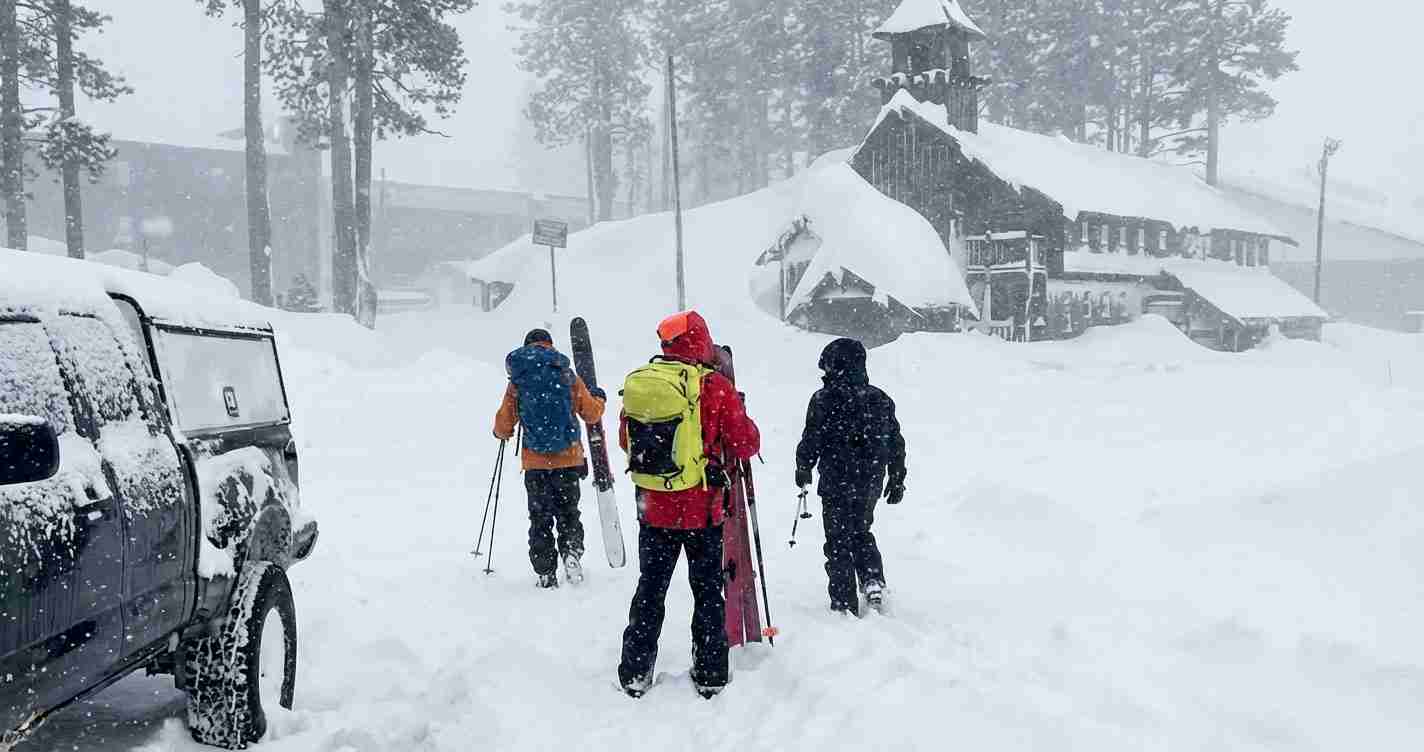
On Feb. 17, 2026, the group was finishing a planned three-day backcountry ski trek to the Frog Lake huts when a large slide swept them early Tuesday morning near Castle Peak, northwest of Lake Tahoe. Capt. Russell “Rusty” Greene of the Nevada County sheriff’s office said someone yelled “Avalanche!” but the slide overtook the party quickly, leaving little time to react.
Officials and witnesses described the avalanche as roughly the size of a football field, carrying skiers down a steep run as a powerful winter storm hammered the region.
Casualties, rescue and recovery
Rescuers confronted heavy snow and high winds. Teams including Nevada County Search and Rescue and Tahoe Nordic Search and Rescue reached the scene in hazardous conditions. Six people — four men and two women, including one guide and two members of the friend group — were located and pulled from the debris about six hours after the slide and taken to safety.
As weather and terrain continued to impede operations, authorities shifted from search-and-rescue to a recovery mission; crews ultimately recovered eight bodies and one person remained unaccounted for and presumed dead.
“The slide moved very quickly,” Capt. Russell “Rusty” Greene said, underscoring how little time the group had to react.
Who was on the trip
The excursion included 15 people: 11 participants — eight of them close friends — and four guides working for Truckee-based Blackbird Mountain Guides. Families publicly identified six women from the friend group as among the dead or presumed dead: Carrie Atkin, Liz Clabaugh, Danielle Keatley, Kate Morse, Caroline Sekar and Kate Vitt.
Blackbird Mountain Guides said its guides were certified by the American Mountain Guides Association and trained through the American Institute for Avalanche Research and Education. Three of the four guides are among the dead or presumed dead.
Investigation: warnings, decisions and accountability
Investigators are focused on whether the group proceeded despite official avalanche advisories. The Sierra Avalanche Center placed the area on an avalanche watch at 6:49 a.m. Sunday and later upgraded that watch to a warning — a higher alert indicating avalanches were expected. Authorities will determine if guides received the updated information before leaving or whether conditions changed rapidly in the field.
Nevada County Sheriff Shannan Moon said investigators will review the decision to proceed in light of forecasts and warnings. Blackbird Mountain Guides founder Zeb Blais asked the public not to rush to judgment while authorities examine the facts. Officials will consider pre-trip planning, communication chains, terrain selection, and real-time hazard recognition in assessing accountability.
Community response and privacy
Local communities and families have been devastated. Several victims had ties to Sugar Bowl Academy, a Donner Summit boarding school and ski program; school officials acknowledged connections but did not release names. Relatives and friends have asked for privacy as they grieve and make funeral arrangements.
Families publicly thanked rescuers and urged restraint from speculation while investigations continue.
Safety context: guides, training and gear
The guides were reportedly certified and the group carried avalanche safety equipment, but even training and gear can be overwhelmed by large, fast-moving slides during a major storm. The incident raises industry questions: when to cancel trips during prolonged storm cycles, how to communicate evolving forecasts to clients, and whether additional local oversight or consistent standards are needed for commercial guiding operations in high-risk periods.
Deadliest U.S. avalanche — how this ranks
Officials and commentators have called the Castle Peak slide one of the deadliest U.S. avalanches in nearly 50 years. The combination of multiple guides and clients among the dead and the impact on tight-knit communities places this disaster among the most severe recent backcountry incidents in the contiguous United States, renewing attention to forecasting, guiding practices and rescue resources.
Implications for Utah
Economic: Utah’s winter economy — reliant on skiing, guiding, and backcountry tourism — could see altered booking patterns and a shift toward more cautious consumer behavior.
Political: Utah leaders who favor local control may face pressure to consider whether voluntary standards are sufficient for commercial guides operating in avalanche-prone terrain, potentially prompting measures that encourage standardized reporting, pre-trip hazard briefings, or incentives for additional training.
Social and cultural: The tragedy underscores the human cost of backcountry risk and will likely prompt community calls for improved preparedness, decision-making protocols, and clearer communication of advisories. For many Utah residents, emphasis will be on personal preparedness, operator accountability, and the role of private organizations in maintaining safety standards.
Practical actions for Utah skiers and guides include checking local and regional avalanche advisories, ensuring every trip has a clear pre-trip hazard review, carrying and practicing with beacon/probe/shovel, and considering canceling outings when warnings are in effect.
Reporting and next steps
Investigators will continue to reconstruct the timeline of warnings, communications and on-the-ground decisions that led to the Castle Peak disaster. Officials plan interviews, log reviews and scene analysis to determine whether legal or administrative actions are warranted. Families have asked for privacy as they mourn and make arrangements.