Disney’s Star Wars Strategy Falters: Lucasfilm Acquisition Impact Leaves Fans Cold as Franchise Faces Decline
Disney’s 2012 acquisition of Lucasfilm promised a booming Star Wars era, but after initial success with The Force Awakens, mixed reviews, box-office shortfalls and streaming unevenness have eroded fan enthusiasm and cultural momentum across markets.
- Big buy, big promise: Disney paid $4.05 billion for Lucasfilm and pledged an expanded, frequent-release Star Wars slate.
- Early highs, later doubts: The Force Awakens was a major hit, but several films and series since have split critics and audiences.
- Brand fatigue: Declining pre-sale and tracking indicators suggest waning fan trust and lower event-like turnout for new releases.
- Local stakes: Utah theaters, retailers and policymakers face economic and political consequences if the franchise’s pull continues to weaken.
Acquisition and early promise
Disney bought Lucasfilm and its franchises, including Star Wars and Indiana Jones, on Oct. 30, 2012 for $4.05 billion (about half cash, half stock). See Cartoon Brew coverage and the Lucasfilm page for transaction details.
Disney and then‑Lucasfilm leadership, led by Kathleen Kennedy’s StarWars.com release, promised frequent releases: core saga films alongside side stories and streaming series. The plan aimed to leverage Disney’s scale to keep Star Wars in the cultural spotlight.
“The Force Awakens proved the model could work, reigniting mainstream interest and generating enormous ticket sales worldwide.”
The Force Awakens delivered huge box office returns in 2015; see Box Office Mojo data for figures and context.
Box office swings and critical reception
After the opening surge, the franchise’s return on goodwill began to wobble. Some projects earned praise—Rogue One and the first season of The Mandalorian showed the franchise could still produce tightly plotted, character-driven hits.
However, several theatrical entries met resistance. The Last Jedi and The Rise of Skywalker split audiences and drew heavy online criticism. Solo: A Star Wars Story underperformed—opening to about $84 million domestically and finishing near $392 million worldwide (see Solo box office).
Streaming results have been mixed: Andor received widespread praise, while other series have struggled to meet viewer expectations or were curtailed after short runs (see The Acolyte for context).
Brand erosion and audience apathy
What changed: the franchise lost much of its automatic goodwill. Where audiences once treated every new Star Wars release as a cultural event, many now approach new titles with skepticism or apathy.
Industry trackers point to measurable signals: softer opening tracking, muted social buzz, and lower pre-sales compared with earlier eras. For Disney, this is both a creative and financial problem—investment in sequels, spin-offs and streaming programs depends on consumer trust that consistent quality will follow.
The Mandalorian and Grogu: a test for the brand
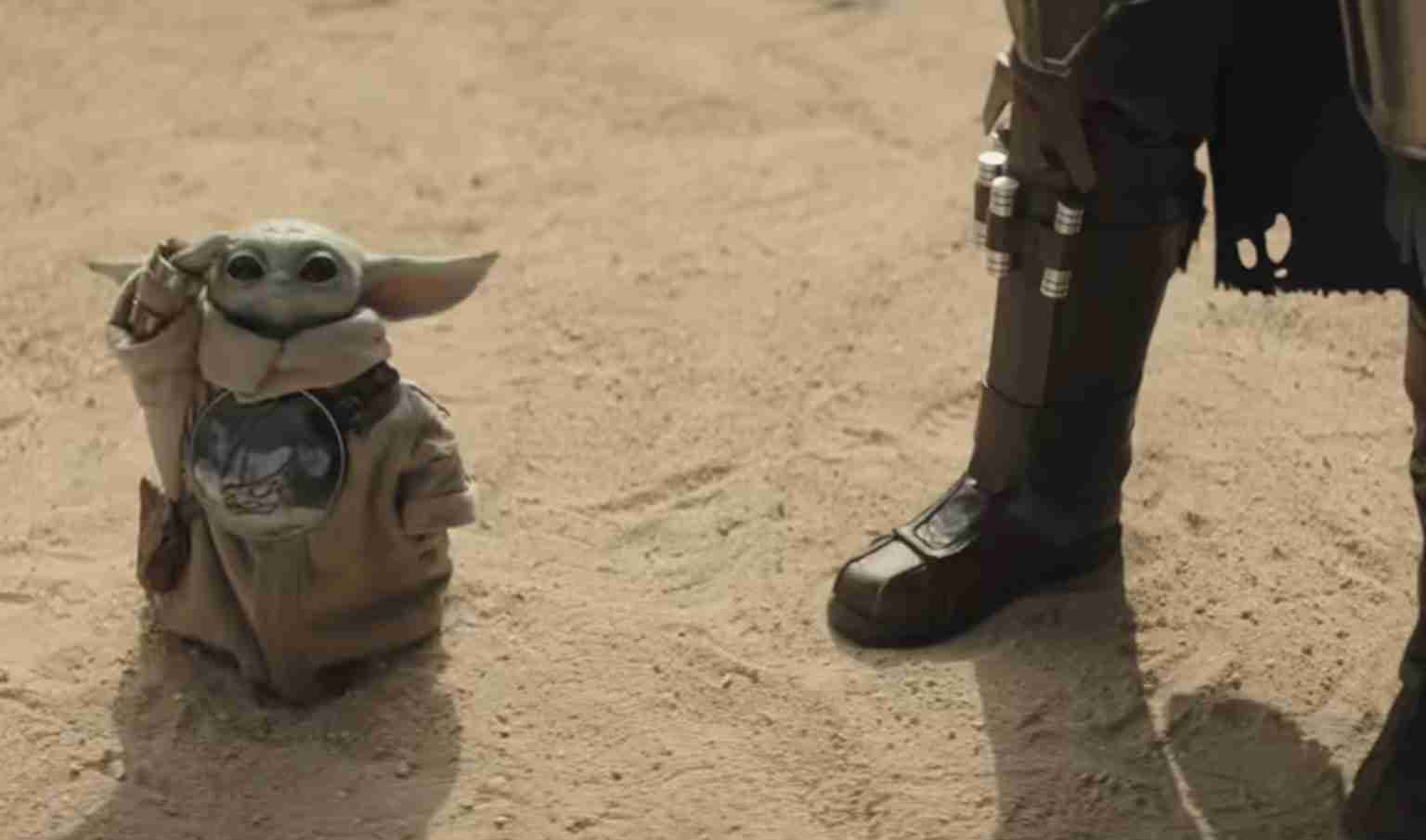
The upcoming theatrical The Mandalorian and Grogu release (Jon Favreau‑led) will be the first major Star Wars film in theaters since 2019. The franchise’s streaming hits—especially the The Mandalorian TV series and the Grogu character—were cultural moments on Disney+. Translating that to reliable box office is not guaranteed.
How this film performs will influence Disney’s strategy on theatrical versus streaming-first launches and shape decisions about the studio’s future tentpole approach.
Implications for Utah
Economic impact
Local theaters—from Salt Lake City multiplexes to rural screens—benefit from tentpole films. A softened Star Wars brand risks lower foot traffic during what used to be guaranteed high‑revenue release windows. Merchandise sales tied to new films and shows could decline, affecting toy stores, pop culture retailers and online sellers in Utah.
Utah’s film production and services sector also benefits when studios pursue wide theatrical distribution and large shoots; uncertain returns on franchise titles could make studios more cautious about location-based productions that create local jobs.
Political consequences
Lawmakers who back film incentives may see fewer productions claiming tax credits if studios cut theatrical budgets or pivot to lower-cost streaming projects. For conservative constituents focused on efficient use of taxpayer dollars, reduced economic splash could prompt renewed scrutiny of incentive programs.
Cultural debates can also intensify: perceptions that franchises are influenced by studio politics or cultural agendas may fuel calls for greater accountability around public funding for entertainment projects.
Social and cultural effects
Star Wars historically provided family entertainment and shared cultural moments across generations. Lower interest means fewer of those occasions, and fewer draws for fan conventions, panels, and cosplay events—impacts felt by local hospitality and event organizers.
Practical applications for Utah residents
- Theater owners and small businesses: Track early ticketing and local pre-sales for The Mandalorian and Grogu; consider promotions, discounted family nights, or themed events to boost attendance.
- Policymakers: Monitor film-driven tourism and retail metrics; insist on clear performance metrics and contingency protections in incentive programs.
- Conservative families and organizers: Diversify programming with local arts, faith-based films and regional festivals if Star Wars no longer functions as a reliable family entertainment anchor.
Conclusion
This spring’s theatrical test and the months that follow will reveal whether Disney can rebuild trust and restore Star Wars as a reliable tentpole—or whether uneven releases, creative discord and audience apathy will continue to weigh on the franchise’s cultural and economic impact.
Source attribution and key references
- Disney acquisition announcement (Cartoon Brew)
- Lucasfilm page (Wikipedia)
- Disney’s initial slate and Kathleen Kennedy’s leadership (StarWars.com)
- The Force Awakens box office data (Box Office Mojo)
- Solo box office results (Box Office Mojo)
- The Last Jedi (Wikipedia)
- The Rise of Skywalker (Wikipedia)
- Rogue One (Wikipedia)
- Andor (Wikipedia)
- The Mandalorian (Wikipedia)
- The Acolyte (Wikipedia)