Inside Little Mogadishu: Minnesota’s Somali Community Faces Fraud Claims and Political Fire
Cedar‑Riverside’s Somali-American enclave, known as Little Mogadishu, mixes visible cultural vibrancy with scrutiny over childcare and immigration fraud claims — and political battles tied to Rep. Ilhan Omar that shape daily life and public perception.
- Community life: Cedar‑Riverside features mosques, Somali-language businesses and community hubs, reflecting deep social and religious roots.
- Fraud investigations: A subset of childcare and benefits cases prompted prosecutions and oversight, but investigators stress individuals—not whole communities—were implicated.
- Political impact: National attacks, including claims about Rep. Ilhan Omar, have amplified stigma and influenced how residents experience civic life.
- Lessons for other states: Utah policymakers can balance stronger program oversight with integration supports like job training and language services.
Cedar‑Riverside: place and people
Cedar–Riverside, just south of downtown Minneapolis, has been a gateway neighborhood for successive immigrant waves. Once a hub for Scandinavian settlers and later students and artists, it became home to many Somali refugees beginning in the 1990s, earning the nickname Little Mogadishu. Riverside Plaza, a 1970s apartment complex, looms over the area as a symbol of the neighborhood’s evolving fortunes. (Sources: WHMI, Wikipedia entry)
Work, faith and the path to integration
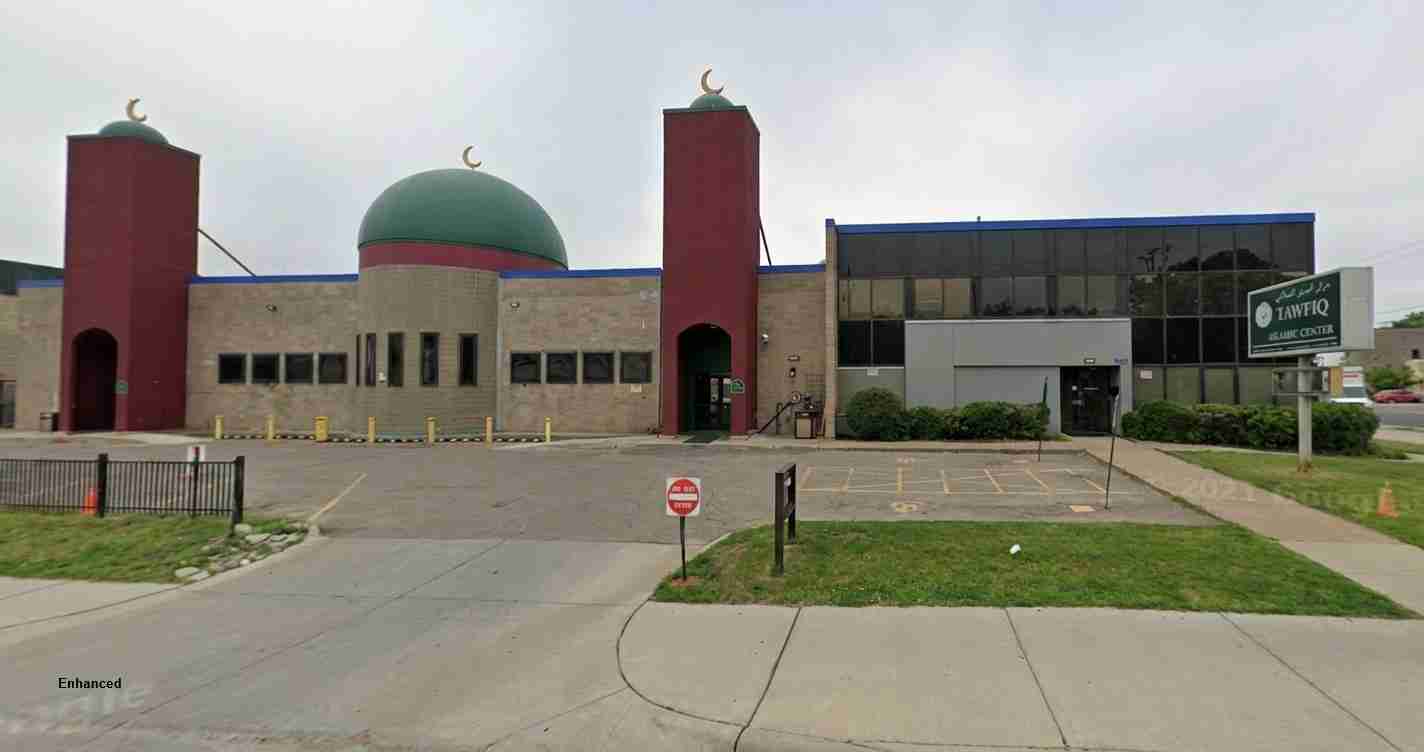
Residents and advocates describe steady civic participation: many Somali Americans work in restaurants, nursing homes, trucking, factories and other trades. Small centers like Karmel Mall serve as business and social hubs. Mosques and community centers anchor life and reflect institutional roots as some faith communities repurpose local buildings.
Generational differences matter: older residents sometimes rely on tight family networks and limited English, while younger Somali Americans blend cultures, use social media, and engage politically.
The fraud cloud: what is known and what is not
Media coverage has highlighted investigations into Minnesota childcare assistance and related benefits programs. Some daycare providers were accused of claiming subsidies for children not in care or billing improperly — leading to charges, program changes, and increased oversight in the late 2010s.
Conservative outlets have often connected these cases to Somali-owned businesses, contributing to a broader perception problem. Officials and community leaders emphasize that only a subset of providers and individuals were implicated, not the community as a whole. Public records confirm fraud occurred in some instances, but each case was handled individually by investigators and judges.
“We feel stigmatized when a few cases become the story about everyone,” residents told reporters, describing a sense of being watched.
Fox News Digital framed the neighborhood as “under a cloud” of allegations in its reporting; that frame sits alongside local voices who stress daily work and civic contribution. (Reporting referenced by WHMI and the Fox News Digital package.)
Political attacks and the Omar controversy
National figures, including former President Donald Trump, publicized allegations about immigration misuse and amplified claims involving Rep. Ilhan Omar. Omar has denied accusations about an immigration marriage scheme; multiple major outlets and fact-checkers have found no conclusive public evidence of immigration fraud in her case. The controversy illustrates how local facts can be swept into national partisan fights and how rhetoric can affect everyday life in Cedar‑Riverside.
At the same time, Somali-origin elected officials like Rep. Omar and other local officeholders are active participants in civic life, shaping policy on immigration, policing, and services that reflect their constituencies.
Perception versus lived reality
The reporting highlights a gap between surface impressions and interior life. Some storefronts appear boarded or empty, and visitors may see quiet streets — yet mosques, apartments and malls host prayer, business and political organizing. Residents say headlines focused on fraud and cultural difference drive harassment of visible Muslims, even as real challenges persist: poverty, crowded housing, language barriers, and limited job pathways.
Politics on the ground
Cedar‑Riverside and the wider Somali community have become an organized political force: yard signs, turnout, and the election of Somali-origin candidates show engagement. That political energy also makes the neighborhood a focal point in national debates over immigration and multiculturalism, producing both civic gains and heightened scrutiny.
Implications for Utah
Economic impact: Utah policymakers should watch Minnesota’s experience for lessons on refugee resettlement and fiscal oversight. Fraud by a few providers can impose costs and erode public trust; audits and faster fraud detection protect program integrity while preserving support for vulnerable families.
Political consequences: Local immigrant communities can become national flashpoints. Utah leaders who emphasize assimilation and rule of law may push for clearer standards in sponsorship and benefits programs while ensuring fair legal process.
Social effects & cultural relevance: Rapid demographic change can strain local norms; pragmatic responses include language programs, job training, faith-based partnerships, and civic engagement efforts that encourage both cultural preservation and assimilation.
Practical applications: Strengthen front-line oversight of childcare subsidies, tighten record-keeping, expedite prosecutions when warranted, and invest in job programs, English instruction, and community policing. Faith communities and civic groups should partner to guide newcomers toward steady work and civic life.
Sources and further reading
- Fox News Digital video package: “Inside Little Mogadishu”
- WHMI report summarizing Fox’s on-the-ground reporting
- Cedar–Riverside, Minneapolis background: Wikipedia entry
Reporting compiled from Fox News Digital and local summaries; on-the-ground quotes and visuals referenced from the Fox package and related coverage.