Minnesota Reports Largest U.S. Outbreak of TMVII — A Sexually Transmitted Ringworm Strain Causing Painful Rashes
Minnesota is reporting the nation’s largest known outbreak of TMVII, a sexually transmitted Trichophyton mentagrophytes genotype VII fungus that produces painful, persistent ringworm-like rashes; more than 30 cases have been identified in the Twin Cities since July 2025.
- Emerging outbreak: Over 30 confirmed or suspected TMVII cases reported in the Twin Cities since July 2025 — identified through enhanced surveillance and clinical reporting.
- Treatment guidance: Clinicians are advised to start oral terbinafine on clinical suspicion (6–8 weeks typical; up to 12 weeks if needed); topical corticosteroids can worsen the infection.
- Transmission & prevention: TMVII spreads via skin-to-skin contact (including sexual contact) and via contaminated clothing or linens; avoid sex while symptomatic and launder items in hot water.
What is TMVII?
TMVII — Trichophyton mentagrophytes genotype VII — is a dermatophyte fungus that causes ringworm-like skin infections. Despite the name “ringworm,” these lesions are fungal, not parasitic. This genotype has been linked to infections transmitted through sexual contact and often produces more painful, persistent lesions in genital and nearby areas than typical athlete’s foot or jock itch. (Sources: NBC Montana, CBS News, Star Tribune.)
Outbreak timeline and distribution
First U.S. reports: The earliest identified U.S. case of genital TMVII was reported in New York City in June 2024. Minnesota confirmed its first local case in July 2025 after a patient presented with a genital rash. In the weeks following, state officials documented an additional 13 confirmed cases and dozens of suspected cases in the Twin Cities area, bringing totals to more than 30.
Health authorities have also noted scattered detections in other U.S. cities, and the Center for Infectious Disease Research and Policy (CIDRAP) and national outlets have summarized multiple-location detections and ongoing surveillance. (Sources: NBC Montana, CBS News, Star Tribune, CIDRAP.)
Public health response
Minnesota health officials implemented enhanced surveillance after several patients sought care and provided contact information for others who might be infected. Clinicians are asked to collect skin scrapings, submit isolates to the public health laboratory for confirmatory testing, and report all suspected and confirmed cases to the Minnesota Department of Health. The emphasis is on identification, timely treatment, and partner notification to limit further spread. (Source: NBC Montana.)
Symptoms and clinical presentation
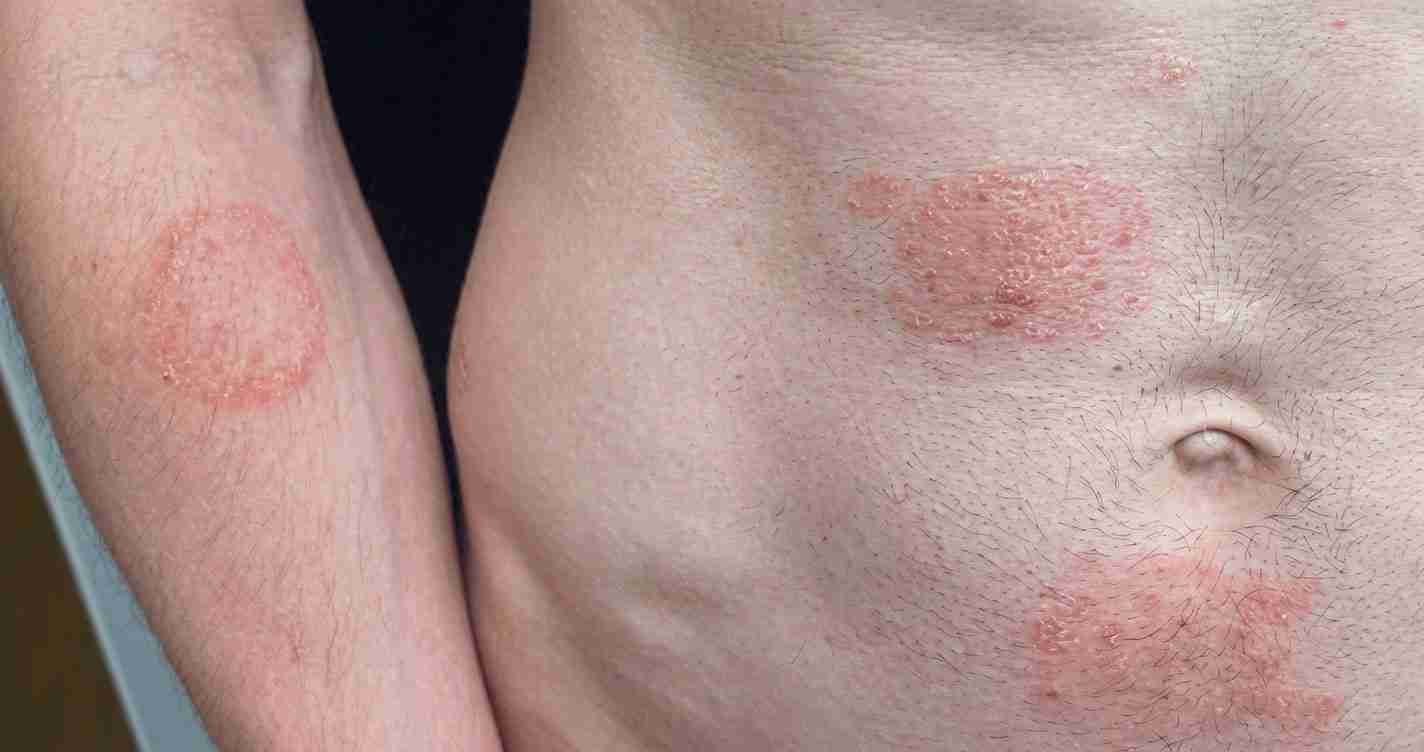
Typical presentation: Round, red, irritated rashes that may be itchy, painful, and persistent. Lesions have most often appeared on the genitals, perianal area, buttocks, thighs and sometimes the abdomen. Because appearances can mimic eczema or psoriasis, correct diagnosis may be delayed unless clinicians consider TMVII and order fungal testing and sequencing.
Providers are urged to take detailed sexual histories when patients present with genital or nearby lesions to identify possible exposures. (Sources: NBC Montana, Star Tribune.)
Treatment guidance
Minnesota health officials advise clinicians to begin oral terbinafine when TMVII is suspected rather than waiting for laboratory confirmation. Typical courses last six to eight weeks, though stubborn cases may require up to 12 weeks. Importantly, topical corticosteroids — commonly used for eczema — can worsen fungal infections and should be avoided for suspected TMVII.
Providers should collect samples for fungal culture and forward isolates for confirmatory DNA sequencing to public health laboratories. (Sources: NBC Montana, Star Tribune.)
Prevention and management for patients
- Avoid sexual and close skin contact while symptoms persist.
- Do not share clothing, towels, or personal items.
- Wash bedding and clothing in hot water to kill fungal spores.
- Notify recent sexual partners so they can seek evaluation and treatment if necessary.
These practical steps are intended to protect partners and reduce community spread without heavy-handed mandates. (Sources: NBC Montana, Star Tribune.)
Who is most affected?
Reporting indicates the outbreak has been most common among men who have sex with men, matching patterns seen in earlier outbreaks internationally. Nevertheless, TMVII transmits by direct skin contact and is not confined to any single group. Clear communication and targeted outreach can help interrupt transmission within affected networks. (Sources: CBS News, Star Tribune.)
Investigative questions for public health and clinicians
- Are clinical and public health labs prepared to identify and sequence dermatophyte isolates quickly?
- Are providers taking sexual histories and initiating empiric oral terbinafine when appropriate?
- Is partner notification and targeted outreach being used effectively to halt transmission networks?
Answering these practical questions will determine whether the outbreak remains localized or spreads further.
Implications for Utah
Economic impact: To date, TMVII primarily increases clinical workload rather than causing major economic disruption. If cases rise regionally, outpatient clinics, urgent-care centers, and dermatology practices could face higher demand for testing and longer treatment courses. Utah health systems and pharmacies should review supplies of oral terbinafine and ensure multi-week prescriptions can be filled.
Political consequences: For conservative communities in Utah that emphasize personal responsibility and limited government, TMVII highlights the effectiveness of focused public health measures — testing, treatment, partner notification — instead of broad mandates. Local leaders can prioritize clinician education, voluntary reporting, and partner notification while avoiding policies that might stigmatize patients.
Social effects: Because TMVII is associated with sexual transmission, outreach must avoid stigma. Utah public health messages should stress that the fungus spreads by skin contact and is treatable, encouraging discreet, prompt care-seeking by affected individuals. Faith and community organizations can promote responsible behavior without moralizing medical needs.
Cultural relevance: Messaging that frames prevention as protecting loved ones and community — emphasizing privacy, prompt treatment, and practical steps (hot-water laundering, avoiding sex while symptomatic) — is likely to increase uptake in Utah.
Practical applications for residents and clinicians in Utah
- Clinicians: Add TMVII to the differential for genital or nearby rashes, collect skin scrapings for fungal culture, consider empiric oral terbinafine when risk factors or symptoms fit, and report suspected cases to local public health.
- Patients: Seek prompt evaluation for round, red, itchy or painful rashes in the genital, buttock, thigh or abdominal areas; avoid sexual and close skin contact until cleared; launder clothing and linens on hot cycles; do not use topical corticosteroids on unexplained rashes; notify recent partners.
- Health systems and pharmacies: Review antifungal inventories (notably terbinafine), educate frontline staff about recognizing symptoms and referral pathways, and ensure access to timely appointments for symptomatic patients.
Sources and reporting
This article draws on reporting and advisories compiled by Minnesota health officials and national outlets. Links to those sources are listed below for reference (preserved exactly):
“Timely, targeted action — not alarm — is the practical path forward: identify cases early, begin recommended oral antifungal therapy, and notify partners to limit spread without heavy-handed interventions.”
Questions for public health officials: Are labs and providers prepared to detect and respond quickly? Is partner notification being used effectively? The answers will shape whether TMVII remains contained or spreads more widely.