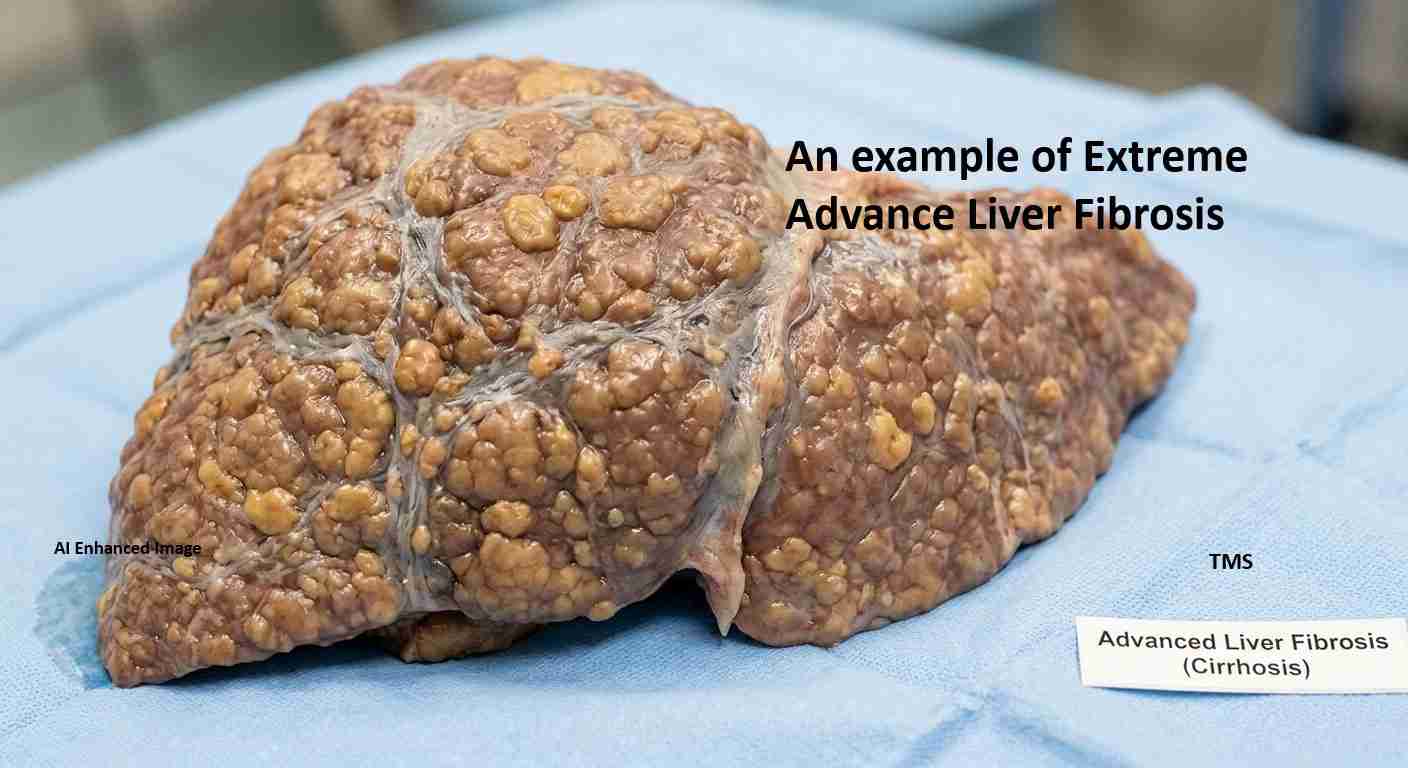
Even occasional binge drinking — just once a month — may triple liver fibrosis risk for people with fatty liver disease, USC study finds
A USC study found occasional heavy drinking — bingeing once a month — may triple the odds of advanced liver fibrosis in adults with Metabolic Dysfunction‑Associated Steatotic Liver Disease (MASLD), after analyzing more than 8,000 U.S. adults.
- Pattern over amount: episodic heavy drinking (four+ drinks for women, five+ for men, at least monthly) was linked to ~3× higher odds of advanced fibrosis versus spreading the same alcohol over time — source: Keck Medicine of USC press release.
- Who binge-drinks more: Younger adults and men were more likely to report episodic heavy drinking; over half of participants reported some episodic heavy drinking and ~16% of those with MASLD binged at least monthly.
- Clinical implication: For people with MASLD, how alcohol is consumed matters — big single-session drinking episodes accelerate inflammation and scarring.
Study details: what researchers did and found
What the team analyzed: Hepatologist Brian P. Lee, MD, and colleagues examined six years of National Health and Nutrition Examination Survey (NHANES) data (2017–2023) covering more than 8,000 U.S. adults to compare drinking patterns rather than only total intake. Their findings are summarized in a press release from Keck Medicine of USC and reported in the journal Clinical Gastroenterology and Hepatology.
Key measurement: Occasional heavy drinking was defined as ≥4 drinks in a day for women and ≥5 for men, occurring at least once per month. The primary outcome was signs consistent with advanced liver fibrosis among adults who had MASLD.
“The pattern matters very much … episodic heavy drinking is incredibly common.” — Brian P. Lee, MD (Keck Medicine of USC)
The main result: people with MASLD who reported occasional heavy drinking had nearly three times the odds of advanced fibrosis compared with people who drank the same total alcohol spread across time. The association strengthened with higher drinks per session.
Why the pattern of drinking matters
Medical research shows that consuming large amounts of alcohol in short periods can overwhelm liver defenses, triggering intense inflammation and cellular injury. In the setting of existing fatty liver (MASLD), those episodic insults can accelerate scarring. Animal and human studies point to mechanisms such as oxidative stress, inflammatory activation, and fibrogenic signaling that promote extracellular matrix deposition and fibrosis.
See supporting work such as the UCSF study on binge drinking and liver damage (2017) and reviews like review on mechanisms linking binge drinking and liver injury and systematic review on alcohol and cirrhosis risk.
Study limitations and cautions
- The analysis is observational: it identifies associations but cannot prove causation.
- Alcohol use was self-reported and may be underreported or misremembered.
- Findings specifically apply to people with MASLD and may not generalize to those without fatty liver disease.
- Authors emphasize the result targets harmful drinking patterns, not moderate alcohol use in general.
How this fits with other evidence
Other studies support that binge or episodic heavy drinking compounds liver injury in the context of fatty liver. Animal models show repeated binge exposures lead quickly to fatty change, inflammation, and enzyme elevations, while human data and reviews indicate binge drinking promotes oxidative stress and fibrotic pathways that worsen outcomes.
For accessible summaries and coverage see the SciTechDaily coverage and the Keck Medicine of USC press release. A concise video summary is available from USC short video on the study.
Implications for Utah
For Utah policymakers, employers, clinicians and community leaders, the study suggests practical prevention opportunities:
- Economic impact: Reducing episodic heavy drinking among Utahns with MASLD could lower hospitalizations, costly treatments (including transplants), and productivity losses.
- Health system planning: Primary care and liver clinics should screen for MASLD and ask about drinking patterns, not just weekly totals; early referral to lifestyle and alcohol counseling may slow progression.
- Targeted outreach: Younger adults and men were likelier to binge in the study; tailored messages for college students, younger workers, and male-dominated workplaces can be effective.
- Community responses: Faith-based programs, employers, and clinics can deploy brief interventions, workplace wellness incentives, and private-sector supports that align with conservative community preferences.
What people can do now
- Know your risk: If you have obesity, diabetes, high blood pressure, or high cholesterol, ask your clinician about MASLD and liver testing.
- Watch patterns: Avoid episodic heavy drinking — even one heavy-drinking day a month can raise the risk of advanced fibrosis if you have MASLD.
- Seek help: If cutting back is difficult, talk to your primary care provider, counselor, or local support group; early medical and lifestyle steps can slow or stop disease progression.
- Employer action: Employers can add liver-health education to wellness plans, offer screening, and connect employees to alcohol-use resources.
Sources and further reading
- Keck Medicine of USC press release: “Occasional heavy drinking may triple the risk of liver damage”
- USC short video on the study
- SciTechDaily coverage
- UCSF study on binge drinking and liver damage (2017)
- Review on mechanisms linking binge drinking and liver injury
- Systematic review on alcohol and cirrhosis risk