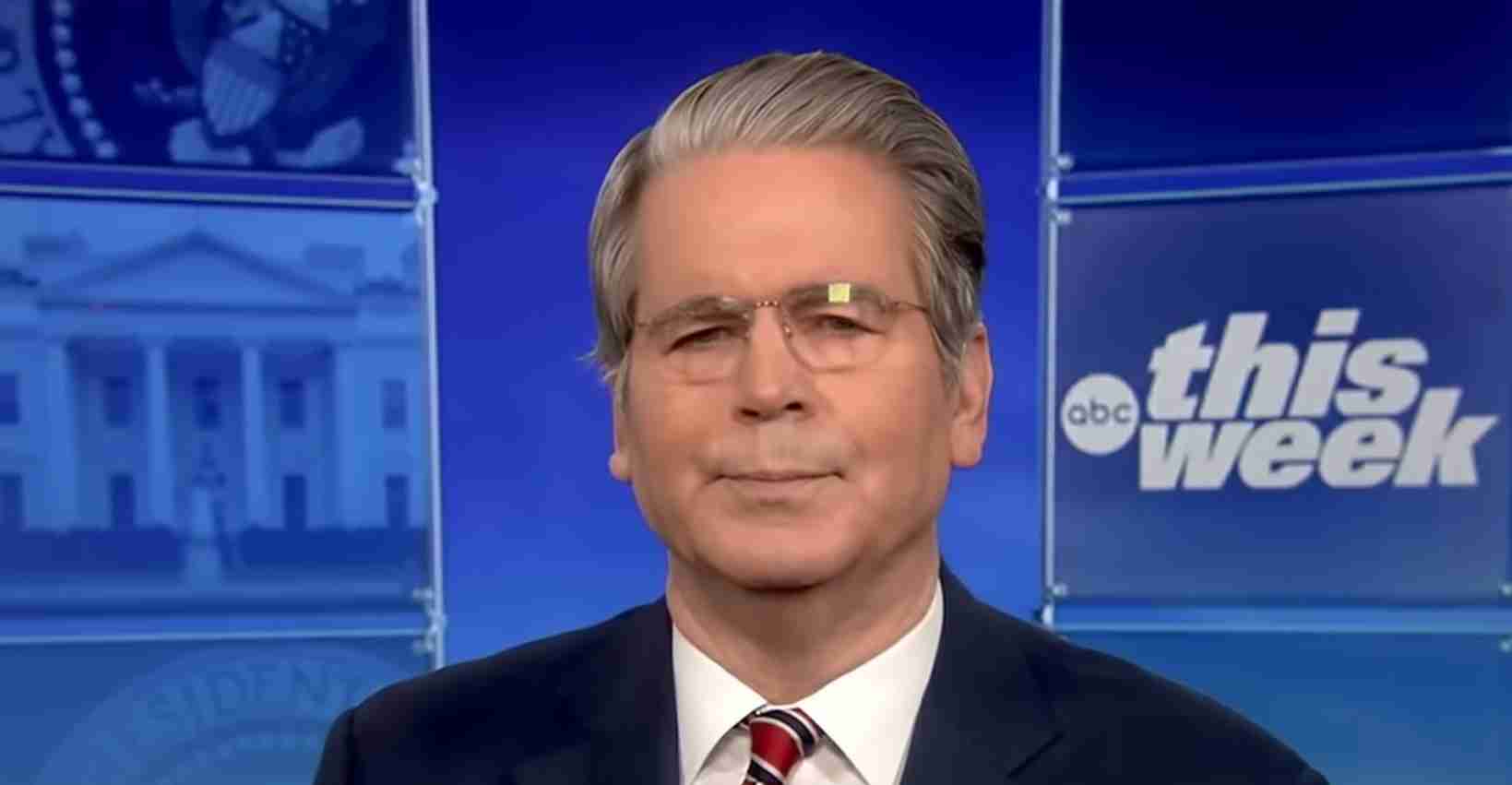
Bessent Confronts Stephanopoulos Over 1995 ‘Terrorists’ Rhetoric During This Week Interview
On Sunday on ABC’s This Week, Treasury Secretary Scott Bessent confronted host George Stephanopoulos about 1990s remarks allegedly calling Republicans “terrorists” during the 1995 shutdown, prompting heated on-air interruptions and renewed scrutiny of past media-political tactics.
- On-air confrontation: Bessent pressed Stephanopoulos about 1990s comments alleging Democrats characterized Republicans as “terrorists” during the 1995-96 shutdowns.
- Key exchange: Stephanopoulos tried to steer to present policy; Bessent replied, “I’ve got all your quotes here, George,” escalating interruptions.
- Historical context: Stephanopoulos served as a senior Clinton advisor during the shutdowns and has since described aggressive messaging that framed Republican tactics as coercive.
- Local impact: Utah officials and residents may see economic and political fallout tied to how shutdown blame and messaging play out nationally.
Exchange on This Week: What transpired and why it matters
The segment began as a policy debate over responsibility in the current shutdown. Stephanopoulos questioned the Biden administration and suggested ending the filibuster as a remedy; Bessent redirected to Stephanopoulos’s 1990s role and alleged rhetoric from the 1995 standoff.
On air, Stephanopoulos said:
“I can disagree with you about the history there, but we don’t have a history lesson right now.”
Bessent interrupted: “No, no, no. George, George, George… If you want, I’ve got all your quotes here. I got all your quotes here, George.” The exchange quickly escalated into sustained interruptions and an emotionally charged back-and-forth.
Stephanopoulos’s past comments and context
George Stephanopoulos, who served as a senior advisor in the Clinton White House during the 1995-96 shutdowns, has since described the administration’s communications strategy as aimed at shifting public opinion by portraying Republican tactics as a form of political coercion. In later interviews and writings he characterized the framing as showing Republicans “blackmailing” the country and referred to language that conservative outlets now cite as describing them as “basically terrorists.”
Bessent’s confrontation and the specifics cited
Bessent’s approach was direct and accusatory. He named Stephanopoulos’s Clinton-era role and pointed to later public remarks as evidence of hypocrisy when Stephanopoulos critiques similar GOP tactics today. Conservatives seized on those lines as proof of a hardline rhetorical strategy; mainstream outlets placed the moment within a broader debate about responsibility for shutdowns and media accountability.
Media reaction and partisan framing
Conservative outlets emphasized the confrontation as evidence Stephanopoulos’s past rhetoric undermines his current critiques, calling attention to the on-air shouting and labeling it a “shouting match.” Mainstream and liberal outlets framed the moment as part of an ongoing argument over who bears responsibility for shutdowns and whether former political aides turned journalists should be pressed about past strategies.
Why the 1995 shutdown matters now
The 1995-96 shutdowns are a touchstone: a high-profile clash between President Bill Clinton and the Republican-controlled Congress led by Speaker Newt Gingrich. The standoffs affected federal workers and services and reshaped messaging strategies used by both parties. When media figures recount or acknowledge those tactics, critics interpret such comments as tactical admissions; supporters view them as contextual explanations.
Implications for Utah
Economic impact: Utah relies on federal funding for public lands, defense contracts, and federal employee pay. A prolonged shutdown can delay payments, slow permit approvals for energy and public lands projects, and ripple through tourism and defense contracting.
Political consequences: In a strongly conservative state like Utah, local GOP leaders and media may use the Bessent–Stephanopoulos exchange to argue national media and Democratic advisors display a double standard, potentially energizing voters and shaping future budget fight strategies.
Social and cultural effects: Public frustration often grows when federal services are disrupted. Utah residents who rely on national parks, federal programs, or veterans services may feel tangible effects; the national television clash could deepen distrust of Washington messaging and increase calls for practical solutions.
Practical applications for Utah residents
- Watch funding timelines: State agencies dependent on federal grants should monitor whether programs pause or slow during a shutdown.
- Contact representatives: Utahns concerned about impacts can press U.S. senators and their representative to protect local interests.
- Follow local media: Conservative outlets in Utah are likely to reuse this confrontation; residents should monitor state reporting for local angles.
Source notes and further reading
This report draws on multiple accounts of the interview and historical context. For original reporting and coverage, see: