Student Arrested After Antisemitic Slur, Coins Thrown at Dave Portnoy During Mississippi State Pizza Review
A Mississippi State student was arrested after interrupting Barstool Sports founder Dave Portnoy’s live pizza review in Starkville, shouting an antisemitic slur and throwing coins; the episode was recorded and circulated online, prompting police action.
- Who: Patrick McClintock, 20, identified as a Mississippi State student and described in reports as a now-former student.
- What: McClintock shouted the slur “F— the Jews” and tossed coins at Portnoy during a live One Bite pizza review video.
- Charge: Arrested on a misdemeanor disturbing-the-peace charge; investigators are reviewing possible hate-crime enhancements.
The incident on video
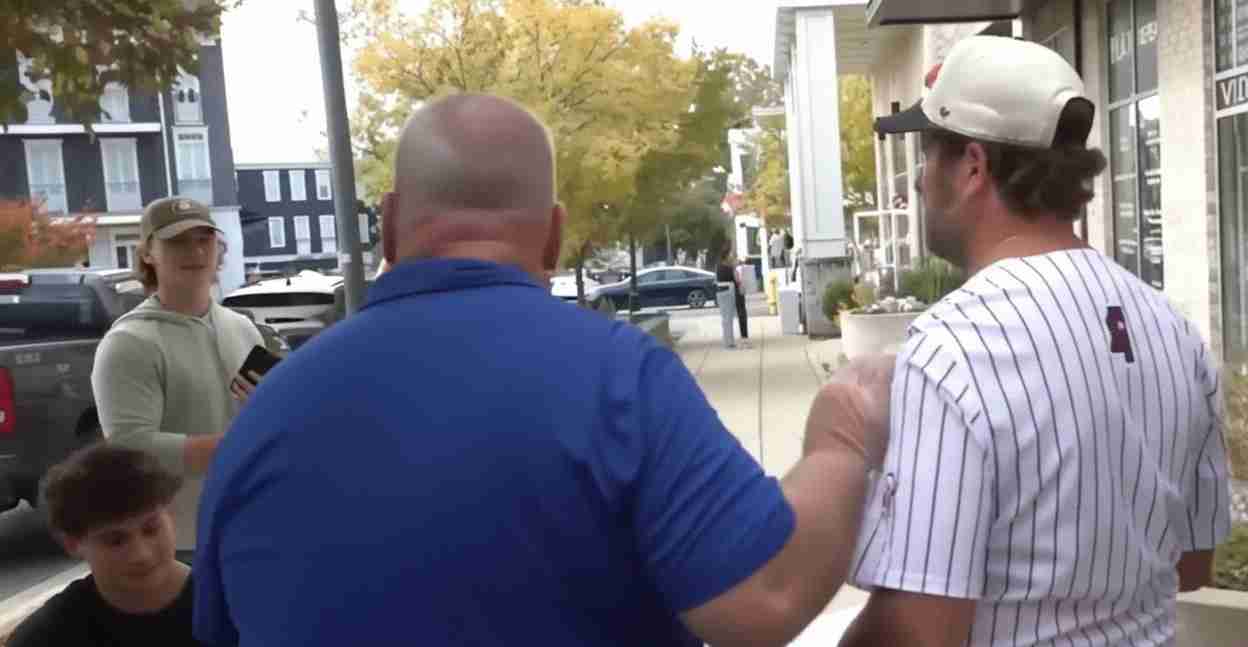
Raw footage shows Portnoy filming outside a restaurant near Mississippi State University when a man walked into frame, shouted the antisemitic remark and threw coins toward Portnoy. Portnoy and his security team did not engage physically; bystanders reacted with visible shock as the review was interrupted.
The episode was recorded and widely shared on social platforms, accelerating public attention and prompting a law enforcement response. The footage is available via the YouTube video posted and circulated online.
Arrest and potential legal outcomes
Starkville police arrested Patrick McClintock, 20, on a misdemeanor charge of disturbing the peace, citing actions that disrupted a public event and posed a safety risk. Officials said investigators continue to review the case to determine whether the actions were motivated by bias and whether enhanced penalties under Mississippi’s hate-crime laws should apply. No physical injuries were reported, and Portnoy’s crew left the scene without further incident.
Local reporting on the arrest and the disturbing-the-peace charge is available from the Clarion Ledger, and police comments and Portnoy’s reaction have been covered by CBS News.
University response and student status
Local reporting indicates McClintock has withdrawn from Mississippi State University following the controversy. University officials have not publicly clarified whether the withdrawal was voluntary or the product of administrative action. Campus leaders typically balance protecting students and institutional reputation with ensuring due process under student conduct procedures.
Social media, identification and public reaction
The rapid circulation of the video on social platforms facilitated fast identification of the man involved. Users flagged footage and community members assisted investigators and reporters in confirming identity — illustrating how social media now plays a central role in documenting incidents that might once have remained local.
Public reaction included broad condemnation of the slur and debate over how to handle offensive speech in public spaces.
Dave Portnoy’s response and broader context
Portnoy publicly condemned the incident and said antisemitic attacks seem to be on the rise, highlighting broader national trends and data from organizations that track hate incidents and extremist activity. As a national media figure, Portnoy’s profile amplified attention on the episode and focused scrutiny on campus speech and public-safety responses.
Antisemitic attacks appear to be on the rise, Portnoy said in public comments reported by national outlets.
Free speech and the law
Legal experts emphasized to reporters that while offensive speech is often protected under the First Amendment, protection is not absolute. When speech disrupts a public event, creates safety risks, or crosses into targeted harassment or threats, criminal charges can follow. The Starkville case highlights that balance as authorities weigh free-expression protections against community safety.
Coverage and legal analysis of the situation are documented by CBS News and the Clarion Ledger.
Campus safety, discipline and due process
Incidents like this force universities to navigate competing priorities: protecting students and campus communities, enforcing codes of conduct, and preserving academic freedom and free speech. Administrators must decide on potential disciplinary measures such as suspension or expulsion while respecting students’ procedural rights. The reported withdrawal of McClintock suggests an administrative and reputational response, though details on disciplinary pathways remain unclear.
Implications for Utah
Economic impact: Utah businesses and tourism areas, including downtown districts near college campuses, monitor high-profile incidents closely. Viral episodes tying a university town to intolerance can affect student recruitment and local commerce.
Political consequences: Conservative Utah leaders often stress law and order, campus safety and free expression; this episode may reinforce calls for clearer campus policies and tougher enforcement when speech crosses into disruptive conduct.
Social effects: Utah communities value civility and religious tolerance. The slur in Starkville could prompt local faith and civic leaders to reaffirm interfaith commitments and expand education on hate speech and reporting mechanisms.
Practical actions: Utah universities and law enforcement can review protest and free-speech policies, update campus security plans for visiting media or high-profile guests, and promote reporting options for bias incidents.
Reporting and sources
This article draws on local and national reporting and the video posted to social media. Key sources include CBS News, the widely shared YouTube video, and reporting by the Clarion Ledger.
Investigations remain ongoing
Starkville police said they continue to review the incident to determine whether hate-crime enhancements apply. Journalists and officials are seeking clarity on the exact campus disciplinary steps taken by Mississippi State University and whether additional legal charges will follow.