Mikie Sherrill Wins New Jersey Governor’s Race in Landslide, Carries Morris County for First Time Since 1973
Rep. Mikie Sherrill (D) secured a historic victory in the 2025 New Jersey gubernatorial election, winning roughly 61% to 38% over Jack Ciattarelli and flipping Morris County — the first Democratic gubernatorial win there since 1973.
- Winner: Mikie Sherrill (D); Opponent: Jack Ciattarelli (R)
- Vote share: Sherrill 61%, Ciattarelli 38%; Vote margin: ~207,000 votes
- Projected by: Decision Desk HQ and The Associated Press
- Historical note: First Democratic win in Morris County since Brendan Byrne in 1973
Victory speech and immediate aftermath
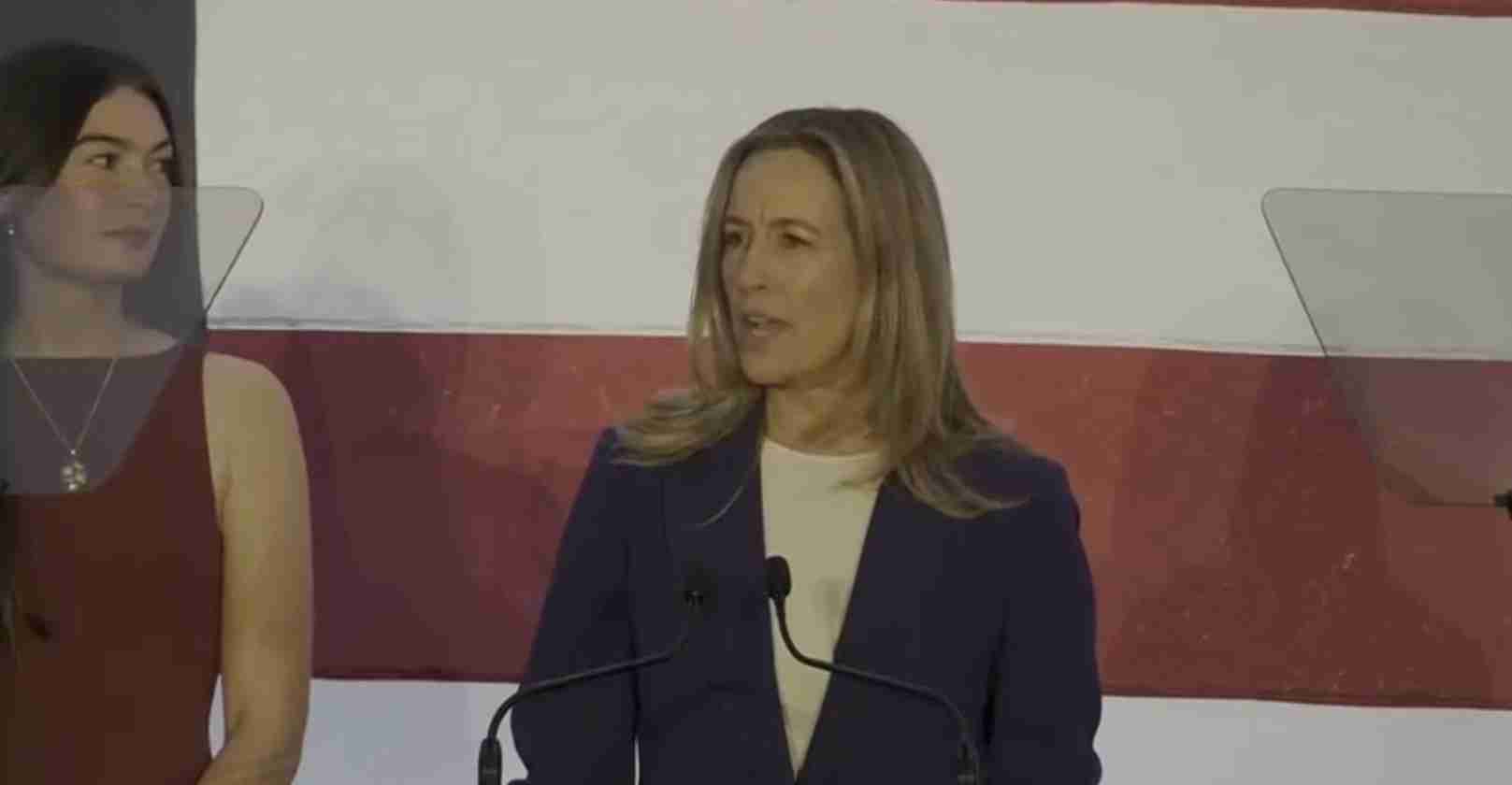
East Brunswick, Nov. 4, 2025 — Rep. Mikie Sherrill addressed a cheering crowd in East Brunswick after media projections called the race. She thanked supporters, family and her campaign team and emphasized unity and a forward-looking agenda focused on education, health care and job growth.
On election night, projections from Decision Desk HQ and The Associated Press showed a decisive lead for Sherrill, prompting broad coverage and immediate post-election analysis from both parties.
Election results and numbers
Official and media-tabulated totals show Sherrill with roughly 61% of the vote to Ciattarelli’s 38%, a gap near 23 percentage points and about 207,000 more votes statewide. Those night-of totals combine certified county returns and media tabulations; the New Jersey Division of Elections will certify final statewide totals in the coming days.
A standout result: suburban Morris County voted for a Democratic gubernatorial candidate for the first time since Brendan Byrne in 1973 — a county-level flip that will shape post-election analysis of suburban voting behavior.
Primary fights and ticket building
Sherrill emerged from a competitive Democratic primary, receiving about 286,244 votes (34.02%) of the Democratic primary total. Other primary figures included Ras Baraka (20.67%), Steven Fulop (15.99%), Josh Gottheimer (11.57%), Sean Spiller (10.63%) and Stephen Sweeney (7.11%). Total Democratic primary turnout was reported at 841,435 votes. (Source: New Jersey Division of Elections.)
Sherrill’s running mate is Dale Caldwell, president of Centenary University and a former New Brunswick school board member; his education background was emphasized across the campaign.
What the results mean in New Jersey
Sherrill’s win represents both continuity for Democrats after term-limited Gov. Phil Murphy and a broader electoral shift given the margin and geographic breadth of support. The scale of victory suggests Democratic messaging on education investment, health care access and economic development resonated with a wide cross-section of voters.
The Morris County flip highlights changing suburban dynamics: demographic shifts, local concerns about property taxes and schools, and Sherrill’s appeals to suburban moderates likely combined to produce the county-level swing.
Sources and verification
This article synthesizes projections and reporting from Decision Desk HQ and The Associated Press, uses official vote tallies and primary results from the New Jersey Division of Elections, and draws biographical/context material from Centenary University and parent reporting from Times Media Service.
Investigative analysis: why Sherrill won
1) Candidate profile and suburban appeal
Sherrill’s background as a U.S. representative and her pragmatic, moderate positioning helped her connect with suburban voters. Emphasis on practical, “kitchen-table” issues — schools, health care affordability and economic growth — appealed to swing and independent voters.
2) Republican strategy and turnout
Jack Ciattarelli had statewide name recognition but his campaign struggled to expand suburban reach. Analysts point to a mix of insufficient GOP turnout and successful Democratic persuasion as drivers of the large margin.
3) National environment and timing
This was New Jersey’s first statewide election after the start of President Trump’s second term. While national currents influenced messaging, Sherrill’s focus on state-level problem solving appears to have resonated, reducing the race’s tether to national polarization.
4) Demographic shifts
Long-term demographic changes in counties like Morris — higher education levels, commuter patterns and new housing — have altered the political map and opened opportunities for Democrats in previously reliable Republican suburbs.
Implications for Utah
Economic impact: Direct ties between New Jersey policy and Utah are limited, but national economic policy and corporate decisions could affect multistate businesses and supply chains.
Political consequences: The Morris County flip is a cautionary signal for Republicans about suburban voters; Utah GOP strategists should reassess outreach on education, taxes and housing.
Social and cultural effects: Sherrill’s focus on education and health care may influence messaging elsewhere; suburban voters increasingly prioritize tangible policy outcomes over party loyalty.
Practical applications:
- Campaigns: invest in targeted suburban outreach and messaging on local priorities.
- Policymakers: highlight measurable policy results to persuade skeptical suburban constituents.
- What to watch: county-level analyses and turnout models from races like this ahead of 2026.
Reporting and attribution
This report relies on projections and reporting from Decision Desk HQ and The Associated Press, official tallies from the New Jersey Division of Elections, and biographical details from Centenary University. Parent publication: Times Media Service.
Substantive developments ahead
Sherrill will be sworn in on Jan. 20, 2026. Early policy decisions on education, health care and economic development will test whether campaign promises translate into measurable outcomes — developments that political operatives nationwide, including in Utah, will watch closely.
“We must focus on improving education, strengthening health care and promoting job growth,” Sherrill told supporters, underscoring the priorities that defined her campaign.
Sources: Decision Desk HQ; The Associated Press; New Jersey Division of Elections; Centenary University; Times Media Service.