OFAC Sends Written Inquiry to CodePink Over Cuba Convoy as White House Tightens Scrutiny of Nonprofits
OFAC has sent a formal written inquiry to CodePink over its March 2026 “Nuestra América Convoy” to Cuba, seeking detailed financial and logistical records as the Trump administration intensifies scrutiny of nonprofits’ Cuba-related activities and compliance with sanctions.
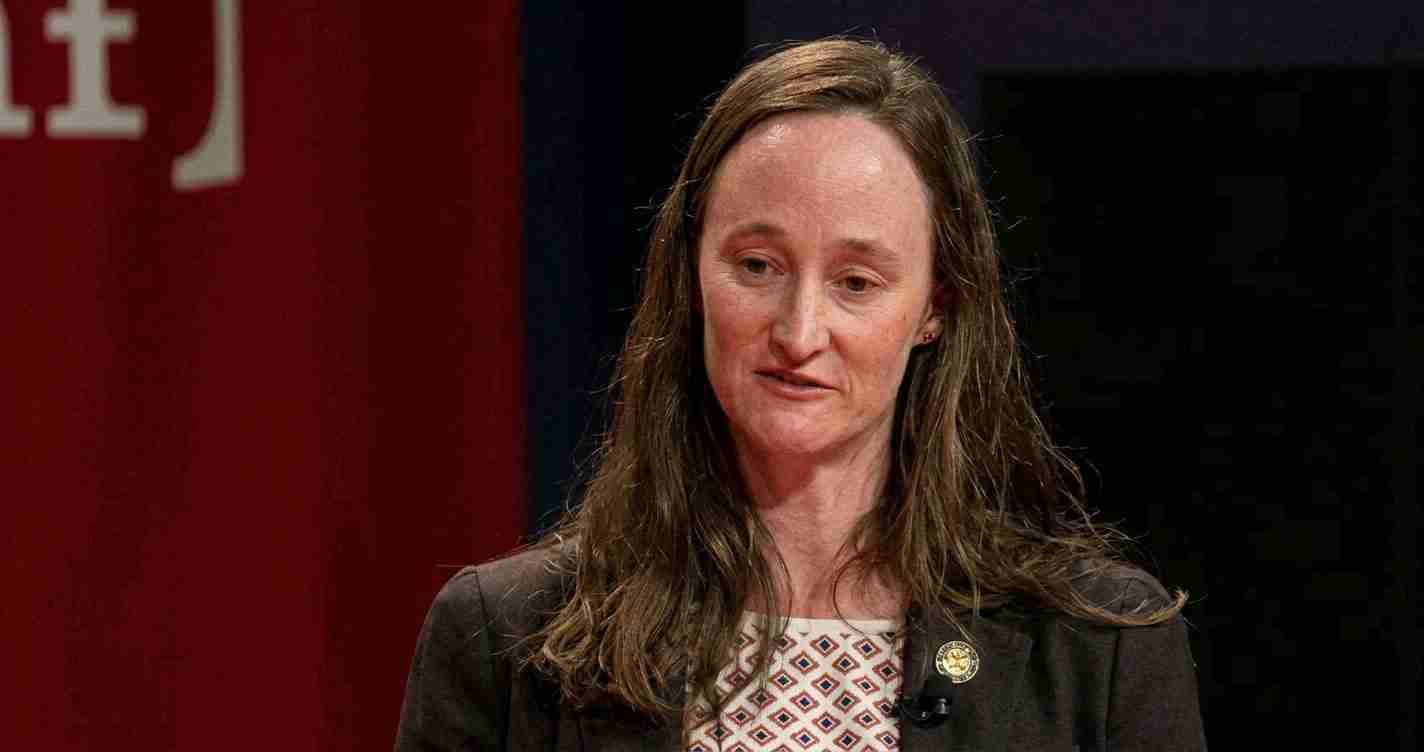
- OFAC inquiry: CodePink co-founder Medea Benjamin confirmed a formal written request from Fox News regarding the March convoy.
- Records sought: The request reportedly asks for travel routes, lodging, hour-by-hour activities, participant lists and financial and communications records tied to the convoy.
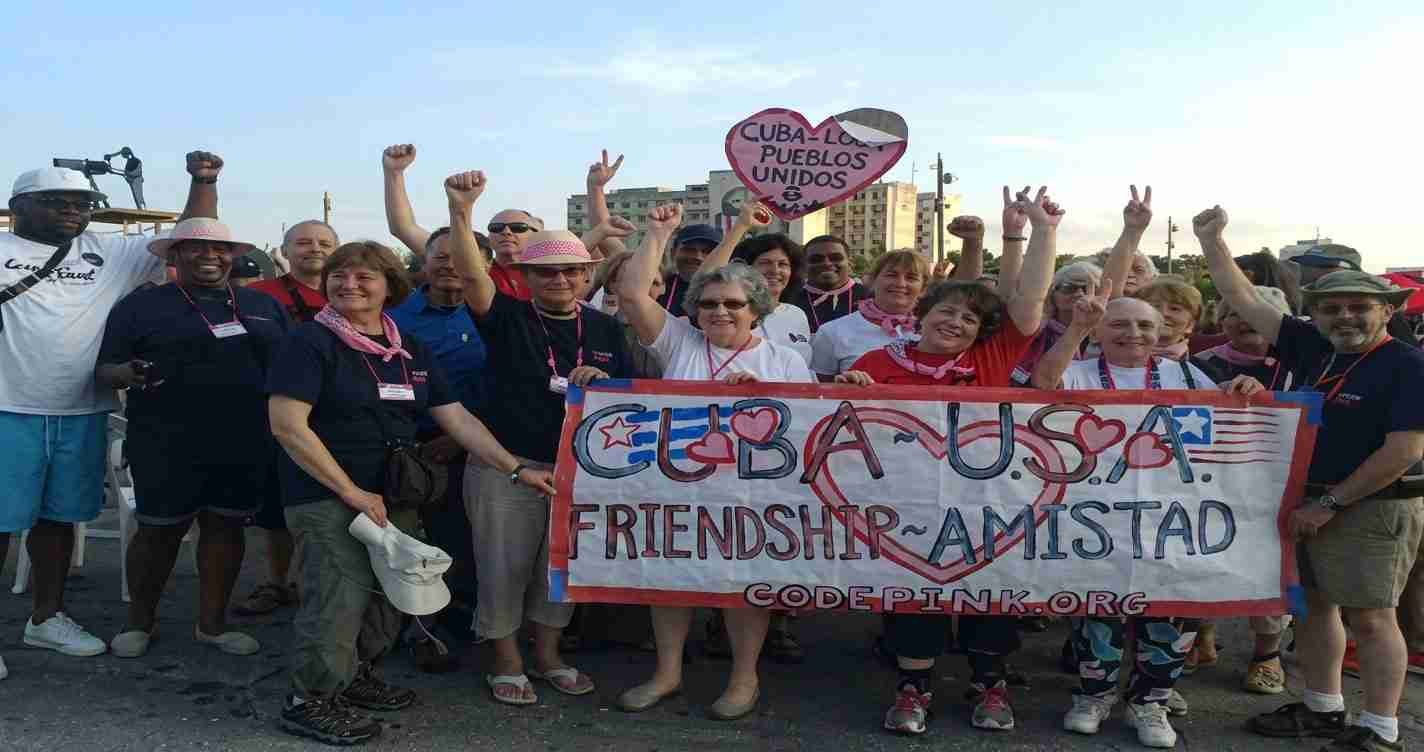
- Scale: Organizers say the convoy carried roughly $600,000 in humanitarian supplies and included about 170 U.S. participants among several hundred international delegates.
- Policy context: The inquiry comes amid a broader Trump administration push to increase enforcement and grant oversight for nonprofits, per reporting and comments from Treasury officials.
What Benjamin says she received
Medea Benjamin publicly discussed the OFAC request in a video promoted by BreakThrough News, saying the group discovered a formal letter from OFAC after a Fox News Digital report. Benjamin said an email to co-founder Jodie Evans landed in a spam folder, delaying awareness of the inquiry.
According to Benjamin’s account, OFAC posed roughly a dozen detailed questions covering travel routes to Cuba, lodging, hour-by-hour activity on the island, participant lists, and the movement and use of humanitarian supplies. Benjamin described the level of detail as “serious” and suggested the request could have an intimidation effect on Americans who travel to Cuba for solidarity or aid work. See Fox News for the original account.
Scope of the convoy and records sought
Organizers say the convoy included about 170 U.S. participants within a larger international delegation. Reports indicate OFAC’s inquiry could target dozens of U.S. participants; some coverage suggests up to 40 U.S. citizens may face subpoenas or information requests. The probe reportedly seeks financial records, logistical planning materials and communications tied to the trip (Christian Post).
Benjamin has maintained the convoy’s mission was humanitarian, intending to deliver supplies to Cubans experiencing shortages, and that organizers brought about $600,000 worth of aid materials. She framed the OFAC action as politically motivated and vowed CodePink would continue Cuba work despite federal scrutiny (Fox News; Christian Post).
Legal and regulatory backdrop: OFAC and Cuba rules
OFAC enforces the Cuban Assets Control Regulations and related sanctions that limit certain travel categories, financial transfers, lodging arrangements and dealings with entities tied to the Cuban government. While exemptions can apply for humanitarian activity, those exemptions carry reporting, licensing and record-keeping obligations that OFAC can review. The current inquiry appears aimed at determining compliance with applicable sanctions and reporting obligations (Christian Post; Fox News).
Officials have not publicly identified the specific statutory provisions under review. Media accounts describe the probe as information-gathering at this stage rather than a criminal charge; no public charges tied to the convoy have been announced (Fox News; Christian Post).
Washington’s broader push: Trump nonprofit scrutiny
The inquiry coincides with a broader federal focus on nonprofit oversight. Reporting indicates that following the murder of conservative activist Charlie Kirk last October, President Trump directed agencies to strengthen enforcement against nonprofits that might facilitate political violence. Treasury Secretary Scott Bessent has said the IRS and other agencies will press nonprofits to know and vet their grant recipients and that the administration expects more public updates (Fox News).
Supporters of the policy shift argue it enforces existing laws, tightens grant oversight, and prevents nonprofit networks from being used to channel funds on behalf of foreign governments. Critics warn the effort risks chilling lawful advocacy and humanitarian work (Christian Post; KATV).
Investigative threads and what remains unclear
Current reporting is based mainly on a Fox News Digital scoop and follow-on coverage in outlets like the Christian Post and syndicated reports. Important details remain unreported publicly: the precise legal provisions OFAC is citing, whether humanitarian exemptions apply or were sought, the full list of recipients of OFAC requests, and whether any financial trails link the convoy to foreign-state payments or prohibited entities.
Observers say investigators will likely “follow the money” to determine whether payments or training originated with foreign governments or organizations that should have triggered registration under foreign-agent rules or sanctions. Others note federal enforcement raises questions about the reach of agencies into lawful advocacy and humanitarian efforts (KATV).
Implications for Utah
Economic impact: Utah nonprofits engaged in international relief or advocacy should expect closer federal scrutiny of foreign trips, grantmaking and partnerships. Local charities and fiscal sponsors may face higher compliance costs and tighter documentation requirements.
Political consequences: The inquiry may intensify calls from conservative Utah voters and lawmakers for stronger oversight of nonprofit grant flows and foreign-liaison activities, even as civil-liberties groups warn of government overreach.
Social and cultural effects: Utah communities with strong volunteer and religious humanitarian traditions may see increased caution about travel to sanctioned countries and greater emphasis on legal compliance and vetting.
Practical steps: Local nonprofit boards, churches and donors are advised to conduct due diligence on foreign partners, tighten grant agreements, consult counsel on sanctions risk, document distribution of donated goods, and ensure volunteer travel and lodging comply with OFAC rules (Fox News; Christian Post).
Reporting note
This account draws on initial reporting by Fox News Digital and follow-on coverage in the Christian Post and syndication outlets. The investigation is ongoing; officials describe the requests as information-gathering and have not announced charges tied to the convoy as of publication (see also KATV).
“The letter requested a level of detail she found ‘serious’,” Benjamin said, framing the request as potentially intimidating to Americans engaged in solidarity or aid work.