Slotkin Silent on Past ‘Shoot at Their Legs’ Claim as DC National Guard Shooting Fuels New Scrutiny
Sen. Elissa Slotkin declined to comment about her prior claim that former President Trump asked officials to “shoot at their legs,” as a fatal Nov. 26, 2025, National Guard shooting in Washington, D.C., renews scrutiny and an FBI inquiry.
Key takeaways
- Slotkin has not responded to repeated requests after reporters pressed her about prior remarks; reporting cited by Fox News.
- She joined other Democrats in a November 2025 video urging service members to refuse illegal orders, a message that prompted an FBI counterterrorism inquiry, per Michigan Public.
- The Nov. 26, 2025, shooting that killed a National Guard member in Washington was described by authorities as targeted and is under terrorism investigation; coverage cited by Fox News.
- Critics say the messaging risks undermining military cohesion; supporters insist the advice reflects the Uniform Code of Military Justice and duty to the Constitution (analysis from ABC News).
Background: Slotkin’s account of Trump’s alleged comments
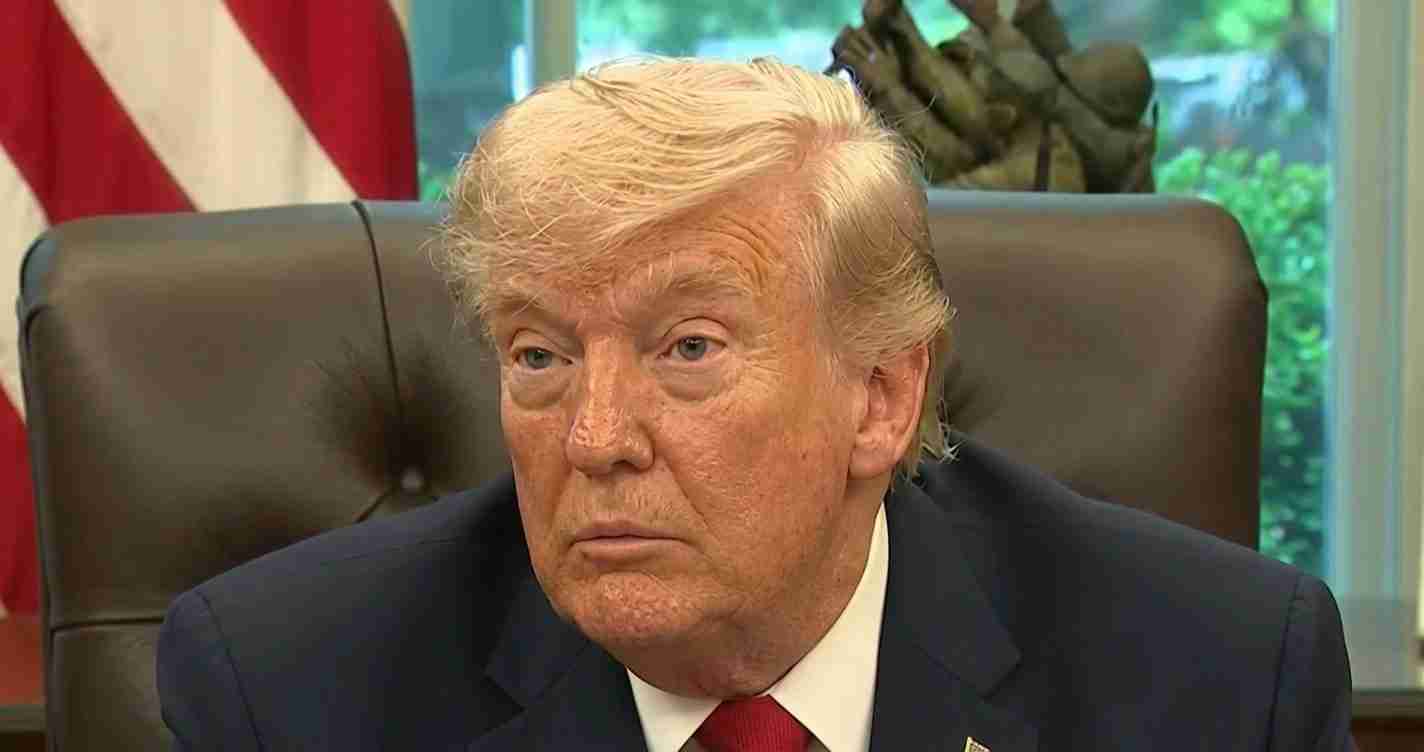
Senator Slotkin has cited notes and testimony tied to former Defense Secretary Mark Esper’s memoir asserting an exchange during the George Floyd protests. She told a January committee hearing she referred to a claim that President Trump asked Mr. Esper to send the 82nd Airborne into Washington and asked, “if necessary, can’t you just ‘shoot at their legs?'” Reporting on those remarks is available via Fox News. President Trump has denied making the statement.
The November 2025 video and its message
In late November 2025, Slotkin and six other lawmakers — including Sen. Mark Kelly and Reps. Jason Crow, Chris Deluzio, Chrissy Houlahan and Maggie Hassan — released a video directed at service members and intelligence personnel. The lawmakers, many of whom are veterans or former intelligence officers, urged troops to refuse orders that are unlawful.
“You can refuse illegal orders. You must refuse illegal orders. No one has to carry out orders that violate the law or our Constitution.”
The message drew sharply different reactions: supporters pointed to longstanding legal obligations under the Uniform Code of Military Justice; opponents called the timing partisan and hazardous to morale. Coverage and context are discussed by Fox News and Michigan Public.
FBI inquiry and security fallout
Slotkin told reporters on Nov. 25 that the FBI opened a counterterrorism investigation and sought interviews with the lawmakers involved after a spike in threats and hostile messages following the video and the former president’s response. She reported threats to her family and property, including an alleged bomb threat at a family farm. Sources include Michigan Public and a publicly available clip of a reported FBI outreach on YouTube.
The FBI has not publicly detailed the probe’s full scope. When national security agencies flag threats, inquiries can move into counterterrorism channels — a development that layered national security concerns atop partisan debate.
DC National Guard shooting renews debate
On Nov. 26, 2025, a separate incident in Washington left one National Guard member dead and another critically wounded. Authorities arrested 29-year-old Afghan national Rahmanullah Lakanwal, a former member of an Afghan counterterrorism team, and charged him with first-degree murder; the FBI described the attack as targeted and is investigating it as an act of terrorism. See reporting by Fox News.
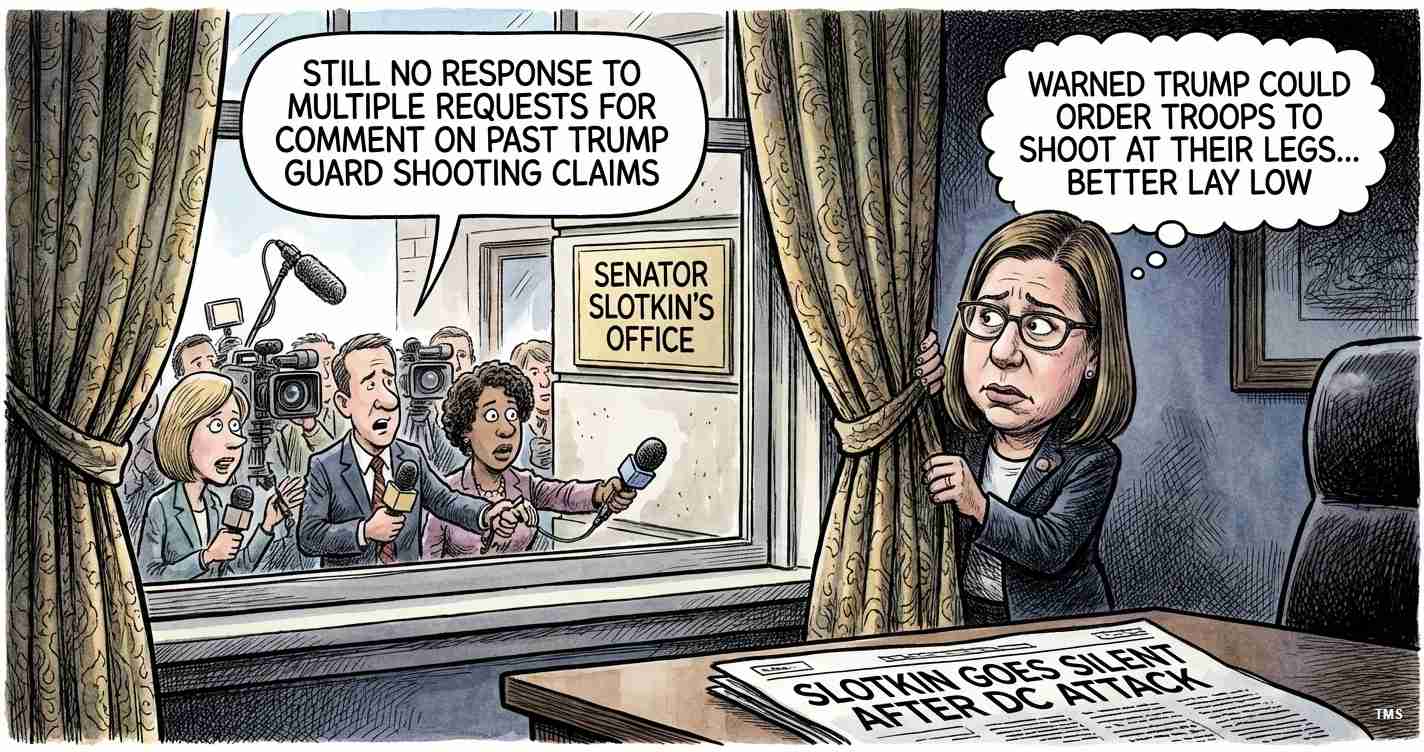
Reporters pressed Senator Slotkin to clarify whether she still stands by her recounting of the alleged comment and whether the lawmakers’ message could be seen as contributing to a hostile environment for service members. She did not answer, and her office did not respond to repeated requests for comment; conservative critics seized on that silence.
Slotkin’s defense: oath to the Constitution
Slotkin and colleagues defended the video as rooted in law and their oath to defend the Constitution. They emphasized that many of the lawmakers involved have military or intelligence backgrounds and said service members had raised concerns about potentially unlawful orders. They also pointed to recent deployment and strike policies as context that made clarification necessary. See additional context in Michigan Public and ABC News.
Legal scholars note that the Uniform Code of Military Justice instructs troops to disobey unlawful orders — a longstanding standard — while critics argue that urging refusal in a charged political moment risks being perceived as interference in military affairs.
Media and political reactions
Conservative media and Republican leaders have emphasized Slotkin’s silence and the video’s language to question her judgment, suggesting the rhetoric could erode trust in the chain of command and harm morale. Democrats and some national security experts counter that the message was about rule of law and legal limits on orders, not partisan politics. See reporting by Fox News and ABC News.
Implications for Utah
Economic impact
- Heightened tensions could affect defense contracting and local economies in Utah tied to military spending.
- Tightened security protocols around federal hubs may raise costs for companies doing business with government offices.
Political consequences
- Utah’s conservative base may view Slotkin’s silence and related messaging skeptically, reinforcing partisan divides.
- Local officials could push for clearer protections for service members and resist perceived politicization of the military.
Social effects
- The episode may deepen local partisan divides, especially among veterans and active-duty families prioritizing cohesion.
- Security concerns raised by threats could prompt calls for calmer public discourse from civic and faith leaders.
Cultural relevance
Utah’s strong military ties mean messages about obeying or refusing orders resonate widely; framing that respects both the rule of law and military professionalism will matter to voters here.
Practical applications for residents
- Guard and Reserve members should follow official military guidance rather than social media for resolving questions about orders.
- Voters will likely press candidates for positions on troop protections, civilian oversight, and family safety.
Sources
Reporting and source material cited in this article: