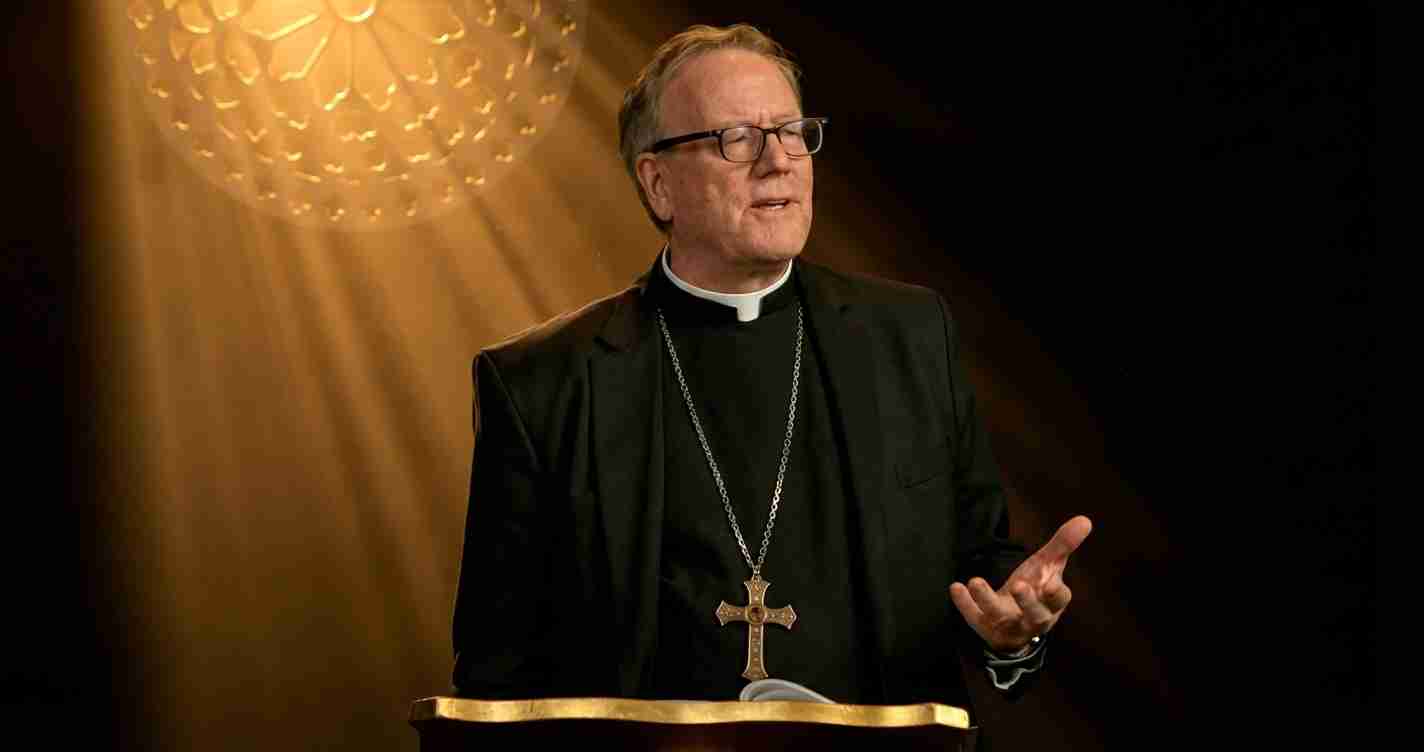
Bishop Robert Barron Slams NYC Mayor Zohran Mamdani’s “Warmth of Collectivism,” Cites Catholic Social Teaching and Historical Warnings
Bishop Robert Barron sharply criticized New York City Mayor Zohran Mamdani’s inaugural phrase praising “the warmth of collectivism,” warning it conflicts with Catholic social teaching and citing historical harms under collectivist regimes, raising concern about the city’s future direction.
- Bishop Barron publicly rebuked Mayor Mamdani’s line calling to replace “rugged individualism” with “the warmth of collectivism,” framing it as dangerous and contrary to Catholic social teaching and historical experience — Fox News.
- Mamdani acted quickly: sworn in privately at midnight, then signed three housing-focused executive orders and revoked predecessor Eric Adams’s orders, drawing immediate scrutiny — Fox News.
- National conservative response was swift — figures like Ron DeSantis and Ted Cruz cited coercion and historical abuses under collectivist regimes as warnings, amplifying Barron’s critique — Fox News, Gabriella Hoffman.
- Implications extend beyond NYC: analysts note potential economic, political, and cultural ripple effects for states like Utah as they monitor municipal policy experiments and national messaging.
Bishop Barron’s response and reasoning
Bishop Robert Barron, founder of the Word on Fire ministry and a widely known Catholic commentator, reacted on social media to Mayor Mamdani’s New Year’s Day address. Barron wrote that the phrasing “took my breath away,” adding, “For God’s sake, spare me the ‘warmth of collectivism.’”
“For God’s sake, spare me the ‘warmth of collectivism.’” — Bishop Robert Barron (posted on X)
Barron framed his objection in moral and historical terms, pointing to the immense human costs associated with 20th-century socialist and communist regimes and current failures in places like Venezuela, Cuba, and North Korea. He argued that Catholic social teaching rejects doctrinaire socialism when it suppresses human freedom, and instead upholds a market economy that preserves human dignity and personal liberty.
Mamdani’s inaugural address and immediate actions
Mayor Zohran Mamdani’s address included the contested line: “We will replace the frigidity of rugged individualism with the warmth of collectivism.” The sentence was widely quoted and became a focal point for critics and commentators. Mamdani was sworn in at a private midnight ceremony conducted by New York Attorney General Letitia James using family Qurans, an event that drew national attention.
Early executive orders (signed within hours):
- Revive the Mayor’s Office to Protect Tenants: focus on tenant complaints and accountability for hazardous conditions.
- Create the LIFT task force (Land Inventory for Faster Tenancy) to identify city-owned sites for affordable housing by July 1, led by Deputy Mayor Lila Joseph.
- Establish the SPEED task force (Streamlining Procedures to Expedite Equitable Development) to shorten permitting timelines and remove barriers to development.
Mamdani also revoked all executive orders from predecessor Eric Adams, including one that barred city agencies from boycotting or divesting from Israel. Those revocations prompted criticism from some right-leaning Jewish leaders and intensified scrutiny of early governance choices. At the time of reporting, Mamdani’s office did not provide a formal response to requests for comment — coverage referenced by Fox News.
Political reactions and broader conservative concerns
National conservative figures reacted rapidly. Florida Gov. Ron DeSantis argued the “warmth” of collectivism is sustained through coercion and force, citing historical deaths tied to collectivist governments. Senator Ted Cruz warned that communist rule strips away individual rights. Other critics, including Rep. Elise Stefanik, seized on prior Mamdani comments about Israel and Gaza to question his judgment.
Conservative commentators and independent writers amplified those critiques, portraying the language as evidence of a broader ideological shift that could influence policy in America’s largest city. Analysis and reaction pieces were prominent in outlets such as Fox News and commentary by Gabriella Hoffman.
Coverage and source notes
Reporting on Barron’s criticism and Mamdani’s inaugural address appeared prominently in conservative and faith-focused outlets. Principal coverage referenced in this piece includes Fox News, syndicated reports on AOL, and roundups in faith outlets like The Christian Post. Independent commentary and analysis also contributed context; public responses from Mayor Mamdani were not identified in the cited coverage.
Context on Mamdani’s stance and promises
Mamdani ran as a self-described democratic socialist, emphasizing housing affordability, tenant protections, and aggressive local action on social needs. His initial executive orders align with those priorities. At the same time, he has publicly pledged zero tolerance for antisemitism and promised increased funding to combat hate crimes — efforts intended to address concerns stemming from previous statements about Israel.
Critics, however, remain skeptical and seek clarity about how his policies will balance individual rights, economic freedom, and public safety. The debate underscores existing tensions about the proper role of municipal government in housing, zoning, and development strategy.
Implications for Utah
Economic impact: Utah’s economy is linked to national trends. If New York shifts toward broader municipal controls on housing, zoning, or public-private partnership rules, developers and investors who operate in Utah may see altered market dynamics. Policy experiments in large cities often influence federal debates and private-sector expectations.
Political consequences: Utah conservatives may use Barron’s critique and national Republican responses as evidence to bolster state policies that emphasize property rights, limited government, and market-based solutions. National messaging from New York could energize conservative voters in Utah ahead of state and federal contests.
Social and cultural effects: Utah’s religious communities, including Catholic and other faith groups, will follow the debate over Catholic social teaching and economic models. Barron’s public stance highlights tensions between calls to aid the poor and resistance to collectivist systems, prompting local faith leaders to weigh in on religious freedom and charitable work.
Practical applications: Utah municipalities should monitor New York’s LIFT and SPEED initiatives and tenant protections. Changes in permitting, lending, or development timelines observed in New York could influence interstate investment flows, lending decisions, and nonprofit housing strategies — prompting Utah officials to emphasize regulatory approaches that attract investment and protect local governance preferences.
Sources and further reading
- Fox News: Bishop Robert Barron slams Zohran Mamdani’s “warmth of collectivism” line
- Noticias Fox News (Spanish) coverage
- AOL syndicated report
- Christian Post roundup of responses
- Gabriella Hoffman commentary
This report compiles public statements, inauguration coverage, and early mayoral orders to examine the debate over Mayor Mamdani’s rhetoric and the pushback from religious and conservative figures. The story is developing; sources cited reflect coverage available at the time of reporting.