Seattle Mayor’s “Bye” to Millionaires Fuels Washington Tax Debate, Draws Tech Rebuke
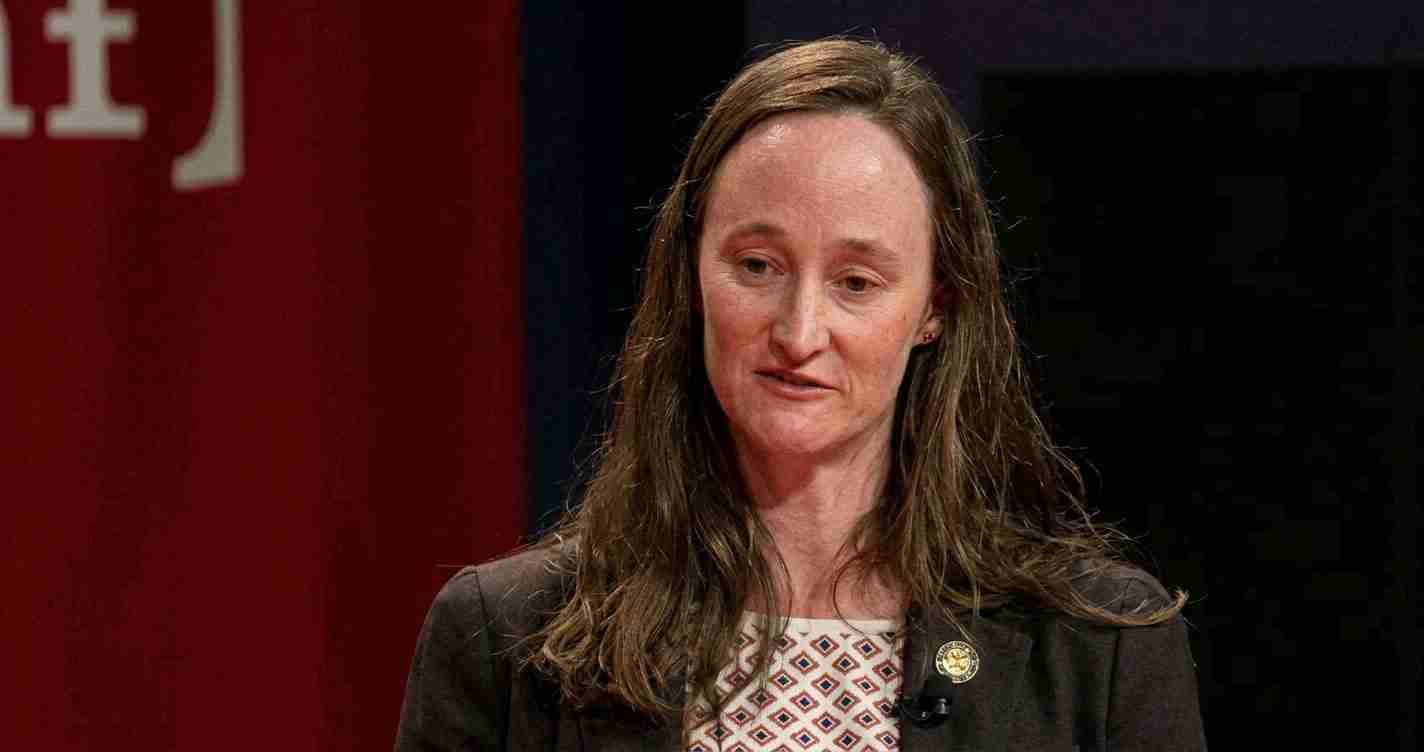
Seattle Mayor Katie Wilson ignited controversy on April 14, 2026, after waving “bye” at a Seattle University event, dismissing concerns that millionaires would leave Washington over a newly passed 9.9% top income tax on earnings above $1 million.
Key takeaways
- Wilson’s remark—waving “bye” to millionaires who might leave—sparked swift criticism from tech leaders and conservative outlets.
- The policy at issue is a newly passed state tax of 9.9% on personal income above $1 million, intensifying debates over regressivity and mobility.
- Local stakes: Seattle faces a projected $240 million shortfall for 2025–26, driving interest in progressive local revenue tools while cautioning against harming competitiveness.
- Implications for Utah: migration, political messaging, housing pressure and business attraction strategies merit close attention from Utah leaders.
What happened at Seattle University
At a Seattle University Conversations event on April 14, Mayor Wilson was asked whether progressive taxes are an “easy and promising solution” to Washington’s tax structure. She said she did not think they were easy but voiced support for the state’s new top-rate tax on income above $1 million. See the event video at 39:09 for the exchange.
When attendees raised worries that wealthy residents would leave the state, Wilson said,
“I think the claims that millionaires are going to leave our state are, like, super overblown. And if — the ones that leave, like, bye,”
while waving and laughing. The comment prompted cheers and laughter from the audience and was quickly highlighted in coverage including a GeekWire report and a Fox News clip.
Why the remark matters now
Washington’s newly passed tax levies a 9.9% rate on personal income exceeding $1 million. Supporters argue it addresses a deeply regressive tax system; opponents warn of capital and talent mobility. Wilson’s “bye” line has become a focal point because it appeared to treat departures of high earners as an acceptable outcome, an image seized on by critics in the tech community and conservative media.
Wilson’s fiscal case and policy limits
Wilson framed her remarks within a broader fiscal pitch: Seattle’s tax system is “very regressive” and the city needs new revenue tools to pay for services including libraries, parks and emergency response. She noted a structural budget gap and said her budget office is working to use revenue more efficiently. See the Mayoral campaign’s progressive revenue page for details.
The mayor emphasized she is exploring progressive options that would not raise the cost of employing people in Seattle and that city taxing authority can differ from state policy. She stressed that being progressive does not imply unrestrained spending—underperforming programs could be cut.
Wilson’s background and political profile
Elected in November 2025, Wilson is often described as a democratic socialist. Her campaign highlights work on local revenue options and past efforts to design graduated taxes aimed at wealthier households. She served on the 2023 Seattle Revenue Stabilization Workgroup and has criticized prior administrations for shelving revenue work; she argues the city must both find efficiencies and pursue progressive revenue where legally allowed.
Legal and historical context
Seattle has long explored local progressive taxes; past debates over a local income tax on high earners ran into legal hurdles tied to state court rulings dating to the 1930s. Those precedents make city-level changes complex and legally fraught. The state’s recent 9.9% top rate is part of a legislative push to address tax regressivity, while opponents stress capital mobility and competitiveness concerns.
Tech sector reaction and political fallout
Reaction from the tech community was swift: observers told GeekWire the “bye” remark felt dismissive given how companies and workers weigh location decisions. Conservative and national outlets amplified the moment—Fox News highlighted the wave and laughter, and National Review used the episode to argue city leaders may accept an exodus of wealth. Coverage tone varies across outlets, reflecting partisan divides over taxation.
Budget numbers and local pressure
City officials point to a forecasted $240 million shortfall for Seattle’s 2025–26 biennium as a driving reason to consider new revenue and cuts. That shortfall adds urgency to decisions about whether to raise taxes, cut services, or pursue both. Wilson frames progressive revenue as a tool to stabilize core services while pledging to end programs that do not work.
Fact-checking the “millionaires will leave” claim
Economists disagree on how many high earners would migrate in response to higher taxes. Some studies show limited short-term migration among top earners; others point to business responses such as changing payrolls or relocating functions. The debate often hinges on the actual mobility of high-income workers and tech firms and the relative importance of local costs—housing, commute and quality of life—versus marginal tax rates.
Implications for Utah
Economic ripple effects: Utah’s growing tech and startup scene competes regionally for talent. If high taxes prompt firms or wealthy workers to leave Washington, some may consider moving to lower-tax states like Utah, potentially boosting local tech hiring and investment. Migration patterns will depend on housing costs, regulatory climate and incentives.
Political signals: Wilson’s remarks and the Washington tax fight offer lessons for Utah’s conservative lawmakers, reinforcing arguments for tax competitiveness, targeted incentives, and scrutiny of progressive tax proposals. Media and political actors in Utah may use the episode to frame arguments in upcoming races.
Social and community effects: An influx of high-paid tech workers could increase housing demand and push prices up, complicating affordability. Local leaders would need to plan for growth to avoid strain on schools, roads and services.
Practical steps: Utah officials and businesses can monitor migration trends out of Washington, prepare workforce and attraction strategies, and target outreach to sectors most likely to relocate. Businesses should weigh long-term costs—wages, property prices and regulations—not just headline tax rates.
Sources and further reading
- GeekWire coverage: “Seattle mayor’s ‘bye’ to those who leave state over taxes is no laughing matter to some in tech”
- Fox News coverage: “Seattle mayor laughs as millionaires leaving Washington state over progressive taxes waves ‘bye’ ”
- Event video: Seattle University Conversations, full remarks (timestamp ~39:09)
- Mayor Wilson campaign progressive revenue page
- National Review commentary
Conclusion
The Seattle University exchange crystallized the trade-offs facing leaders who want to expand services while trying not to drive away the taxpayers and businesses that finance them. For Utah’s officials, business leaders and voters, the episode offers both a cautionary tale and a potential opportunity—one that will play out as Washington’s policy choices and their consequences become clearer.