Democrats Use Munich Security Conference to Challenge Trump Foreign Policy, Burnish 2028 Credentials
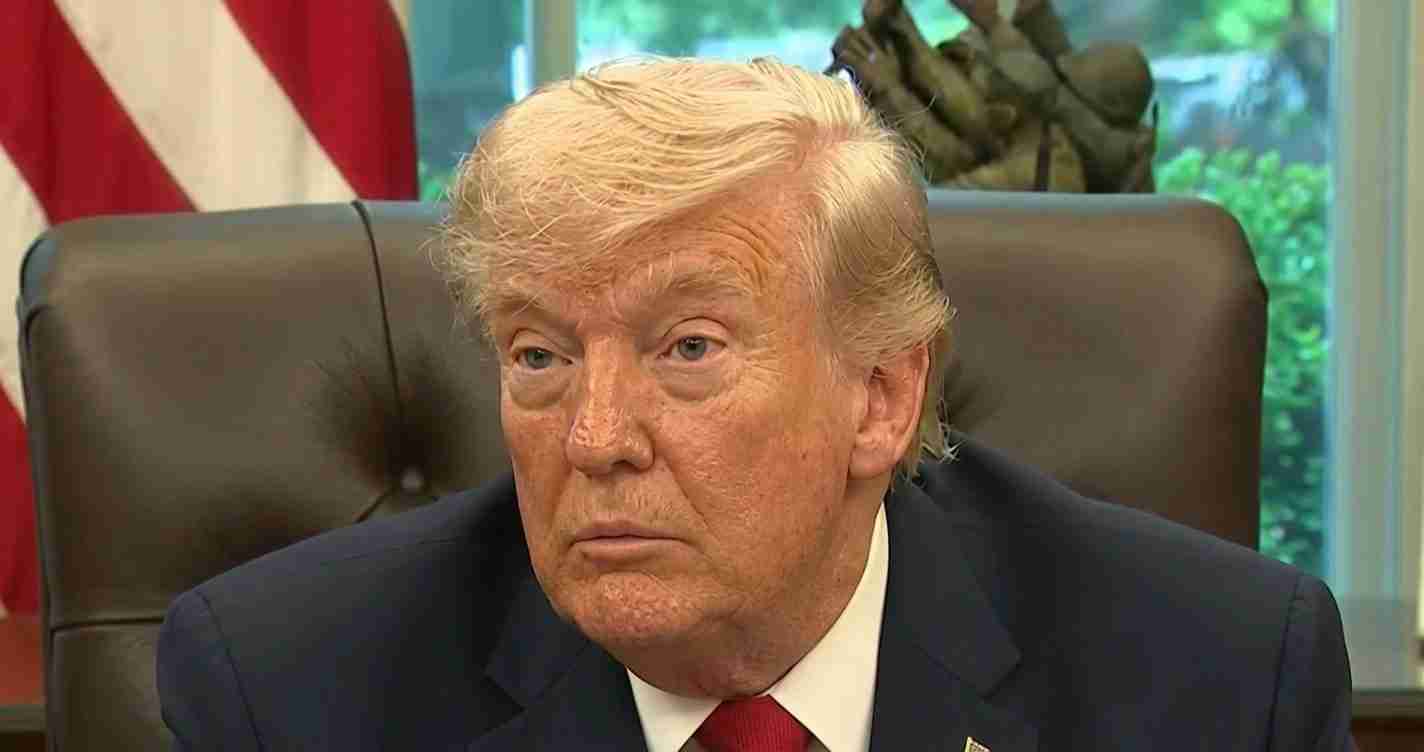
Top Democrats including Gov. Gavin Newsom and Rep. Alexandria Ocasio-Cortez used the Munich Security Conference to challenge former President Trump’s foreign policy and climate agenda while building credentials ahead of potential 2028 bids and reassuring international allies.
- High-profile Democrats pressed European partners to push back on Trump-era climate and foreign-policy moves, signaling alternative leadership ahead of 2028.
- Newsom centered climate as a global test, accusing the administration of favoring fossil-fuel interests and rolling back protections.
- AOC tied domestic reform to diplomacy, urging swift wealth-tax action and warning about erosion of democratic norms.
- Republican-led U.S. delegation and White House pushed back, underscoring competing messages about America’s direction.
Main coverage
Newsom frames climate fight as a global test
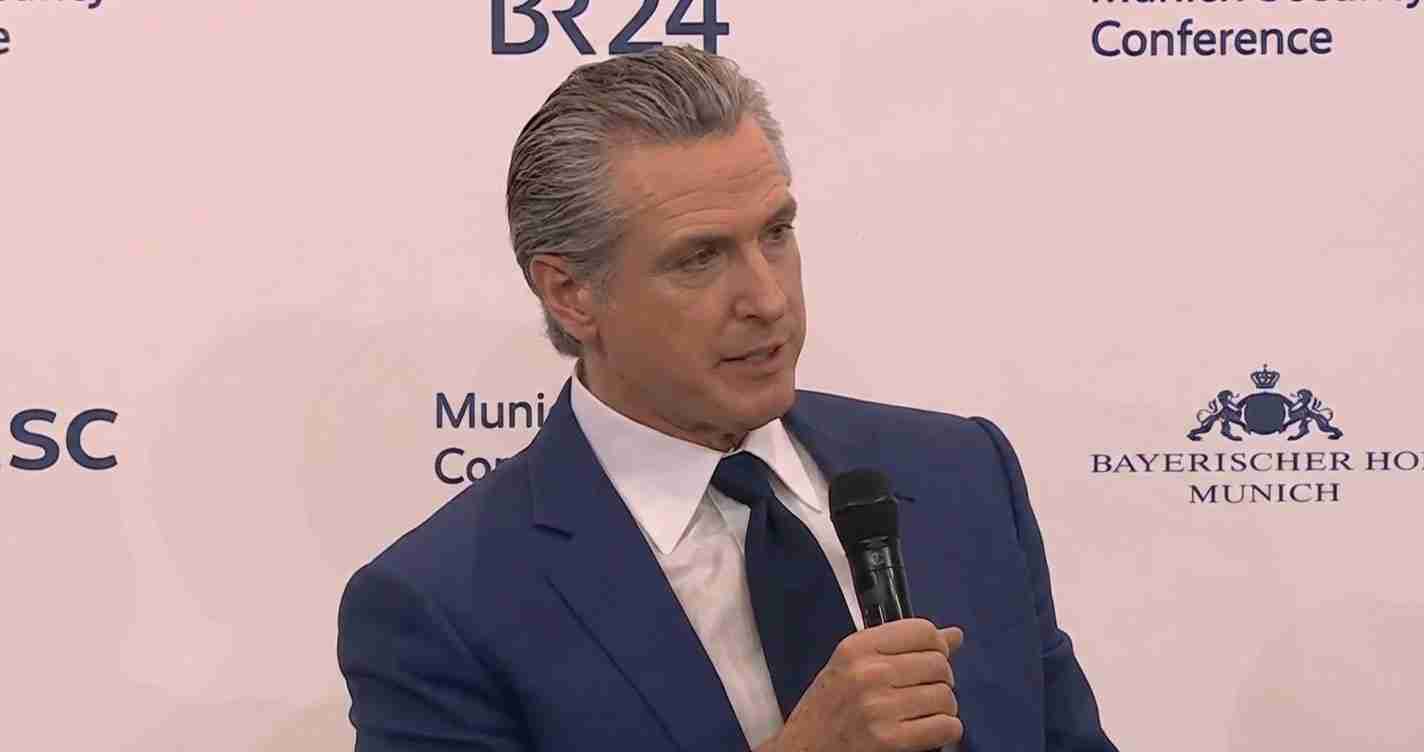
Gov. Gavin Newsom used his Munich platform to make climate policy the centerpiece of his critique, arguing the current White House is reversing long-standing environmental protections and favoring oil, gas and coal interests. He referenced the rollback of the 2009 endangerment finding and urged leaders to pressure the administration to stay engaged on global climate cooperation (ABC News).
“Never in the history of the United States of America has there been a more destructive president than the current occupant of the White House in Washington, D.C.” — Gov. Gavin Newsom
Newsom urged European and other world leaders to “call this guy out” and warned about the long-term stakes of ceding climate leadership, a message aimed both at reassuring allies and at differentiating his worldview from Trump-era policies. His Munich appearance follows stops at Davos and a U.N. climate summit in Brazil, continuing a pattern of international engagement (Los Angeles Times; Fox News).
AOC presses democratic norms and domestic reform
Rep. Alexandria Ocasio-Cortez linked U.S. domestic choices to international stability during a town hall at Munich, warning the administration is “tear[ing] apart the transatlantic partnership” and “rip[ping] up every democratic norm.” She also signaled support for swift domestic reform, saying a wealth tax should be enacted “expeditiously,” and that such measures do not require waiting for a single presidential term (Fox News).
Contrast with Republican messaging and the Vance factor
Democratic attendees contrasted their messaging with last year’s Republican tone — notably former Sen. J.D. Vance’s criticisms of Europe and immigration policy — to present a different U.S. posture toward allies and institutions. Party strategists say Democrats must both reassure partners and avoid presenting a monolithic alternative, balancing critique with concrete plans to restore leadership (ABC News).
U.S. delegation and administration pushback
The official U.S. delegation was led by Secretary of State Marco Rubio, who described the conference as “an important conference” and said delegations “want honesty” about America’s direction in a changing geopolitics landscape (ABC News).
The White House dismissed Newsom’s appearances as political grandstanding, urging the governor to focus on California governance rather than international conferences (Los Angeles Times).
Other Democratic voices at Munich
A small but notable Democratic cohort joined the discussions, including Michigan Gov. Gretchen Whitmer and Sen. Ruben Gallego of Arizona. Gallego emphasized plans to focus on “rebuilding alliances and restoring steady American leadership” and confronting “the threat of China” (ABC News; Los Angeles Times).
Why this matters now
The Munich Security Conference serves as a testing ground for foreign-policy messaging. For Democrats, it is an opportunity to reassure European allies and stake claims to leadership on climate and alliances; for Republicans aligned with the Trump approach, it is a forum to argue for a more transactional posture toward Europe. These competing messages will inform how foreign governments plan relations with Washington in the years ahead (ABC News).
Implications for Utah
Economic impact
- Energy policy: Newsom’s focus on reversing rollbacks and pushing climate rules could influence national energy markets; Utah’s mining, oil and gas sectors could face higher regulatory pressure if federal policy shifts (ABC News).
- Trade and tech: A stronger U.S. alliance stance and tougher posture on China could reshape supply chains and trade policy, creating risks and opportunities for Utah defense, tech and export-dependent businesses (ABC News).
Political consequences
- 2028 positioning: Coverage of “Gavin Newsom 2028” and other Democrats’ international appearances may sharpen national primary debates and be used by Utah Republicans to frame GOP messaging on national security and energy (Los Angeles Times).
- Local campaigning: Utah candidates may leverage European concerns to argue for stronger Republican leadership or to critique Democratic foreign-policy proposals (ABC News).
Social effects
- Public opinion: Utah’s conservative electorate, which values strong defense, may grow skeptical of Democratic priorities if international critiques are tied to domestic proposals like a wealth tax (Fox News).
- Civic conversation: Expect local debates on energy jobs, immigration, and the federal role in state affairs as national messaging filters into Utah politics.
Cultural relevance
Utah’s political culture emphasizes family, economic opportunity and security. Democratic appeals to climate action and alliances will be evaluated through that lens, and some conservative audiences may view these critiques as politically motivated rather than purely policy-driven (Los Angeles Times).
Practical applications for residents
- Monitor federal policy changes that could affect energy and infrastructure jobs in Utah.
- Expect 2028 candidates to use international appearances like Munich to shape national-security platforms; local forums will press how those stances translate to Utah priorities.
- State leaders and business groups may boost outreach to European and Asian partners if federal posture shifts, aiming to protect trade and investment.
Sources and further reading
- ABC News, “Newsom, AOC seek to boost profiles, reassure allies at Munich.”
- Los Angeles Times, “Gov. Newsom heads to Munich conference to challenge Trump’s vision for U.S.”
- Fox News, “Doubling down on ‘stupid’: Newsom, AOC trash Trump at European summit to raise 2028 profiles.”