Marjorie Taylor Greene apologizes for taking part in toxic politics after Trump attacks; says threats rose after he called her a “traitor”
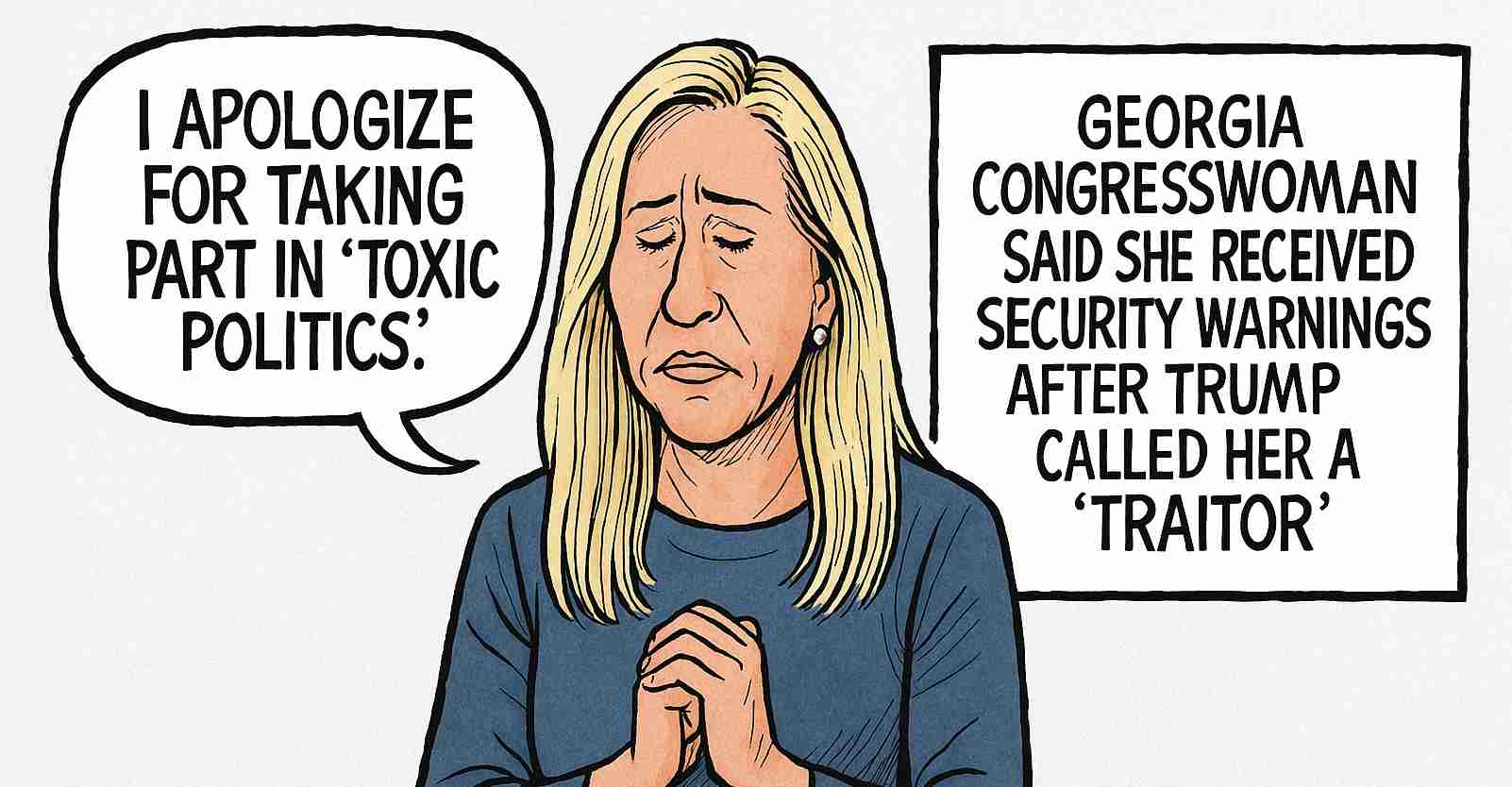
Rep. Marjorie Taylor Greene apologized for contributing to toxic political rhetoric after former President Donald Trump publicly attacked her, saying the insults increased threats and security warnings; she pledged to focus on civility while defending policy stances.
- CNN appearance where Greene apologized and pledged civility in politics.
- She said Trump called her “wacky” and a “traitor”, which she linked to increased threats and security warnings — reported in AOL coverage.
- Greene defended her push for transparency on the Jeffrey Epstein files and said she would not apologize for that effort.
What happened
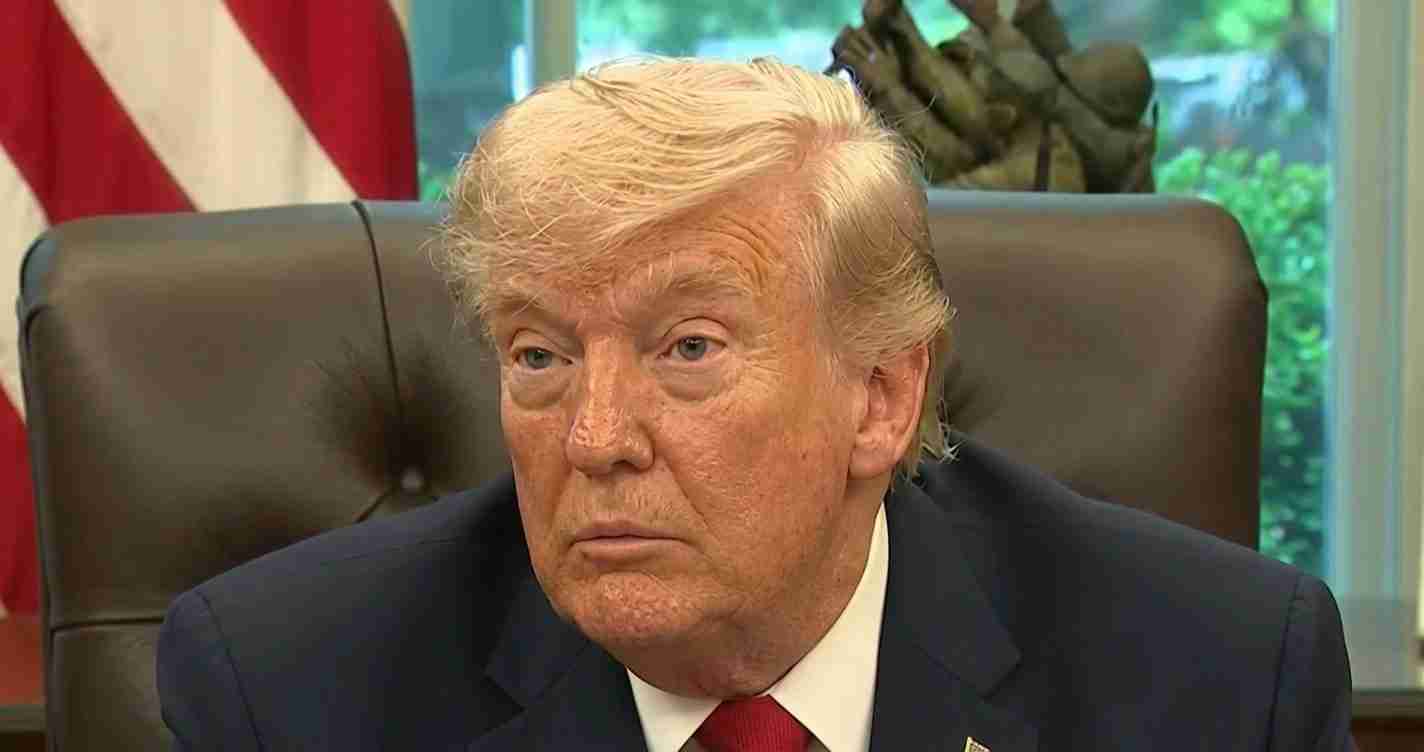
After a public split with former President Donald Trump, Rep. Marjorie Taylor Greene appeared on national television to respond. Trump had posted criticisms on social media — calling her “wacky”, labeling her a “traitor”, and suggesting he might back a primary challenger in her Georgia district — an exchange that followed Greene’s calls for transparency around Department of Justice files tied to Jeffrey Epstein.
Greene said the exchange was policy-driven on her part and not intended to undercut Trump’s standing; she tied the dispute to her advocacy for release of documents she described as important for victims and accountability (Notus reporting).
Greene apologizes for toxic politics
On CNN, Greene said: “I would like to say, humbly, I’m sorry for taking part in the toxic politics. It’s very bad for our country.” She acknowledged past social media posts that called for violence against political opponents and said she regretted contributing to that atmosphere.
“I’m trying to put down the knives in politics,” she said, describing a renewed focus on kindness and less inflammatory rhetoric.
Greene characterized the apology as sincere and said the shift was prompted in part because she became the target of high-profile attacks. She also noted the inconsistency of not speaking up previously when Trump attacked others, and said she is working to change her approach now (follow-up interview).
Security concerns and threats
Greene described tangible changes in her security environment after the public spat. She reported receiving warnings about threats to her safety and said those warnings led to increased anxiety among her daughter, staff and herself (Times of India report).
An online account also noted Greene’s office logged increased threats and staff anxiety following Trump’s remarks (AOL coverage). She told interviewers the language used by prominent figures can “radicalize people” and argued that such words may spur harmful actions from unstable individuals.
Epstein files transparency: a policy line she defends
Greene said she remains committed to pushing for the release of files tied to Jeffrey Epstein, framing the effort as a victims-first transparency campaign rather than a political attack on Trump. She told interviewers she would not apologize for advocating the disclosure of those documents and presented the stance as consistent with law-and-order and accountability principles (Notus reporting).
Political fallout and responses
The exchange exposed fractures within the Republican coalition. Trump’s suggestion that he might back a primary challenger to Greene increased pressure on party leaders and conservative voters in her district. Greene emphasized continued loyalty to many conservative priorities while pushing back on the personal attacks (CNN appearance).
Observers highlighted the irony of Greene’s apology given her history of inflammatory rhetoric; reactions among conservatives were mixed — some praised the civility message, others doubted the durability of the change (follow-up remarks).
Implications for Utah
Political landscape
Utah’s conservative voters monitor intra-party disputes closely. Trump’s attacks on Greene and her apology for toxic politics could prompt state GOP leaders to weigh in on unity and endorsements. Local Republicans who prioritize stability and law-and-order may view Greene’s civility emphasis as useful; Trump-aligned voters may see it as a warning against public dissent (CNN appearance; AOL coverage).
Security and public safety
Greene’s report of heightened threats underscores risks officials face from heated rhetoric. Utah law enforcement and campaign teams may reassess security protocols for officials, candidates and families, and community groups hosting high-profile speakers may increase event security (Times of India report).
Policy and transparency debates
Greene’s defense of Epstein files transparency aligns with conservative concerns about elite accountability. Utah lawmakers who favor transparency, criminal justice reform or victim advocacy might find common ground with calls to release files and could press the Congressional delegation for clearer positions (Notus reporting).
Campaigns and local politics
Campaign strategists may use Greene’s apology and the Trump dispute as a case study in messaging — advising candidates to avoid incendiary rhetoric to reduce backlash and security risks while maintaining tough policy positions. Donors and activists might shift support toward candidates promising firm policies with temperate rhetoric.
Social and cultural effects
Greene’s vow to “put down the knives in politics” may resonate with Utah’s emphasis on community civility, prompting faith leaders and civic groups to amplify calls for respectful discourse. Conversely, hardline supporters could see the episode as evidence national figures must manage internal disagreements carefully to avoid fragmentation.