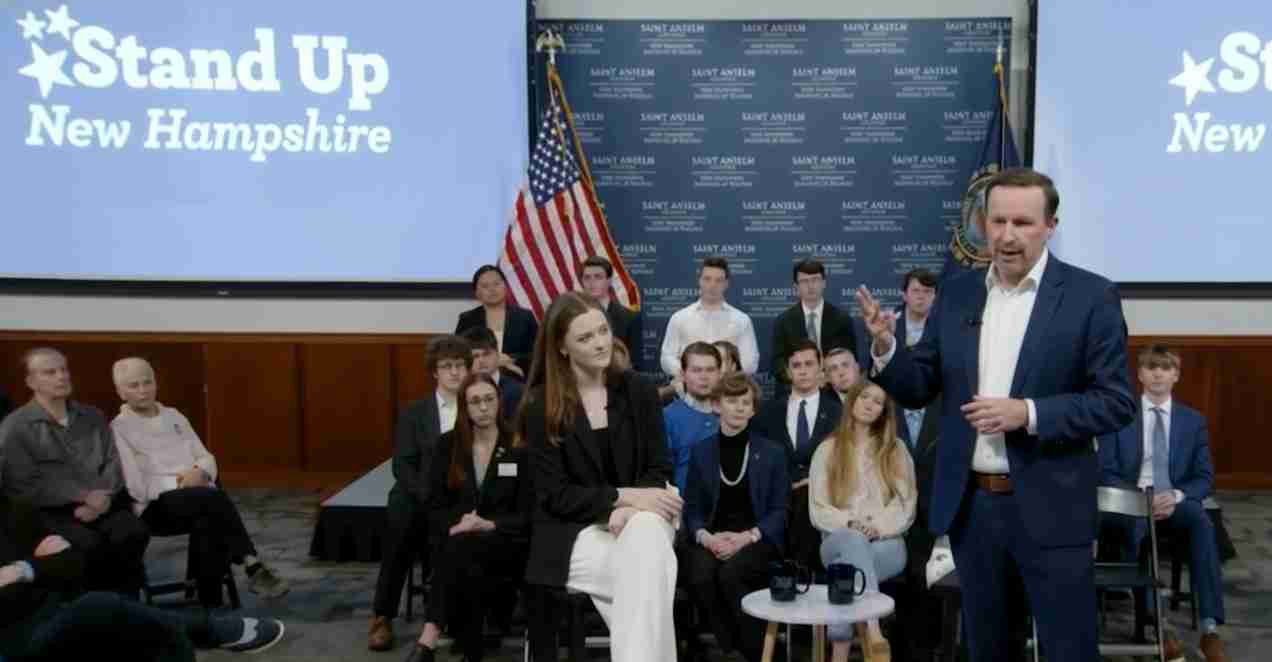
Murphy criticizes Schumer, says Senate leader must do more after government shutdown deal leaves healthcare subsidies uncertain
Sen. Chris Murphy sharply criticized Senate Majority Leader Chuck Schumer after a shutdown-ending deal that omitted Affordable Care Act tax credits, calling for stronger leadership and party unity while stopping short of demanding Schumer’s resignation.
- Sen. Murphy publicly faulted Majority Leader Chuck Schumer for a process that produced a deal failing to preserve key healthcare subsidies (CT Public Radio).
- Murphy said he was “angry” about the outcome and urged stronger leadership and greater unity, but did not call for Schumer’s resignation (CT Public Radio).
- Progressive groups and some House Democrats have pressed for Schumer to resign amid the fallout (Common Dreams).
- The deal was negotiated by a small bipartisan group, funded programs short-term, reversed layoffs, and promised a future vote on health care but did not ensure ACA tax credits.
What happened: the shutdown deal and what it left out
A small group of moderate senators from both parties crafted the agreement that ended the recent shutdown. The deal provided short-term funding for enumerated programs through January, reversed some federal layoffs, and included a promised future vote on health care.
However, the agreement did not lock in the Affordable Care Act tax credits that many Democrats had demanded be preserved—credits that lower premiums for Americans who buy coverage on ACA exchanges. Sen. Murphy said failing to secure those subsidies was a major shortcoming.
“I am angry about how this went down,” Murphy told reporters, arguing the party should not accept a deal that leaves millions uncertain about health care costs.
Why Murphy is critical
Murphy’s critique targets both process and policy:
- Process: He and other critics say negotiations were managed by a small, bipartisan group that shut out broader caucus input, producing a result that didn’t reflect the party’s priorities.
- Policy: The agreement failed to preserve ACA tax credits and other healthcare measures Democrats emphasized as essential to lowering premiums and expanding coverage (CT Public Radio).
Internal pressure within the Democratic caucus
Murphy’s comments reflect broader unease. Some progressive groups and House Democrats have publicly urged Majority Leader Schumer to resign, arguing that leadership failed to keep the party unified and protect core Democratic priorities. Activist organizations have even begun pressuring potential primary challengers to pledge opposition to Schumer’s continued leadership unless he steps down (Common Dreams).
Schumer voted against the shutdown deal, but critics say his leadership role came under scrutiny because he did not prevent a small group of moderates from negotiating terms that excluded key items like health-care subsidies.
The healthcare subsidies question and bipartisan politics
The contested subsidies are primarily Affordable Care Act tax credits, which reduce premiums for people purchasing plans on ACA exchanges. The deal postponed a definitive solution and only promised a future vote, leaving consumers, markets, and state observers uncertain about coverage and costs into the new year (CT Public Radio).
Murphy emphasized that Democratic leaders should be ready to champion popular, bipartisan policies—including meaningful relief that helps patients—rather than accept a short-term stopgap. There is no public evidence he demanded adoption of policies explicitly tied to former President Trump; his point was about being willing to pursue bipartisan solutions that deliver results (Sources: CT Public Radio; Common Dreams).
How Washington reacted
The deal ended the shutdown quickly and addressed immediate operational concerns, but the political fallout continued. Progressive activists increased pressure on party leadership, while moderate Democrats defended the deal as pragmatic—arguing it avoided deeper economic harm and bought time for further negotiations.
Murphy’s public criticism—aired in outlets including Fox News Digital and CT Public Radio—intensified the debate over whether leaders should prioritize short-term stability or press harder for lasting policy wins.
What’s next for the policy fight
The agreement included a promise of a Senate vote on health care later this term, leaving the outcome uncertain. Democrats who want to preserve subsidies will need to build support in the Senate, negotiate with Republicans where possible, or try reconciliation strategies. Continued internal divisions could make it harder to pass lasting reforms (CT Public Radio).
Implications for Utah
Economic impact
- If ACA tax credits are not preserved, some Utah residents who buy coverage on exchanges could face higher premiums, increasing pressure on households and state assistance programs.
- Short-term funding through January avoided immediate federal service disruptions that would have hurt local economies, contractors, and businesses that depend on federal activity.
Political consequences
- Utah’s conservative voters may view Democratic infighting and unresolved policy questions as evidence of weak leadership, bolstering Republican messaging.
- Utah’s Republican delegation may use the episode to push for clearer alternatives on healthcare and budget issues.
Social effects
- Families already struggling with healthcare costs could face greater anxiety over out-of-pocket expenses or continuity of coverage if subsidies lapse.
- Community health centers may see increased demand if premiums rise, and public concern could drive local advocacy and political mobilization.
Practical applications for residents
- Watch for the promised Senate vote on health care; if subsidies remain uncertain, compare plans carefully during open enrollment and explore state resources.
- Local hospitals, insurers, and employers will monitor federal action closely because changes to subsidies affect premiums and employer-sponsored plans indirectly.
Sources and further reading
- CT Public Radio: “Democrats criticize the deal some in their party negotiated to end the shutdown,” Nov. 11, 2025.
- Common Dreams: “Progressive Democrats Press Schumer to Resign” (coverage of internal party pressure).
- Comments attributed to Sen. Chris Murphy were reported in interviews with media outlets including Fox News Digital and CT Public Radio.
Reporting by Times Media Service