What does “6-7” mean? How a Skrilla song and basketball edits turned a short TikTok meme into Gen Z’s latest catchphrase
From a repeating hook in Skrilla’s song to basketball edits and a viral AAU shout, “6-7” morphed into a short, ironic catchphrase embraced by Gen Z and Gen Alpha across TikTok, schoolyards, and sports culture.
- Origin: A repeating “six-seven” hook from Skrilla’s track turned into an endlessly sampleable audio meme.
- Spread: Basketball highlight edits plus a viral child’s shout amplified the phrase on TikTok and Instagram Reels.
- Usage: Usually an ironic, in‑group reaction—sometimes literal (height in basketball), often context-light.
- Local angle: Utah creators, schools, and parents have seen the phrase migrate from feeds into classrooms and playgrounds.
Key information
Audio source: The lyric “six-seven” appears in Skrilla’s “Doot Doot (6 7)”, credited as the meme’s spark. Early video pairings included edits of tall players and a viral AAU child shouting the phrase.
Quick context: The meme functions as a short, repeatable tag—sometimes referencing height, often serving as a shared, ironic reaction among Gen Z and Gen Alpha.
Where it came from: Skrilla’s “Doot Doot (6 7)”
The direct audio source is Skrilla’s “Doot Doot (6 7)”, released in late 2024 and circulated widely in early 2025. Its repeating “six-seven” hook is simple to loop and sample, making it ideal for short-form remix culture. Some listeners speculate the numbers nod to 67th Street in Chicago tied to Skrilla’s background, though that remains conjecture. (See The Arizona Republic / AZCentral analysis.)
How it spread: basketball edits, a viral kid, and TikTok loops
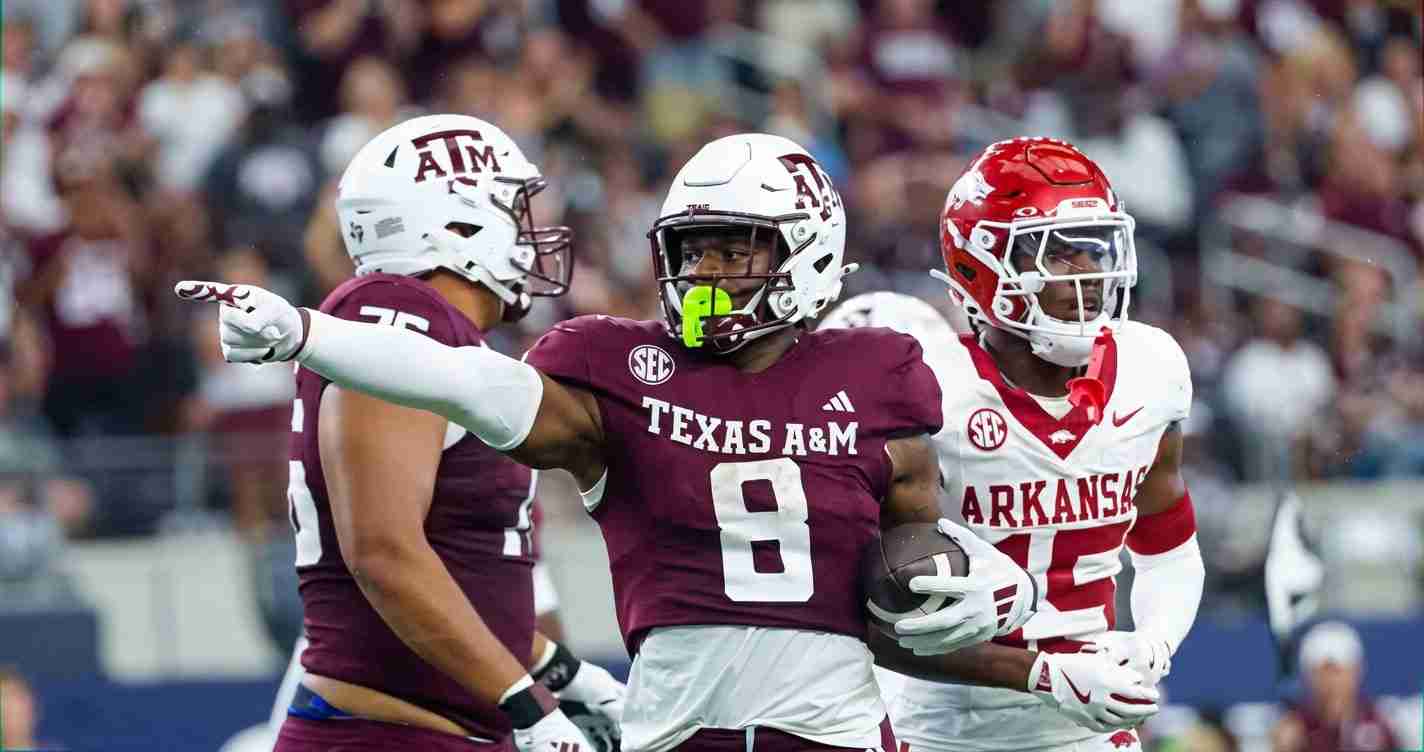
No single post created the trend. Early adopters synced the hook with slow‑motion dunk edits and highlight reels of players listed at 6’7″ (LaMelo Ball among them), creating an immediate visual association with height and athleticism. Separately, a short clip of a child at an AAU game shouting
“six‑seven”
—complete with a distinctive hand motion—was remixed widely, providing a repeatable gesture people could imitate in halls and on camera.
What “6-7” means — and how people actually use it
Ask a teen and you may get a shrug. The clearest takeaway: “6-7” is flexible. In sports contexts it can denote tallness or mock stat lines; elsewhere it operates as an ironic, context-light reaction—an audible shorthand indicating amusement, mild surprise, or membership in a meme-aware group.
Users often pair the chant with a compact gesture—palms alternated, clipped inflection—making the phrase easy to replicate in person. That repeatability explains why teachers and parents report hearing it in classrooms when students can’t or won’t explain its origin.
Who is using “6-7”?
Primary users are teens and preteens—Gen Z and Gen Alpha—who drive trends on TikTok. The phrase has migrated from feeds into everyday peer interactions: playgrounds, lunchrooms, youth sports, and group chats. Adults typically encounter it secondhand as a meme rather than a meaningful phrase.
Notable variations and darker turns
Like many viral bits, “6-7” spawned offshoots. Creators have produced distorted, analog‑horror‑style remixes—sometimes labeled as “SCP‑067 Kid” content—that recast the chant into eerie, folklore‑adjacent formats. These darker iterations illustrate how playful trends can be repurposed for shock or mood, underscoring the unpredictable paths internet culture can take.
Why it caught on: short, awkward, ironic humor
Digital youth humor prizes brevity, awkwardness, and repeatability. “6-7” fits: it’s short, rhythmically catchy, and functions as a social signal—an easy way to mark in‑group status without lengthy explanation. It joins earlier ephemeral catchphrases (think of “21” or “1738”) that became cultural currency by being trivially shareable.
Implications for Utah
Economic impact
- Opportunity: Local creators and small businesses—from BYU students to Salt Lake boutiques—can leverage short, tasteful clips using the trend to increase engagement among younger consumers.
- Limitations: Meme-driven gains are often fleeting; brands should weigh short-term visibility against long-term identity.
Political consequences
- Rapid spread to children feeds ongoing debates in Utah about online safety, parental controls, and digital‑citizenship education.
- Conservative audiences may use such trends to advocate for stronger local control and clearer school policies on device use.
Social effects
- Classrooms and youth sports mirror national patterns: teachers may see disruptions or opportunities to teach context and online behavior.
- The meme’s basketball tie makes it especially resonant in sports‑focused communities across the state.
Cultural relevance
Utah’s strong family and community networks mean trends like “6-7” can diffuse quickly through schools, church youth groups, and teams. Recognizing the pattern as part of broader youth digital shorthand can help parents and leaders respond constructively rather than dismissively.
Practical applications for Utah families and schools
- Parents: Ask children what the phrase means before reacting — many use it innocently as an in‑joke. If it becomes disruptive, discuss context and respectful use.
- Schools & coaches: Monitor how slang spreads and consider brief digital-citizenship lessons about why trends spread and how to behave online and offline.
- Local creators: Tasteful use of the trend can reach young audiences—but always respect copyright and platform rules when using Skrilla’s audio.
Sources
- Wikipedia: 6-7 (meme)
- Parade Magazine: What Does “6-7” Mean?
- The Arizona Republic / AZCentral: What does ‘6-7’ mean?
- Audio origin and meme movement traced to Skrilla’s “Doot Doot (6 7)”.