
REDWOOD CITY, Calif., July 21 (San Francisco News Online) — A brain tumor found on a preventive scan can make full-body MRI sound like a lifesaving shortcut. For most healthy adults, though, the bigger question is more practical: Will an elective whole-body scan do more good than harm, or will it mostly create extra worry, extra testing and an extra bill?
Major medical groups say that, for people without symptoms or specific risk factors, the evidence still does not support routine whole-body MRI screening.
What is a full-body MRI?
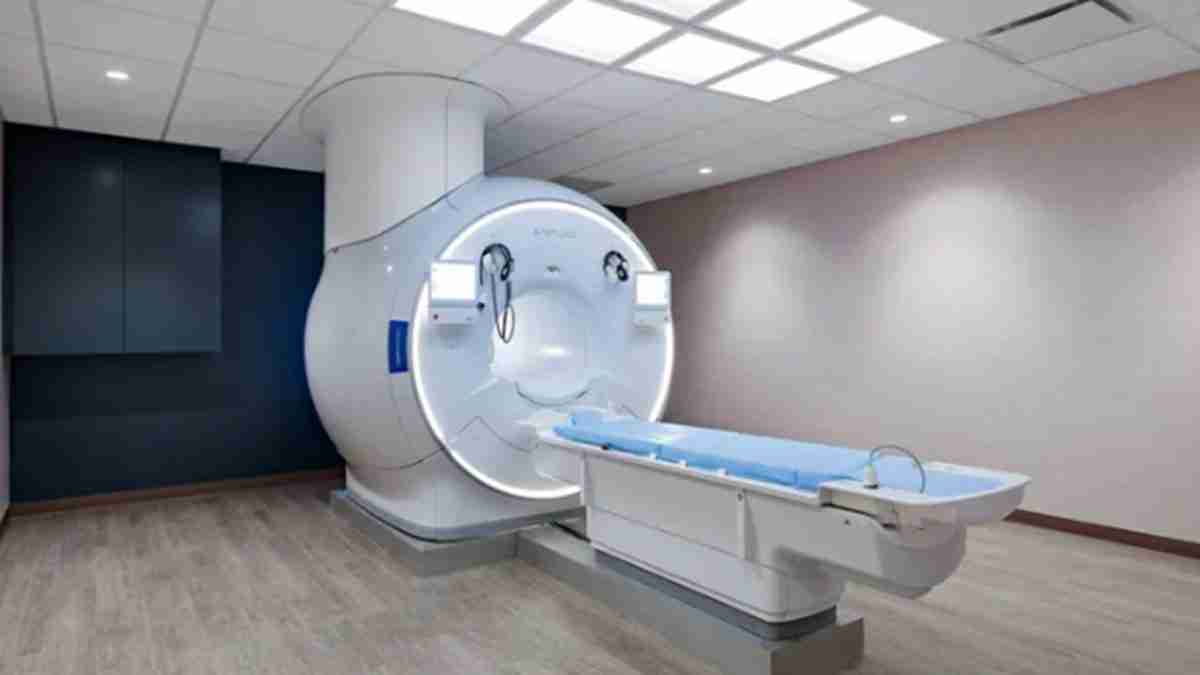
A full-body MRI, also called a whole-body or total-body MRI, uses magnets and radio waves to make detailed images inside the body. The American Cancer Society says MRI does not use ionizing radiation, unlike CT scans. That matters, but it does not mean a scan is automatically a good screening test.
Why are some companies promoting it?
Private screening companies market full-body MRI as a way to look for cancer, heart disease and other problems before symptoms start. Prenuvo says its scan can detect more than 500 conditions, including tumors at an early stage. But UCSF radiology researcher Dr. Rebecca Smith-Bindman told CBS San Francisco that there is no evidence the scans help people live longer or better.
Why are medical groups cautious?
The Food and Drug Administration says it knows of “no scientific evidence” showing that whole-body scanning of people without symptoms provides more benefit than harm. The American College of Radiology says there is not enough evidence to recommend total-body screening for people who have no symptoms, no major risk factors and no family history suggesting serious disease.
The American College of Preventive Medicine says doctors should not use whole-body scans for early tumor detection in people without symptoms. In a JAMA editorial reported by ABC News, Matthew Davenport of the University of Michigan and Dr. Scott Reeder said no major medical group recommends whole-body MRI for the general population because the benefits have not been proven.
What are the main downsides?
The biggest concern is not that the scan finds nothing. It is what happens when it finds something unclear.
The American Cancer Society says full-body MRI can turn up “spots” or “shadows” that may be normal variations in the body. Those findings can trigger more scans, more tests and more anxiety. Doctors call those unexpected findings incidental findings, or incidentalomas.
That can lead to false positives, which are test results that look worrisome but turn out not to be cancer or another serious disease. It can also lead to overdiagnosis, which Cleveland Clinic defines as finding a condition that would not have gone on to cause major symptoms or death. In other words, a scan may uncover a problem that would never have harmed the person.
The American Cancer Society also warns that some people may get false reassurance from a normal scan, since no screening test can rule out every disease.
What about cost?
Insurance companies rarely pay for full-body MRI because it is not part of standard medical care, the American Cancer Society says. That means many people considering one of these scans are likely to pay out of pocket. WebMD reports that some scans can cost $2,000 or more.
Can a scan still catch something important?
Yes. A preventive scan can sometimes find a real problem early, and that is why stories about tumors found before symptoms get so much attention. But one successful case does not prove that a screening program helps most people.
The FDA, ACR and other medical groups say the key issue is whether the test improves health outcomes enough to justify the possible harms. For now, they say the answer is still unclear for generally healthy people.
What does this mean for San Francisco readers?
The Bay Area has a direct connection to this debate because UCSF clinicians are among the researchers warning about the limits of whole-body MRI. Dr. Smith-Bindman told CBS San Francisco that there is not “a stitch of evidence” that the scans help people live longer or better, and she warned that false positives can lead to unnecessary follow-up care.
So, for a healthy adult thinking about an elective scan, the real decision is not whether an MRI can ever find something. It is whether that kind of screening is likely to improve care enough to outweigh the risks of false alarms, extra procedures, false reassurance and cost.
That is why major medical groups still draw a line between people with symptoms or specific risk factors and people who simply want a screening checkup. For the second group, the evidence remains thin.


