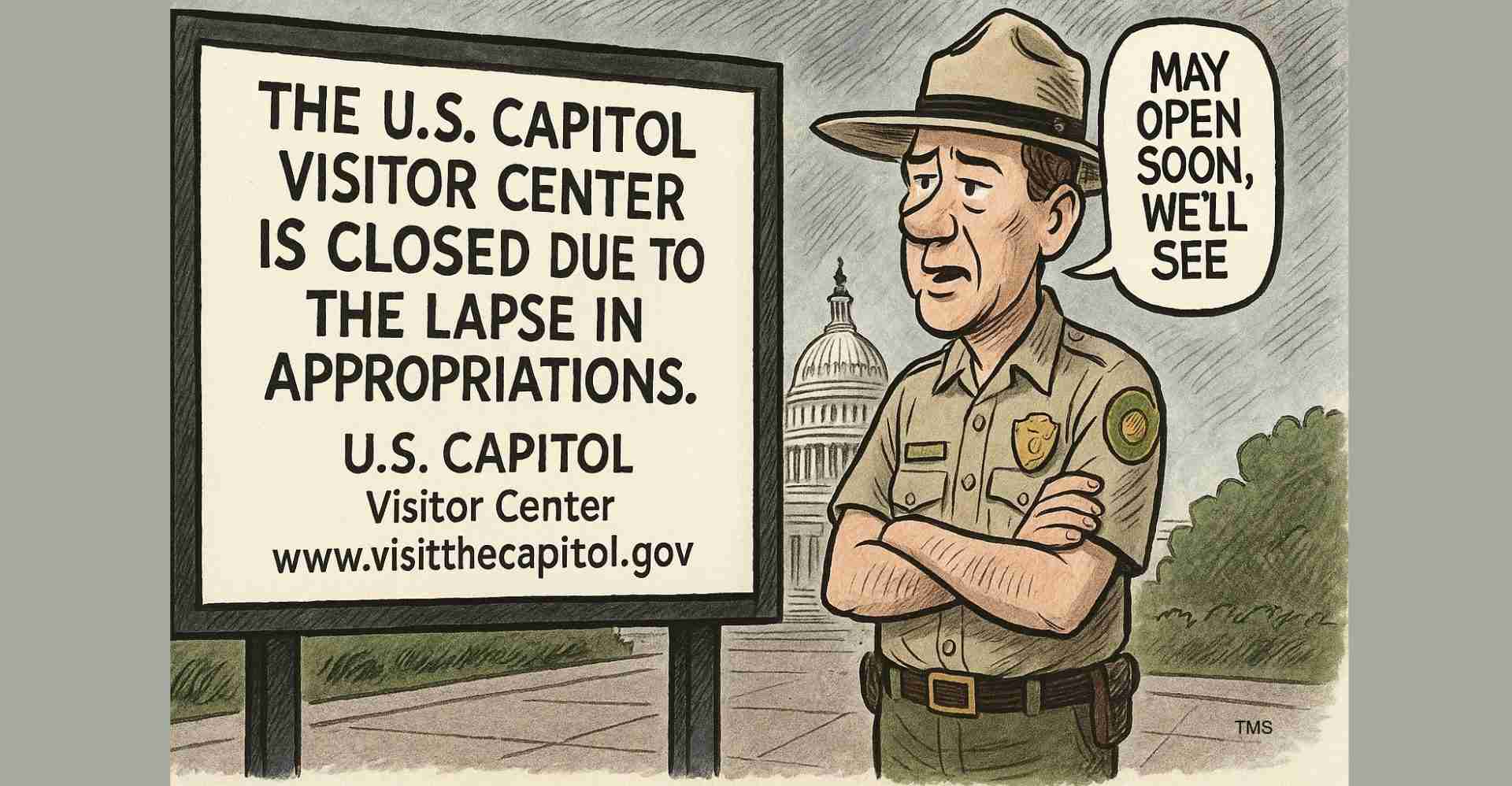
Lawmakers Signal Breakthrough in 2025 Government Shutdown: “End of the Beginning” as Talks Intensify
Congressional negotiators have intensified talks aiming to end the 2025 federal government shutdown that began Oct. 1, with Senate leaders drafting clean short-term funding fixes while debates over healthcare and ACA subsidies remain the central obstacles.
- Senate leaders are drafting amendments to a House-passed short-term spending measure to reopen the government through late January — focusing on funding continuity rather than policy riders; see the short-term spending measure and the government shutdown clock.
- Filibuster math matters: cloture requires bipartisan support and Democrats are weighing whether to accept later consideration of expiring ACA subsidies or demand firmer guarantees now; background on shutdown mechanics is at What is a government shutdown?
- Real-world impacts continue: roughly 900,000 federal employees furloughed and over 2 million working without pay, disrupting programs from food aid to public health; reporting outlines the 2025 shutdown and its wider effects.
Senate negotiations enter a new phase
After more than a month of gridlock, Senate Republicans — working with a handful of Democrats — are drafting amendments to the House’s temporary funding bill (often called the “Band-Aid bill”). The stated aim: pass a clean short-term extension that funds the government at existing levels without controversial policy riders, then return the measure to the House for a final vote.
The new effort seeks to balance competing pressures: Republicans want to avoid enshrining policy changes in a stopgap, while Democrats demand assurances that critical priorities — notably healthcare subsidies — remain on the agenda. Leaders are discussing an extension through late January to give negotiators time to negotiate broader appropriations or targeted deals; for background see the Fox News briefing and the White House timeline.
Filibuster math and timing
The Senate’s filibuster rule remains a central hurdle: cloture requires 60 votes, meaning Republicans must win at least five Democrats to reach that threshold. Negotiations are focused on whether Democrats will accept a promise to address ACA subsidy extensions later or insist on a binding agreement before clearing the path to reopen the government.
Senate leaders have discussed possible votes “as soon as Thursday” or later in the week, contingent on language that can attract enough support. For context on filibuster dynamics and shutdown mechanics, see analysis from Brookings and reporting by Fox News.
Political pressure from the public and states
Moderates on both sides are showing unease as public frustration grows. Governors and local leaders have pressed Washington for relief as furloughs and service interruptions mount, impacting SNAP food aid, aviation safety, and public health programs. Officials cite mounting economic stress as key motivation to move toward compromise; see reporting on the shutdown’s effects.
Off-year election results — from mayoral to gubernatorial contests — have reshaped strategic calculations and heightened concerns about blame and accountability, increasing pressure on negotiators to produce a resolution.
House dynamics: first chance to reopen since September
If the Senate successfully amends the House bill, the revised text will return to the House for a vote — the first opportunity to reopen the government there since Sept. 19. House Democrats are split: some may back a clean extension even without firm ACA subsidy guarantees, prioritizing an immediate end to the shutdown; others insist on concrete protections for health credits that millions rely on.
Shutdown impacts on federal operations and services
The shutdown’s reach has been wide: roughly 900,000 federal employees furloughed and more than 2 million working without pay. Essential functions — core Defense operations, Medicare and Medicaid payment processing, and TSA screening — have continued, but many public health and research programs have been curtailed.
Agencies such as the National Institutes of Health, the Centers for Disease Control and Prevention, and WIC programs have reduced or suspended services, producing ripple effects across communities; see the Wikipedia overview and reporting on the shutdown’s spiraling effects.
Timeline and what triggered the stalemate
The current shutdown began after Senate Democrats repeatedly blocked House-passed appropriations packages, largely over the decision not to include extensions of Affordable Care Act tax credits. Those ACA subsidies are central to the stalemate and remain the primary bargaining chip in talks; background is available at Wikipedia and Rep. Stanton’s resources at Rep. Stanton.
The White House has proposed a short-term extension through Nov. 21, 2025, intended to buy more time for negotiations; see the White House proposal. Lawmakers describe the current phase as the “end of the beginning”, where substantive bargaining may start to yield legislative outcomes.
Outstanding issues: ACA subsidies and more
Healthcare funding tops unresolved matters. Democrats press to maintain or extend ACA tax credits that help Americans afford premiums; Republicans resist incorporating such spending into short-term measures. Negotiators face a choice: prioritize subsidies now or promise a future process — a test of trust between the parties.
Other program fights loom: eligibility changes and potential new work requirements for SNAP and Medicaid are flashpoints, and both sides worry about economic fallout if funding gaps continue.
Political messaging and high-profile involvement
Partisan messaging has intensified as leaders shape public perception. Each party is attempting to assign blame for the stalemate. High-profile interventions, including comments from President Trump and other national figures, have kept the dispute in headlines and complicated behind-the-scenes diplomacy.
Implications for Utah
Economic impact: Utah’s economy depends in part on federal funding. Thousands of Utahns work for federal agencies or contractors; furloughs and unpaid work reduce local spending in restaurants, hotels and shops — particularly near Hill Air Force Base and other federal facilities. Tourism to Utah’s national parks also suffers when park services are curtailed.
Political consequences: Utah’s conservative electorate will watch for votes that reopen the government without permanent spending expansions. How the state’s delegation handles ACA subsidies and short-term funding will shape local messaging before upcoming elections.
Social and cultural effects: SNAP, WIC and state health supports have been squeezed. Rural Utah and low-income families may face delays and reduced services, and local faith-based and civic groups are stepping in to fill gaps in line with community values of self-reliance.
Practical applications for residents
Residents should monitor announcements about federal employee pay, SNAP benefits and national park operations. Federal workers and contractors should check with employers about furlough status and return-to-work timelines. Small-business owners in tourist areas should prepare contingency plans for shifting visitor patterns.
Sources and further reading
- Fox News: “Hitchhiker’s guide to a potential break in the government shutdown”
- Wikipedia: 2025 United States federal government shutdown
- White House: Government shutdown clock and proposal
- Brookings Institution: What is a government shutdown?
- ABC News: Coverage of shutdown effects and negotiations
- Rep. Stanton: Resources on the 2025 shutdown
(End of article — substantive reporting continues as negotiations develop.)