DOJ says critics can “look away” as Trump officials push back on UFC White House lawsuit over UFC Freedom 250
A high-stakes legal battle over the planned “UFC Freedom 250” fight on the White House South Lawn — scheduled for June 14, 2026 — pits two Virginia residents and the Public Integrity Project against the National Park Service and Department of the Interior.
Key takeaways
- Event: UFC Freedom 250 is planned for the White House South Lawn on June 14, 2026 — Flag Day and President Trump’s 80th birthday — as part of semiquincentennial celebrations; Time and video coverage reported details.
- Lawsuit: The Public Integrity Project sued the National Park Service and Department of the Interior on behalf of two Virginia residents, seeking an emergency injunction to stop the fight; video coverage covers the filing.
- Administration response: DOJ argued the suit was untimely, noted more than $60 million in preparations, and said opponents can “simply avert their gazes” rather than ask courts to cancel the event; see reporting and brief summaries.
What the planned event looks like
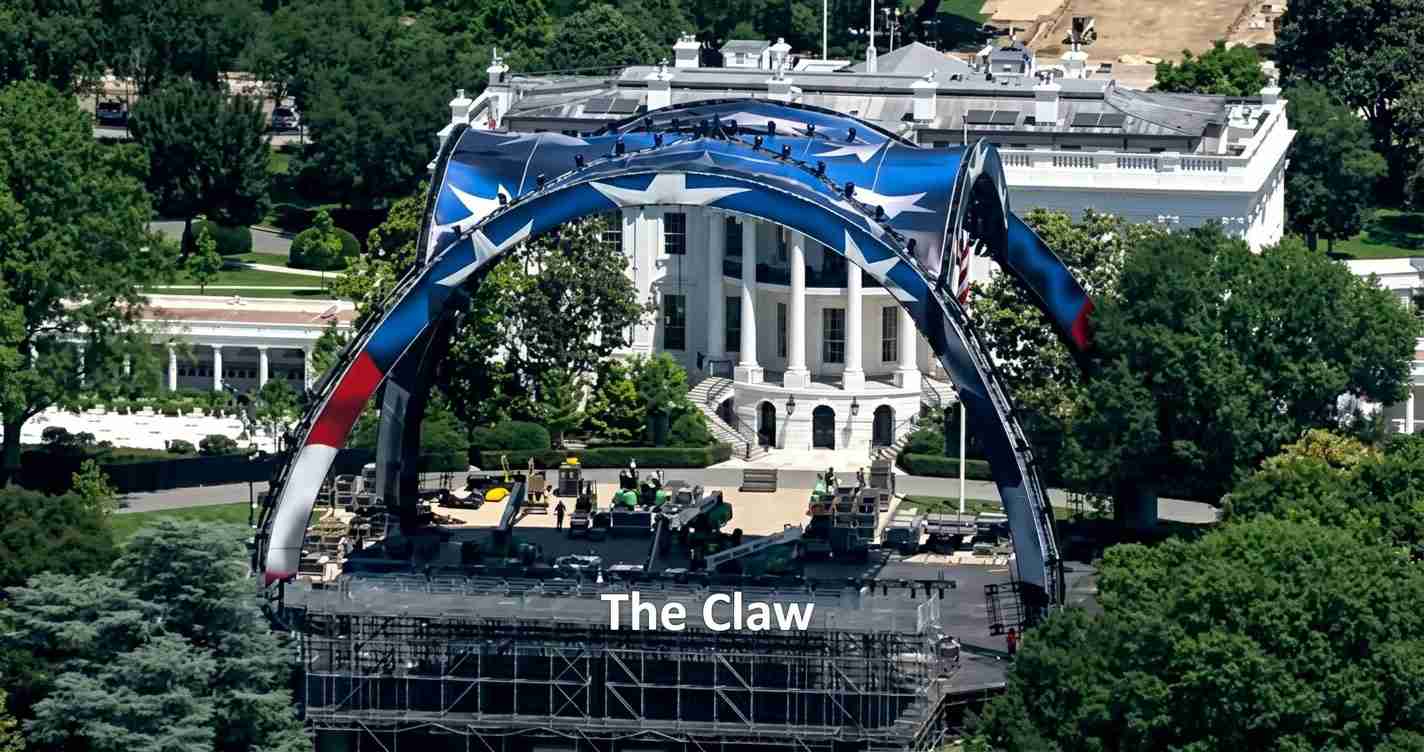
UFC and White House planners have been preparing for months. The card, promoted as “UFC Freedom 250,” will feature temporary seating on the South Lawn and a large overhead canopy — reported as roughly 87 to 90 feet tall — to light the Octagon. Reporting from Time and additional video coverage described the setup. UFC CEO Dana White said the company has done planning visits and will cover costs tied to any damage to the grounds; Time reported the expected main event as Justin Gaethje vs. Ilia Topuria.
Stakes and preparations
Government lawyers and event officials say extensive work and expense are already sunk into the event. Officials estimate more than $60 million has been spent preparing the site, thousands of spectators and fighters have made final plans, and the promotion has invested heavily. See video reporting and Time for details.
Plaintiffs’ claims in the UFC White House lawsuit
The complaint brought by the Public Integrity Project on behalf of two Virginia residents alleges multiple legal and ethical violations. The main claims include:
- Permitting and park rules: Plaintiffs argue the National Park Service’s rules do not allow this kind of sporting event on federal park land without proper permitting and that organizers relied on an overly broad semiquincentennial exemption. (See video coverage and video reporting.)
- Environmental review under NEPA: Plaintiffs assert required environmental assessments or impact statements were not completed before approving large construction and crowd plans on protected grounds. (Reported in video reporting.)
- Conflict of interest and ethics: The suit raises ethics concerns tied to President Trump’s relationship with UFC and Dana White, including reporting that Trump purchased stock in UFC’s parent company earlier in the year; plaintiffs call the event a commercial use of public property that could benefit private interests. (See coverage and video reporting.)
- Aesthetics and public use: The complaint argues the spectacle is disruptive to the National Mall area and degrades civic space reserved for public use. (Coverage.)
Administration response and DOJ brief
The Department of Justice filed a forceful opposition to the injunction request, arguing the suit was filed too late and would unjustly upend extensive preparations. DOJ attorneys wrote that opponents unhappy with the event can
“simply avert their gazes”
rather than ask a court to block thousands from attending. The filing highlighted:
- Timeliness and reliance: Officials say months of planning, significant expenditures (more than $60 million), and travel and fighter preparations weigh against emergency relief. (Summarized in video reporting and Time.)
- Precedent and comparability: The administration said the UFC card is no different from other large White House events historically held on the South Lawn or permitted events on the Ellipse and National Mall. (See related statements reported.)
- Standing and justiciability: Government lawyers argue plaintiffs lack standing or fail to meet the emergency-relief standard, citing judicial deference to presidential use of White House grounds. (Legal commentary available in video analysis.)
Legal standards and what likely comes next
To obtain an emergency injunction, plaintiffs must show: likelihood of success on the merits, irreparable harm without relief, that the balance of equities favors them, and that an injunction would serve the public interest. Legal analysts say the plaintiffs face an uphill climb given the short notice and heavy investments already made; judges are often reluctant to halt major public events at the last minute. Analysts predict a quick motion to dismiss or denial of emergency relief. (See video legal analysis and additional reporting.)
Status of the case
The suit was filed the weekend before the scheduled event; the administration filed opposition briefs on an accelerated timeline and reports indicated plaintiffs were given a deadline to file a final reply. Some accounts reported the judge assigned as U.S. District Judge Amit P. Mehta, but that identification has not been independently confirmed in a public docket available at press time. (Reported briefing schedules and social posts: Instagram; Facebook; video reporting.)
Political and public perception
Supporters frame UFC Freedom 250 as a patriotic, attention‑grabbing celebration that brings younger audiences to semiquincentennial festivities; opponents call it a politicized spectacle blending private commercial interest with the symbolic White House space. The dispute underscores debates over acceptable uses of government venues and where to draw the line between official celebration and private profit. (Contextual reporting: video; Time.)
Implications for Utah
Although centered in Washington, D.C., the event’s national profile can produce local ripple effects in Utah:
- Economic impact: National attention may boost ancillary tourism and media business across the country. Utah’s combat‑sports fan base and events sector in Salt Lake City and Provo could see increased interest; travel and lodging demand may be affected if courts intervene.
- Political consequences: Utah’s conservative voters may respond to the administration’s framing that a small group should not be able to block a national celebration; lawmakers focused on ethics will monitor permitting and conflict‑of‑interest findings closely.
- Social and cultural effects: A high‑profile White House card could spur local gym memberships, youth interest in MMA, and viewership among younger demographics. If halted, debates in Utah may intensify over civic rituals versus private spectacle.
- Practical advice for residents: Utahns planning travel or watch parties should monitor court developments closely; filings and rulings are moving quickly and non‑refundable bookings may require contingency plans.
Sources for this report
- Time magazine profile of Dana White and event details
- Video coverage and legal summaries (primary video)
- Additional video reporting and coverage
- Video coverage and brief summaries
- Social media reporting (Facebook)
- Social media filing schedule notes (Instagram)
Reporting will be updated as courts issue rulings and further filings become public.