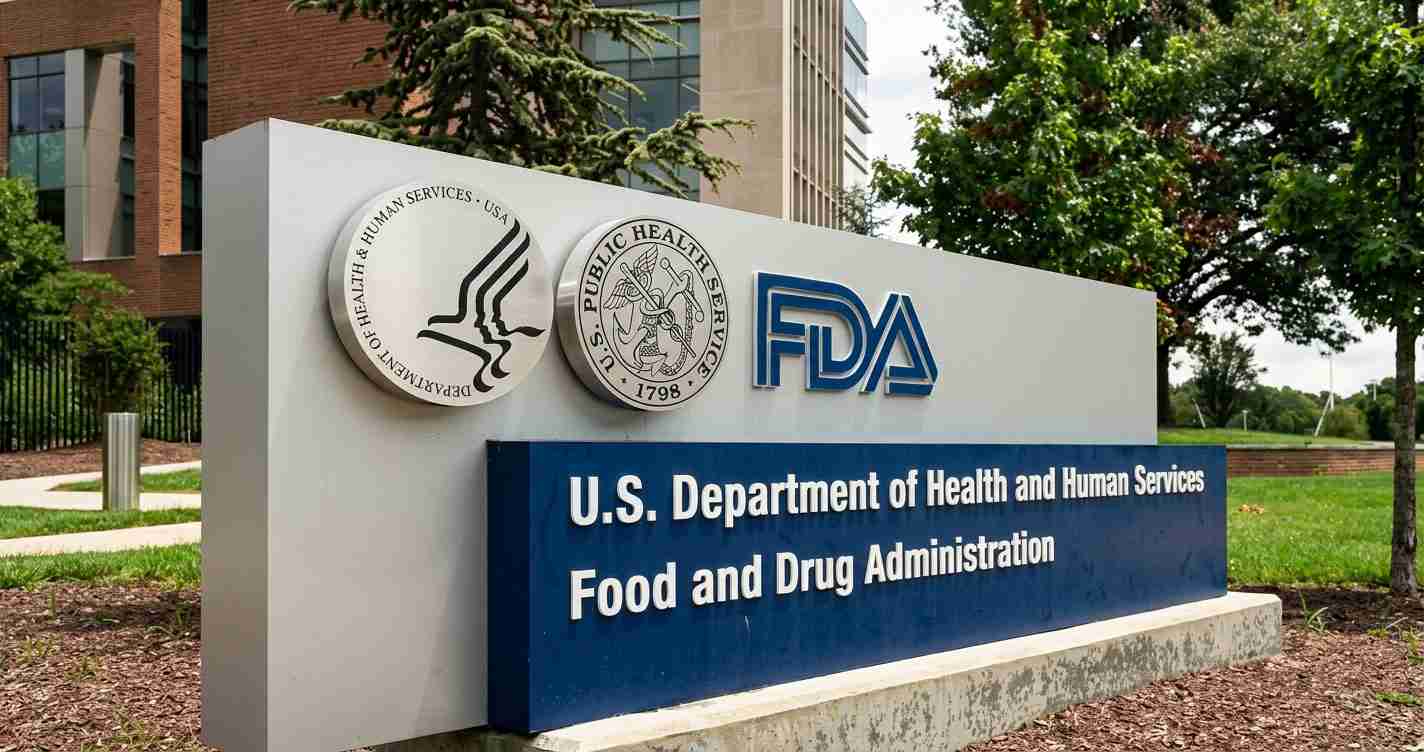
FDA approves bemotrizinol sunscreen — Parsol Shield benefits promise new US sunscreen filter after 25 years
The FDA has approved bemotrizinol (Parsol Shield) as a new over‑the‑counter sunscreen active ingredient, the first U.S. addition in more than 25 years — offering broad UVA/UVB protection, low systemic absorption and minimal irritation, with products expected by 2026.
Key takeaways
- New U.S. filter: Bemotrizinol (INCI: bis‑ethylhexyloxyphenol methoxyphenyl triazine, aka BEMT) is now permitted for OTC sunscreens in the U.S.
- Parsol Shield and timeline: DSM will market it as Parsol Shield, with products anticipated in 2026 and an estimated 18‑month initial exclusivity window.
- Safety and use: FDA found plasma levels rarely exceeded 0.5 ng/mL and supported GRASE use for adults and children 6 months+ at up to 6% concentration.
- Performance benefits: Photostable, broad‑spectrum UVA/UVB protection with favorable cosmetic feel — likely to improve real‑world sunscreen use.
Main story
Key information
The FDA moved to add bemotrizinol (often abbreviated BEMT) to the list of permitted sunscreen active ingredients after concluding it provides broad UVA and UVB protection with low skin absorption and minimal irritation. See the FDA press announcement for the agency summary.
DSM Nutritional Products (now part of DSM‑Firmenich) will sell the ingredient in the U.S. as Parsol Shield; the company requested use up to 6% in OTC sunscreens. For industry perspective and coverage, see industry coverage.
The OMOR process used here is meant to expedite adding modern, evidence‑backed filters to the OTC monograph without requiring the older drug‑approval route.
What the FDA did and why it matters
The agency used the newer over‑the‑counter monograph order request (OMOR) pathway to evaluate and add bemotrizinol — a reform intended to move safe, effective ingredients through a data‑driven path faster. The OMOR approach was highlighted in the FDA press announcement.
This approval is notable because the U.S. had not added a new UV filter in more than 25 years. Bringing internationally used, modern filters into the U.S. market should expand consumer choice and align options with global standards.
How bemotrizinol works
Bemotrizinol is a chemical UV filter that absorbs both UVA and UVB rays. It is highly photostable — resisting breakdown in sunlight — and often provides broad‑spectrum protection at lower concentrations than older filters. Dermatology and clinical reviews discuss its photostability and molecular properties in detail; see the clinical literature.
Its large, lipophilic structure helps limit systemic absorption while keeping the active ingredient working at the skin surface. Compared with some legacy U.S. filters, bemotrizinol can deliver stronger, more stable protection and improved cosmetic feel — less greasiness or whitening — which may increase adherence.
Safety and absorption evidence
A key part of the FDA’s evaluation focused on pharmacokinetics and irritation. Clinical studies cited by the agency found plasma concentrations rarely exceeded the FDA’s 0.5 ng/mL threshold when bemotrizinol was applied at 6% in sunscreen formulations. Reported adverse events were infrequent and generally mild. See the cited clinical literature for study details.
International regulators have allowed bemotrizinol at higher concentrations in some regions (up to 10% in the EU); Canada permits up to 6%, matching the ceiling the FDA supports for the U.S. market.
Parsol Shield, DSM and market timeline
DSM sponsored the OMOR and will market bemotrizinol in the U.S. as Parsol Shield. Industry sources expect initial U.S. sunscreens containing Parsol Shield to appear in 2026, likely by summer. The OMOR process and filings note an estimated 18‑month exclusivity period for the first product to market; after that, other manufacturers may add the filter.
For more industry context, refer to industry reporting and regulatory filings.
Regulatory context and the drive for modernization
The U.S. permitted‑filter list had been largely unchanged since the late 1990s. The 2014 Sunscreen Innovation Act and later OTC monograph reforms created a clearer route for adding modern filters through GRASE determinations. Bemotrizinol’s approval is an early example of the system working to bring internationally used, evidence‑backed ingredients to U.S. consumers. See the FDA press announcement and a broader clinical and regulatory review.
What this means for consumers and clinicians
Bemotrizinol should expand dermatologists’ and consumers’ options by enabling sunscreens with strong UVA/UVB protection, photostability, and better cosmetic properties. Experts call it a “team player” filter that can be combined with others for robust, long‑lasting protection.
“Sunscreen remains only one part of sun safety,” the FDA reminds consumers — recommending broad‑spectrum SPF 15+, reapplication every two hours (or after swimming/sweating), protective clothing, and limiting peak‑hour exposure. See the FDA Q&A on OTC sunscreens and monograph process for guidance.
Implications for Utah
Public health and outdoor life: Utah’s higher elevations and outdoor lifestyle increase UV exposure. Improved, photostable broad‑spectrum sunscreens may reduce sunburn risk and long‑term skin damage for residents and visitors.
Consumer choice and convenience: Conservatives favoring market‑driven solutions may view this as a win for private‑sector innovation and expanded choice. Parsol Shield’s arrival and eventual wider availability should give Utah retailers and outfitters more high‑performance sunscreen options.
Local economy and tourism: More cosmetically pleasant, photostable sunscreens are more likely to be used consistently by tourists and workers, potentially lowering sunburn‑related visits and improving experiences at parks, resorts and trails.
Regulatory precedent and policy: Bemotrizinol’s approval demonstrates the OMOR process can reduce regulatory barriers while maintaining safety oversight — a model for accelerating other safe OTC innovations.
Practical guidance for Utah families: The FDA’s GRASE finding includes children 6 months and older at approved concentrations; caregivers should continue using shade, protective clothing and age‑appropriate sunscreen application.