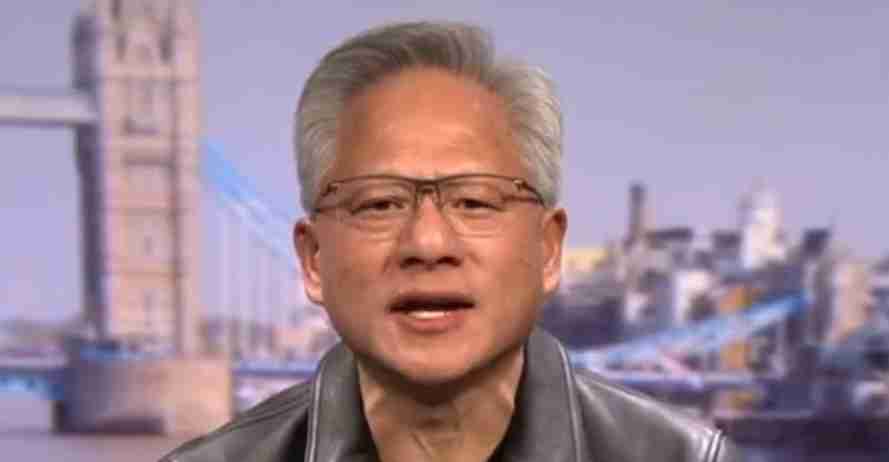
Nvidia’s Jensen Huang warns “China to win AI race,” blames Western regulation and “cynicism” for lagging edge
Nvidia CEO Jensen Huang publicly warned China could surpass the United States in the AI race, citing cheaper energy, state subsidies and centralized policy — and blamed Western “cynicism” and fragmented regulation for slowing innovation.
- China’s advantages: Huang pointed to lower energy costs, state support and rapid policy action as drivers of Chinese AI scale (Financial Times reporting).
- Western constraints: He blamed Western “cynicism” and a patchwork of rules that risk fragmenting progress (OpenDataScience and Business Insider).
- Export controls debate: Huang warned chip export bans may accelerate China’s domestic chip push rather than contain it (Axios).
- Mixed expert view: Analysts disagree on timing; hardware and software hurdles remain even as China builds ecosystem strength (SCMP).
Huang’s warning: what he said and why it matters
Key message: Nvidia’s chief executive told reporters China is narrowing the gap with the West across AI development and infrastructure, arguing that systemic advantages — not just individual chips — matter.
He highlighted specific advantages: cheap electricity enabled by subsidies, large state-backed investments in chips and data centers, and centralized policies that allow projects to scale rapidly at national level (Financial Times reporting; OpenDataScience).
On energy costs: training modern models consumes vast power. Huang argued subsidies can make electricity far cheaper for Chinese model training, lowering operating expenses and enabling faster scale (Financial Times reporting).
On Western culture and policy: Huang criticized what he called a rising sense of “cynicism” about AI in the U.S. and U.K., and warned that multiple, differing state rules in the U.S. could create fragmentation — “50 new regulations” — that slow innovation (Business Insider; OpenDataScience).
Export rules and unintended consequences
U.S. policy limits exports of top-tier AI chips — including certain Nvidia models — to China for national security reasons. Huang warned these bans could backfire, pushing China to accelerate domestic chip development instead of keeping it dependent on imports (Axios; Financial Times reporting).
Those U.S. restrictions aim to prevent military or surveillance use of the most advanced chips, but Huang argued that isolation could shorten the time to parity by incentivizing domestic alternatives (Business Insider).
Where the gap still exists
Not all experts agree that China will overtake the U.S. quickly. Many point to persistent hurdles: top-end semiconductor equipment, complex chip manufacturing and advanced software ecosystems remain challenging. The debate is about the whole ecosystem — chips, data, software engineers and cloud — where China is building strength (Axios; SCMP).
Huang conceded China is sometimes only “nanoseconds behind America” in certain measures, but warned that small margins can vanish quickly with sustained investment and favorable policy (Financial Times reporting).
Industry and political backdrop
Nvidia’s ascent underscores AI’s central role in the global economy; the company recently hit market‑cap milestones that reflect investor faith in AI-driven growth (Indopremier / IPOT News; Axios).
U.S. policymakers, including the White House and recent statements by President Trump, have emphasized export controls as national security measures. Reporting ties Huang’s public warnings to a broader policy debate over balancing security and competitiveness (Benzinga; Axios).
What experts say
Coverage mixes alarm and caution. Financial and tech press treat Huang’s warning as credible given Nvidia’s central role in AI hardware and software (Financial Times reporting via Anews; Business Insider).
Other analysts emphasize remaining obstacles in semiconductor tools and deep software ecosystems; they expect China to narrow the gap but caution against assuming an immediate leapfrog (SCMP).
Implications for Utah
Economic impact
Utah’s tech economy could feel both pressure and opportunity. If China advances parts of the AI stack, U.S. firms may face stiffer competition, potentially slowing local suppliers. Conversely, federal incentives for domestic chipmaking, data centers and research could draw investment to Utah’s business parks.
Political consequences
Huang’s warning sharpens debates Utah conservatives follow: balancing national security with economic growth. State leaders may press for federal actions that combine security safeguards with incentives for domestic production and workforce training.
Social effects
A faster AI race could increase demand for skilled workers. Utah universities and colleges — including the University of Utah and Brigham Young University — may expand programs in computer science, electrical engineering and semiconductor training to meet employer needs.
Cultural relevance
Utah’s entrepreneurial and conservative culture may respond to Huang’s call for bolder policy: voters and businesses often favor strategic investment and job growth over heavy regulation, aligning with arguments for balancing competitiveness and security.
Practical applications for residents
- Job opportunities: Growth in demand for engineers, cloud operators, data‑center technicians and AI specialists if Utah attracts investment.
- Education and training: State colleges and high schools can expand STEM pathways and certifications.
- Local businesses: Suppliers of data-center services, cooling and industrial power may see new contracts.
- Policy engagement: Residents should watch federal export-control debates and state-level incentives.
Reporting sources and further reading
- Financial Times reporting via Anews
- Fox Business
- Indopremier / IPOT News
- OpenDataScience
- Axios
- Business Insider
- South China Morning Post
- Benzinga (context on export policy)
“The debate is less about a single chip and more about the full AI ecosystem — chips, data, software engineers, and cloud infrastructure,” analysts said, reflecting the mixed view of China’s trajectory (SCMP).
(Reporting and source links above provide the basis for Huang’s warning and the wider debate over AI competition between the U.S. and China. Utah policymakers, business leaders and voters will need to weigh national security against competitiveness as this issue develops.)