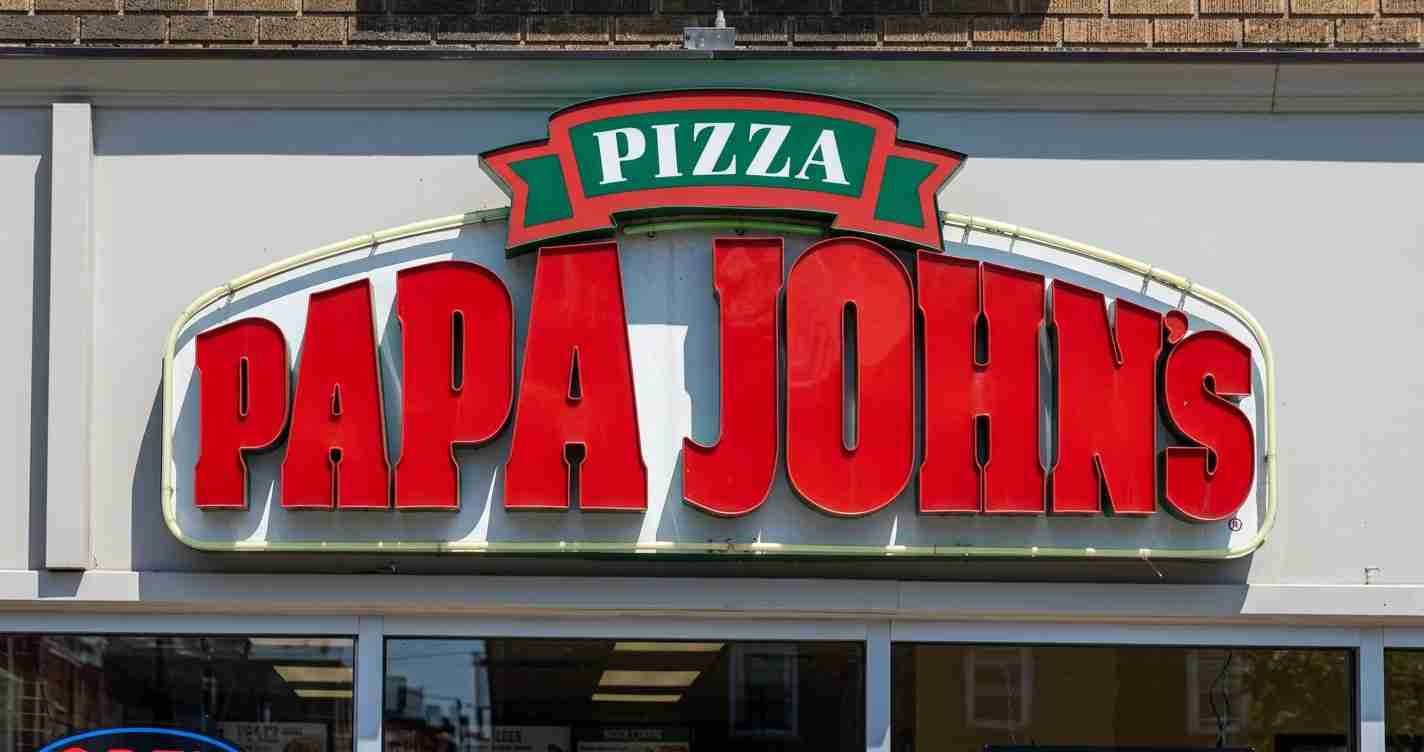
Papa Johns quietly disappearing from communities as chain moves to close 300 underperforming pizza stores across North American markets
Papa Johns plans to close about 300 underperforming North American restaurants by 2027 — roughly 200 this year — targeting older franchise units with low sales volumes as part of a broader cost‑cutting and “fleet optimization” effort.
- Scope: ~300 store closures by 2027, ~200 expected this year, focused on older, low‑AUV franchise units.
- Corporate impact: About 7% of corporate headcount cut; at least $25 million in non‑marketing savings targeted by 2027.
- Target profile: Franchise‑owned units over 10 years old with AUVs under $600,000 and negative four‑wall economics.
- Local effect: Quiet, staggered exits concentrated in Sun Belt states; nearby stores or competitors likely to absorb demand.
What is happening and the scope of closures
In February, Papa Johns unveiled a plan to shrink its North American footprint by roughly 300 restaurants by the end of 2027. Management says about 200 of those will close this year as the company reviews individual restaurants and coordinates with franchisees to wind down underperforming locations. Executives describe the program as a “fleet optimization” aimed at strengthening long‑term system performance rather than abandoning core markets.
Early filings and local reports indicate the process is already underway, with dozens of closures in the first quarter and concentrated activity in Sun Belt states such as Texas, California, Florida and Arizona, plus clusters in Michigan, North Carolina and Virginia. Independent media reviews and franchise filings corroborate the pattern. Source: Restaurant Dive, Fox Business, CBS News.
Which stores are being targeted
Company statements describe a narrow closure profile: primarily franchise‑owned stores that are more than 10 years old and generate average unit volumes (AUVs) below $600,000. Executives note some units show negative four‑wall income after rent and labor, and others lack a clear path to sustainable improvement. Where possible, the company says it will shift sales to nearby, higher‑performing stores rather than leave markets entirely. Source: Restaurant Dive.
Why management calls this “strategic” — fleet health, AUVs and franchisee viability
Executives frame the closures as surgical steps to improve system health. CFO Ravi Thanawala said removing chronically underperforming restaurants should raise system AUVs by at least 3% and free franchisees to concentrate on operational quality in remaining units. The company cites a similar U.K. program that yielded a 17% AUV lift as supporting evidence that the tactic can work. Papa Johns will continue selective openings while shifting toward a more asset‑light model. Source: Fox Business, Restaurant Dive.
Layoffs and broader cost cuts
The closures are part of a wider restructuring. Filings show corporate headcount was reduced by about 7% as the chain trims non‑customer‑facing costs and flattens management layers. Papa Johns told investors it expects at least $25 million in savings outside of marketing through 2027, with roughly $13 million targeted in 2026. CEO Todd Penegor framed the moves as aligning corporate resources with transformation priorities. Source: Nation’s Restaurant News, Restaurant Dive.
Performance backdrop: same‑store sales and refranchising
The plan comes amid softening North American same‑store sales while international markets improved. Papa Johns is accelerating a refranchising strategy to reduce company‑owned North American units to a mid‑single‑digit share of the portfolio. The company projects 40–50 gross new North American restaurants this year even as it shutters underperformers. Source: Nation’s Restaurant News, Restaurant Dive.
Menu moves and near‑term sales effects
To simplify operations and boost margins, Papa Johns is narrowing its menu. The chain plans to phase out Papadias and Papa Bites while focusing product development on sandwiches and sides with accessible price points. Management warns that menu pruning could pressure comparable sales in the near term but argues it will streamline operations and enable a stronger innovation pipeline later. Source: Nation’s Restaurant News.
Industry context: broader headwinds and competition
Papa Johns’ actions mirror wider trends across fast food and pizza sectors: rising food and labor costs, supply‑chain pressures, and shifting consumer tastes are pressuring unit economics. Rival chains — including Pizza Hut — have also closed hundreds of locations, and larger brands are reevaluating footprints and strategies. These moves reflect the difficulty of sustaining a large national footprint as consumer habits evolve.
Geographic pattern and the “quiet disappearance” from communities
Because most targeted closings are franchise operations, exits often occur quietly: leases lapse, owners shutter underperforming shops, and demand is absorbed by nearby units or competitors. Local filings and media reviews show closures concentrated in mature trade areas and older strip centers, especially in Sun Belt states. The pattern resembles targeted trimming of low‑performing locations rather than a sudden market retreat.
What management says happens next
Papa Johns says it will support remaining franchisees with simplified operations, targeted product launches, and a leaner corporate structure. Executives expect closures to lift AUVs, strengthen franchisee balance sheets, and enable reinvestment in priority markets. International growth is highlighted as part of a strategy to rebalance the system. Source: Restaurant Dive, Nation’s Restaurant News.
Implications for Utah
- Local availability and convenience: Utah neighborhoods with older, lower‑volume Papa Johns units could lose familiar late‑night or delivery options, especially in strip centers and aging corridors.
- Franchisee health and jobs: Closures may improve economics for stronger Utah franchisees by removing nearby underperformers, but affected stores will incur short‑term job losses and reduced hours.
- Real estate and landlords: Vacant storefronts could temporarily drag on strip centers; landlords will seek new tenants and faster leasing to food or service users.
- Competition and dining patterns: The exits may accelerate market share gains for local pizzerias, national rivals, or delivery‑first ghost kitchens in Utah.
- Prices and quality: Reduced network density can improve economics for remaining stores, potentially preserving affordable options over time despite near‑term disruptions.
Sources and reporting
Primary coverage and filings used in this article include: Restaurant Dive reporting on closures and layoffs; Fox Business coverage; CBS News overview; Nation’s Restaurant News on refranchising and cost savings. Additional context derived from local filings, franchise reporting, and trade coverage.
“The effort is intended to optimize the fleet and improve long‑term performance, not to abandon core markets,” company filings and executive commentary say.