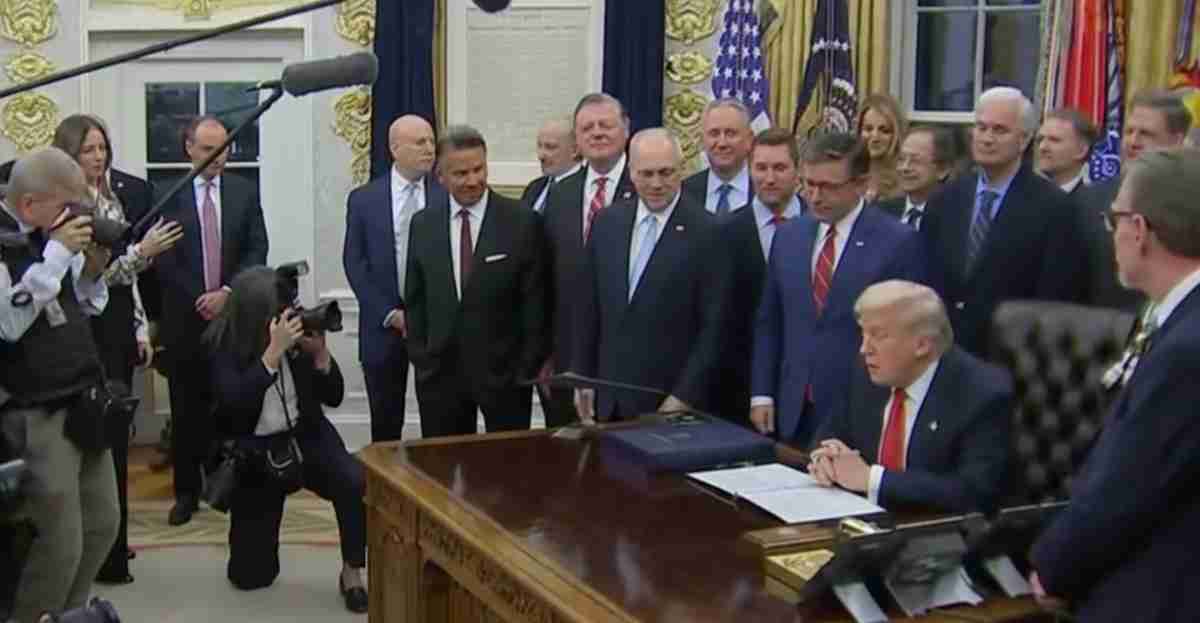
Trump signs stopgap bill; longest government shutdown ends as federal workers win immediate relief
President Donald Trump signed a stopgap bill Nov. 12, 2025, ending a 43-day federal government shutdown and restoring pay, jobs and short-term funding for key programs through Jan. 30, 2026, while Congress negotiates longer-term appropriations.
- Shutdown length: 43 days — the longest in U.S. history.
- House vote: 222 Yea, 209 Nay; stopgap funding keeps most agencies open through Jan. 30, 2026.
- Federal workers: Back pay guaranteed; dismissals reversed and employment protections through January.
- Food assistance: SNAP and related programs funded through the remainder of the budget year.
What happened, step by step
The shutdown began when Congress failed to pass full-year spending bills. For 43 days, many federal agencies operated at reduced levels: employees were furloughed or worked without pay, travel experienced delays, and community services slowed. Airports reported long lines and food banks saw increased demand.
Lawmakers advanced a stopgap funding bill through the Senate and then the House. The House approved the measure on Nov. 12 by a vote of 222 to 209. The President signed the bill shortly after the House vote, officially ending the shutdown and funding the government through Jan. 30, 2026. (Congressional records, Senate roll-call and White House statement cited below.)
What the bill does
- Keeps government open through Jan. 30, 2026, allowing agencies to resume normal operations on a temporary basis.
- Immediate funding for three annual spending bills to reduce near-term disruption for covered departments.
- Worker protections: Restores pay, reverses dismissals carried out during the shutdown, and guarantees back pay for affected service.
- Food assistance: Secures funding for key programs through the budget year to shield millions of recipients from interruption.
Impact on federal workers and families
Federal employees will see prompt financial relief. Back pay is authorized for furloughed employees and those who worked without pay. Terminations enacted during the shutdown will be reversed under the bill’s provisions for the covered period, restoring job and pay status.
Many workers reported missed mortgage and rent payments, depleted savings and harmed credit during the shutdown. While the stopgap measure does not erase all harms, guaranteed back pay and resumed salaries will help stabilize household finances. Unions and local officials described the move as necessary to restore normalcy.
Political response and blame
President Trump accused Democrats of forcing the shutdown for political reasons, calling their demands “extremist” in a White House statement released after he signed the bill. He said the shutdown “hurt hardworking Americans.”
“They forced this political fight that hurt hardworking Americans,” the White House statement said after the president signed the bill.
Democrats countered that they had pushed for protections and funding the administration resisted, and argued the shutdown underscored deep policy disagreements. The House vote — where only six Democrats supported the bill and two Republicans opposed it — highlighted partisan divisions and a narrow coalition for compromise.
Unilateral actions during the shutdown
Records show the administration took several unilateral steps during the shutdown to advance agenda items, including canceling projects and moving to dismiss some federal employees. The stopgap bill reverses many of those actions for the covered funding period and protects workers from further abrupt dismissals through January.
What happens next — the immediate calendar
- Government open through Jan. 30, 2026: Agencies will operate under temporary funding levels until Congress passes full-year appropriations.
- Negotiations restart: Lawmakers have about two months to craft a long-term funding package; budget committees will hold markups and hearings.
- Policy fights remain: Republicans signaled plans for a mid-December vote on certain health care subsidies, but outcomes are uncertain given narrow margins.
- Risk of another shutdown: Until Congress passes full-year appropriations or a longer continuing resolution, the potential for another lapse remains.
Implications for Utah
Economic impact
Utah hosts many federal employees and contractors — at installations such as Hill Air Force Base, the Department of Veterans Affairs and U.S. Forest Service. Resumed payrolls will help local retailers, landlords and service providers. Restored staffing at airports and transportation agencies should ease travel delays and benefit tourism as the holidays approach.
Food assistance funding will protect Utahns who rely on SNAP and related programs, reducing strain on state food banks and local charities.
Political consequences
Utah’s congressional delegation faces pressure to secure a fiscally responsible long-term budget. Conservative voters focused on limited government may view the shutdown as governance failure. Lawmakers who supported the stopgap will need to explain their votes to constituents who demanded policy wins.
Social and community effects
Federal workers in Utah who missed paychecks will begin receiving back pay, easing immediate financial pressures. Local social services and charities can expect relief as federal support resumes, and community morale should improve as uncertainty wanes for veterans and program recipients.
Practical next steps for Utah residents
- Federal employees: Monitor official guidance from agencies and the Office of Personnel Management (OPM) for details on back pay and reinstatement procedures.
- Veterans and benefit recipients: Check agency notices for timing of resumed payments.
- Small businesses and landlords: Seek local support programs or short-term assistance through chambers of commerce and state agencies if impacted by missed federal paychecks.
Source material and reporting notes
Reporting for this article relied on Times Media Service compiled reporting and official records from Congress and the White House, plus agency guidance on program funding and employee protections. Key official sources include:
- Congress.gov — bill text and congressional actions
- White House briefing room — presidential statements
- U.S. Senate roll call votes — Senate voting records
- Office of Personnel Management (OPM) — guidance on federal employee pay rules
- U.S. Department of Agriculture, Food and Nutrition Service — food assistance continuity
- Times Media Service reporting desk — compiled reporting used in this story
(Reporting — Times Media Service)