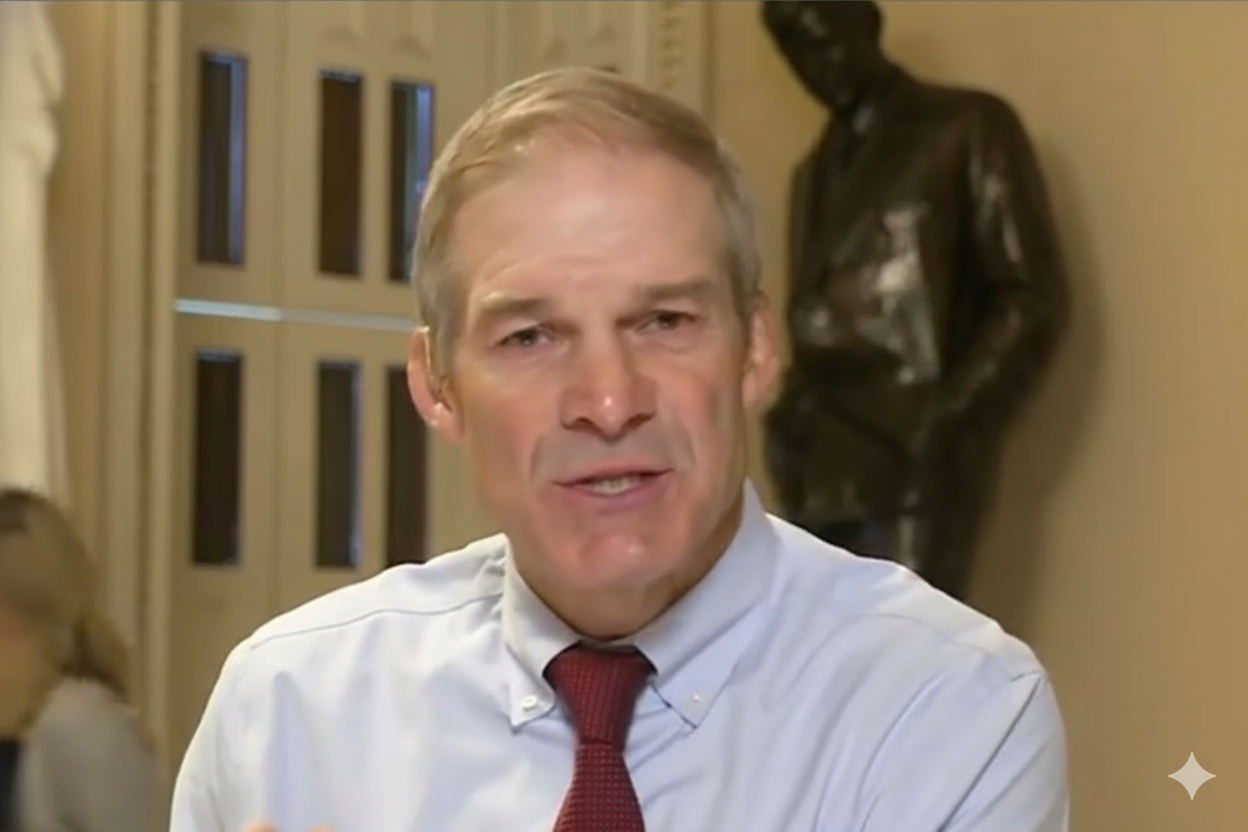
Biden DOJ Subpoenaed Jim Jordan Phone Records in 2022, Seeking More Than Two Years of Metadata
In 2022 the Department of Justice issued a subpoena for House Judiciary Chairman Jim Jordan’s personal phone toll records dating to Jan. 1, 2020, seeking metadata as part of the “Arctic Frost” phase of the January 6 investigation.
Key takeaways
- The subpoena requested “toll records” (phone metadata) for Jim Jordan back to Jan. 1, 2020, covering more than two years of call logs and routing data.
- The order was issued in 2022 and included a one-year gag provision that temporarily prevented disclosure while investigators built the case.
- No public evidence shows content was sought—reporting indicates the request targeted metadata, not call or message content.
- Verizon complied and later engaged with Congress about notification and transparency reforms related to such subpoenas.
What the subpoena sought and why it matters
The 2022 subpoena requested telephone toll records — commonly called metadata — for Representative Jim Jordan and several other numbers. Toll records generally show who called whom, when and for how long; they do not reveal the words spoken or the texts sent. That distinction has been central to debates about privacy and oversight because metadata can still reveal patterns of association, frequency and timelines of communications.
Public reporting shows the order reached back to Jan. 1, 2020, making it one of the broadest recorded requests tied to the Arctic Frost phase of the DOJ’s January 6 inquiry (Fox News).
Timeline and ties to the January 6 probe
The subpoena was issued in 2022 as part of an investigation identified in reporting as “Arctic Frost,” an early component of the broader DOJ work later associated with Special Counsel Jack Smith. Reporting indicates the prosecutor who signed the Jordan subpoena later joined the special counsel’s staff; Jack Smith himself was not at the DOJ when the subpoena was issued, joining roughly seven months later (Fox News; YouTube).
News accounts reported that phone records for other lawmakers — including communications connected to then-House Speaker Kevin McCarthy and several Republican senators — were sought during this phase, driving concern on Capitol Hill about the scope of data collection tied to the 2020 election and Jan. 6 certification efforts.
Legal and constitutional questions raised
Republican lawmakers and conservative legal voices characterized the subpoena as a potential overreach that risked encroaching on the separation of powers and on congressional protections. Critics cited the Speech or Debate Clause and argued that communications tied to legislative duties warrant special protections.
“The attempt to collect lawmakers’ records raises separation-of-powers concerns,” said critics who emphasized constitutional limits.
The DOJ and, later, Special Counsel Smith, defended the subpoenas as lawful and narrowly tailored, maintaining they sought material relevant to potential criminal wrongdoing and followed court procedures for obtaining non-content records (Fox News).
How records were handled and what telecoms told Congress
Verizon produced the records to the DOJ. Afterwards, Verizon and other carriers briefed House and Senate Judiciary Committee staff to explain subpoena handling and to discuss reforms for notifying members of Congress when records are sought. Those discussions have fueled legislative interest in notification protections and limits on how law enforcement obtains members’ communications (Fox News).
Public disclosures and the gag order
A notable feature of the court order was a one-year gag provision signed by a D.C. magistrate judge that prevented disclosure to Jordan while the investigation was active. Gag orders are commonly used to prevent subjects from alerting others and potentially obstructing investigative efforts. The order later became public through reporting and document releases, intensifying political debate.
Importantly, public evidence indicates the subpoenas sought call logs and routing information — not the content of calls or messages (AOL).
Political fallout and ongoing inquiries
Republican leaders described the subpoenas as partisan targeting and sought additional information from telecoms and the DOJ about what records were collected and how they were used. Reporting in late 2025 noted that Representative Jordan and other GOP lawmakers continued to press telecoms for materials they say were provided to the Smith team (Politico).
The episode has heightened oversight stakes: Jordan later became chairman of the House Judiciary Committee, a role with oversight responsibility over the DOJ, creating a high-profile dynamic where a subject of past subpoenas also leads congressional scrutiny of the Department.
Implications for Utah
Economic and legal trust: Utah residents and businesses rely on predictable law enforcement and clear privacy rules. Policymakers who favor limited government may view the subpoena’s breadth as a prompt to pursue stronger safeguards on how federal investigators collect metadata.
Political consequences: In a deeply conservative state like Utah, voters skeptical of federal investigations may see this as partisan overreach. Utah’s Republican leaders could use the episode to press for increased oversight and tighter rules on subpoenas for lawmakers’ records.
Social and cultural effects: Concerns about metadata — which can reveal patterns of association and movement even without content — may spur local debate about privacy protections and encourage civic groups to demand transparency from carriers and the government.
Practical applications: Utah residents worried about privacy can contact their representatives, advocate for notification requirements from telecoms, and support federal efforts to require timely notice to lawmakers when their records are sought. Utah’s legal community may respond with briefings and model legislation balancing investigative needs with constitutional protections.
Sources and reporting
This article draws on public reporting and released documents. Key sources include Fox News, public video documentation on YouTube, summary coverage from AOL, and later reporting on congressional efforts to obtain telecom materials from Politico.
Reporting based on Times Media Service compilation of public documents and news reports.