Afghan Evacuee With U.S. Ties Charged After White House-Area Shooting; Questions Raised Over Vetting of Allies
A November 26, 2025, shooting near the White House left two National Guard members critically injured; suspect Rahmanullah Lakanwal, a 29-year-old Afghan evacuee with prior U.S. military and intelligence ties, is under FBI investigation for possible international terrorism.
Key takeaways
- Two National Guard members were critically wounded in a November 26, 2025, shooting near the White House.
- Suspect Rahmanullah Lakanwal, a 29-year-old Afghan evacuee with reported ties to U.S. Special Operations and intelligence partners, was detained at the scene.
- The FBI Washington Field Office is leading a probe treating the case as potential international terrorism while examining overseas contacts and social media activity.
- The incident intensified scrutiny of the vetting and resettlement process for Afghan allies evacuated under Operation Allies Welcome.
The shooting near the White House
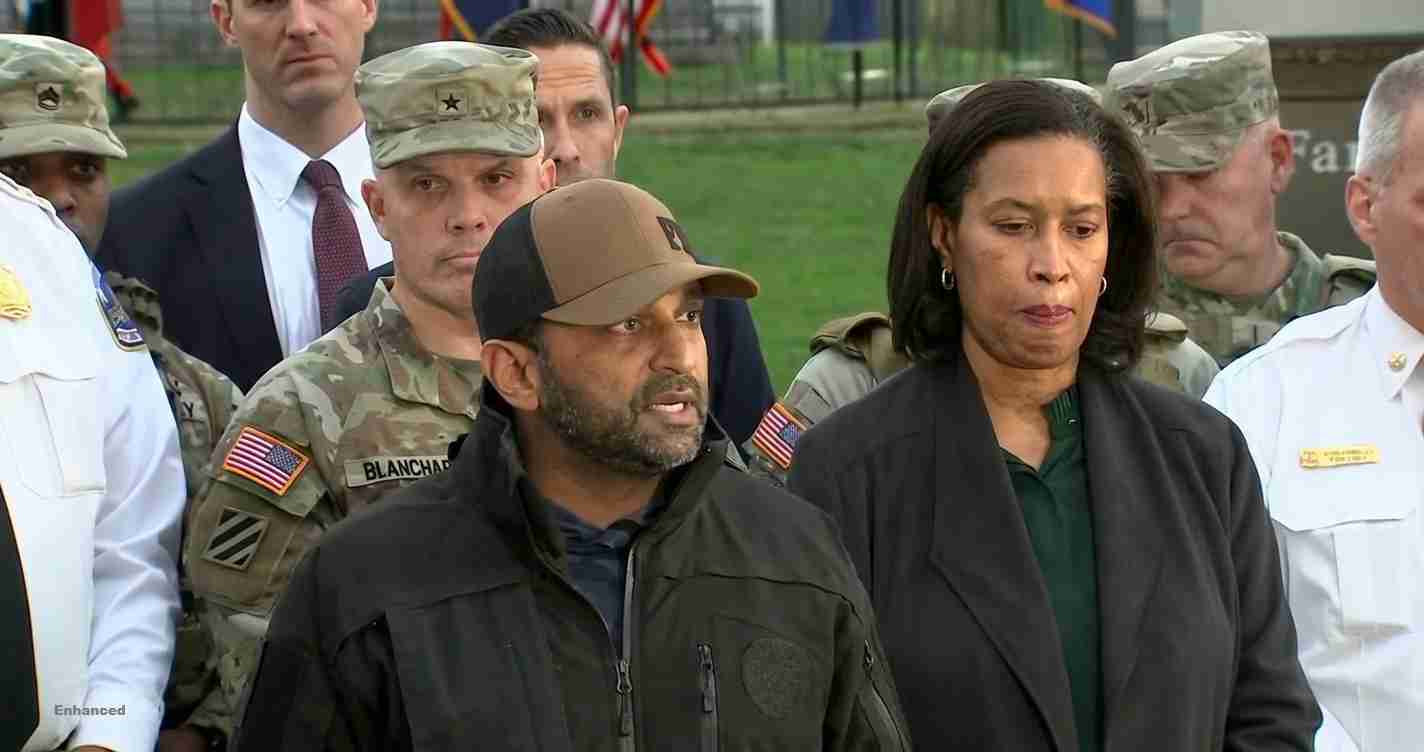
On the afternoon of November 26, 2025, law enforcement responded to shots fired in northwest Washington, D.C., near the White House. Two members of the National Guard were struck and transported to a hospital in critical condition. Responding officers detained a suspect at the scene; federal authorities later said the investigation was being treated as possible international terrorism. A video report captured the immediate response and statements from local officials, and national outlets provided additional context in follow-up reporting, including coverage by Time.
Who is Rahmanullah Lakanwal?
Law enforcement identified the suspect as Rahmanullah Lakanwal, 29, an Afghan national evacuated to the United States during Operation Allies Welcome in 2021. Reporting by the Times of India portrays him as someone who worked alongside U.S. forces in the final years of the Afghan conflict and who was born in Kabul in 1996.
Work history with U.S. forces and alleged CIA ties
Multiple reports describe Lakanwal as having served as a logistics coordinator for a U.S. contractor, supporting supply runs and operations with American Special Forces in provinces such as Helmand. Veterans and local reporting indicate he also worked with a CIA-backed partner unit in Kandahar known in reporting as the Kandahar Strike Force, operating from a base called Firebase GECKO alongside U.S. special operations. Former officials and veterans reportedly identified him as a badged member of that force, drawing attention because of the implication of direct collaboration with U.S. intelligence and special operations prior to evacuation (Times of India).
Humanitarian work and endorsements
Beyond security-related roles, Lakanwal’s public profiles list humanitarian work, including a post as Field Coordinator for the International Rescue Committee in eastern Afghanistan. Resettlement paperwork reportedly included endorsements from U.S. Marines he aided in 2019, praising his conduct and “courage under fire” — references that were reviewed during his asylum process (Times of India).
Immigration status and vetting questions
Lakanwal arrived in the U.S. in 2021 under Operation Allies Welcome. His asylum claim, filed in December 2024, cited fears of Taliban reprisal due to his work with U.S. forces. U.S. Citizenship and Immigration Services and interagency partners reportedly conducted biometric checks, interviews, and reviews before granting asylum and a work permit in April 2025. Officials say he had no prior criminal record in the United States; nonetheless, the attack has intensified scrutiny of screening and resettlement systems for Afghan allies (Time; Times of India).
Life in America before the incident
Neighbors in Alexandria, Virginia, said Lakanwal had become quieter over the past summer. Investigators reported finding social media activity of concern: a now-deleted X account shared anti-Western content, material favorable to the Taliban, and criticism of U.S. drone strikes. Authorities are examining potential contacts with overseas extremists, though as of reporting no confirmed foreign group affiliation had been publicly established (Times of India).
Government and public reaction
President Trump called the attack “a heinous assault,” “an act of evil and an act of hatred and an act of terror” and “a crime against our entire nation” and “a crime against humanity.”
The president’s comments underscore how attacks on service members on U.S. soil become immediate national security and political issues. Veterans’ groups reacted with shock and mixed emotions, noting the irony and pain of an individual once allied with U.S. forces now accused of attacking Guardsmen near the nation’s seat of government (Times of India).
Ongoing federal investigation
The FBI Washington Field Office is leading the probe, coordinating with federal partners to determine whether the suspect had ties to international terrorist organizations. Investigators are reviewing travel, communications, and contacts; local and federal prosecutors will determine charges as the inquiry continues. Officials caution the public that the investigation remains active and that no specific external group has been publicly confirmed (video report and statements).
Implications for Utah
Though the incident occurred in Washington, the fallout may reverberate in states like Utah with significant veteran populations and defense contracting communities. Possible local consequences include:
- Economic impact: Tightened vetting or slower resettlement could affect employers reliant on federal contracts and timely hiring of cleared contractors.
- Political consequences: The case is likely to intensify debate among Utah conservatives over immigration policy and vetting standards, prompting calls for stricter oversight.
- Social effects: Afghan communities resettled in Utah may face unease and potential stigmatization; local leaders and faith groups may need to increase outreach and support.
- Practical steps: Public safety agencies and community organizations should review resettlement practices, information-sharing with federal partners, and readiness for any policy changes affecting background checks and clearances.
Source links
- Time: National Guard shooting near White House, reporting and context
- Times of India: Inside the life of Rahmatullah Lakanwal
- Video report: Video report and statements from local agencies and FBI
Reporting is based on official statements, federal agency briefings and media reporting available at the time of publication. The investigation is ongoing and authorities continue to provide updates.