Senate passes FY26 NDAA; $901B bill includes military pay raise, sweeping defense acquisition reform as Trump prepares to sign
WASHINGTON — The U.S. Senate approved the FY26 National Defense Authorization Act 77-20, authorizing about $901 billion in defense policy and programs, including a nearly 4% military pay raise and sweeping acquisition reforms as President Trump prepares to sign.
Key takeaways
- Senate vote: 77-20 (bipartisan). Sources: Breaking Defense, Politico.
- Total authorized: about $900.6 billion to $901 billion — roughly $8 billion above the White House request. Source: Breaking Defense.
- Major provisions: nearly 4% pay raise, sweeping defense acquisition reform, funding for Ukraine and the Baltic states, and measures to scale back some overseas force commitments. Sources: Breaking Defense, The Jerusalem Post, Politico.
- Authorization vs. appropriation: The bill authorizes programs; separate appropriations action is required to provide final funding. Sources: Breaking Defense, Politico.
What the NDAA authorizes
The FY26 NDAA is a broad defense policy bill that sets priorities for the Pentagon and the Energy Department’s nuclear programs. Lawmakers included several high-profile items that will affect operations, procurement, allies, and domestic defense industry activity.
Military pay raise
Nearly 4% authorized pay increase: The bill authorizes a roughly 4% pay raise for active-duty troops and many uniformed personnel, a measure leaders emphasized as essential for recruitment and retention. The authorization signals Congress’s intent; actual pay changes depend on appropriations.
Source: Breaking Defense.
Defense acquisition reform
Largest overhaul in decades: Lawmakers put forward sweeping changes intended to speed weapons production, deliver new technology to troops faster, and better leverage private-sector innovation. Senate Armed Services Committee Chairman Roger Wicker (R-Miss.) called the package a monumental achievement
for confronting 21st-century threats.
“A monumental achievement” — Senate Armed Services Committee Chairman Roger Wicker (R-Miss.).
The reforms reshape contracting rules, streamline approvals, and create incentives for quicker fielding of systems, with an emphasis on reducing bureaucracy and increasing competition among suppliers.
Reporting: Breaking Defense.
Foreign aid and limits on overseas force posture
Security assistance and constraints: The NDAA advances aid for Ukraine and the Baltic states while adding provisions that scale back some U.S. overseas force commitments. These elements mix alliance support with new limits on long-term posture in Europe and elsewhere.
Sources: The Jerusalem Post, Politico.
Conservative priorities and policy riders
The package includes measures long sought by Republican leaders: codification of several Trump administration executive actions, repeal of Pentagon DEI initiatives, and other conservative policy changes. These riders helped build GOP support and enshrine administration priorities into law.
Coverage: Politico.
Transparency and accountability measures
Specific changes require sharing certain military footage and reporting to Congress — for example, provisions that mandate sharing boat strike videos with oversight bodies. Those requirements were adopted despite White House objections and reflect lawmakers’ push for increased oversight.
Source: Politico.
Legislative path and the president’s role
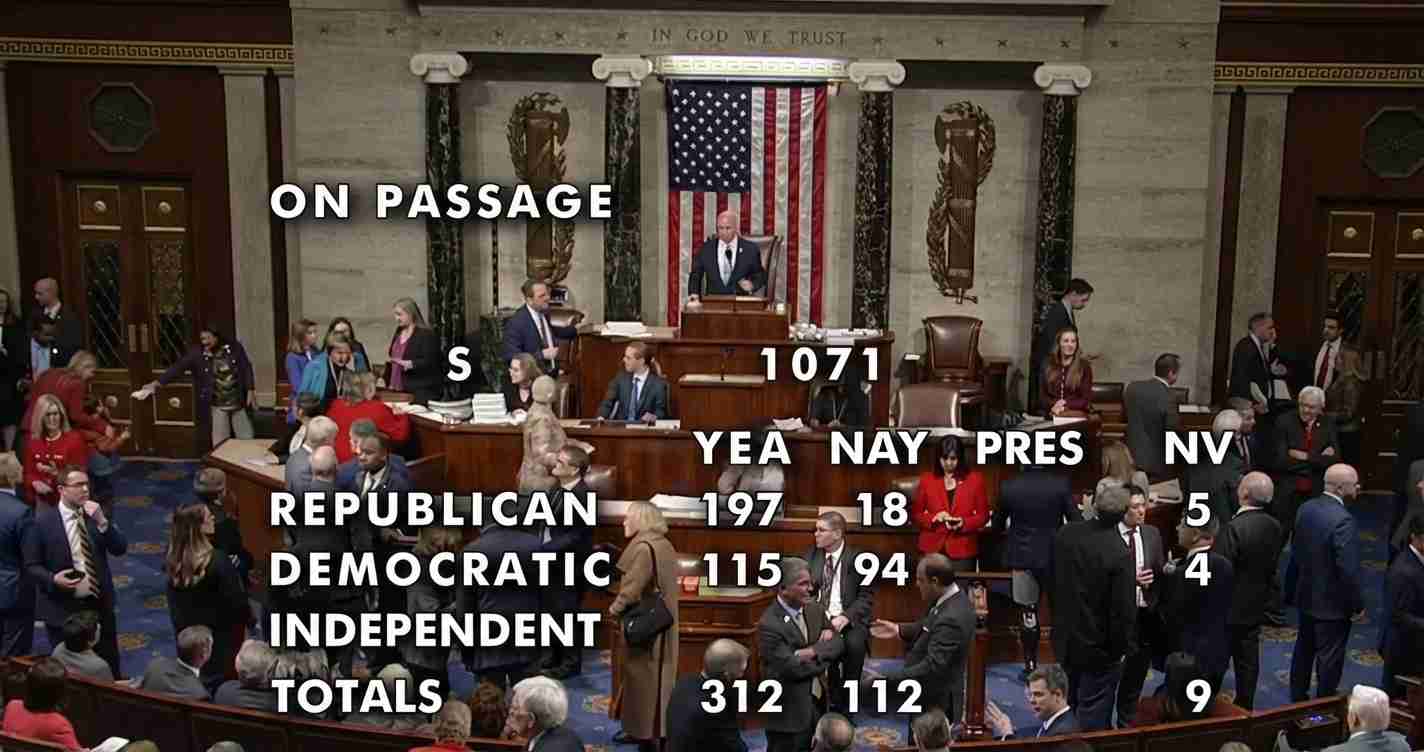
The House passed its version of the NDAA on Dec. 10, 2025. The Senate approved the negotiated bill 77-20 and sent it to President Trump for signature. While the NDAA authorizes programs and policies, separate appropriations bills must pass to fund them — meaning some specifics may change during the funding process.
Officials noted the measure totals about $8 billion above the White House request. Though the administration raised concerns about certain provisions, including Ukraine aid, senators reported that President Trump indicated he would “enthusiastically sign” the bill.
Sources: Breaking Defense, Politico, The Jerusalem Post.
Why acquisition reform matters to conservatives
For conservative readers — including those in Utah — acquisition reforms are central because they promise to reduce waste, speed delivery, and increase contractor accountability. Advocates argue streamlined acquisition will produce faster deployments, better oversight, and more competition that could lower costs over time.
Context: Breaking Defense.
The difference between authorization and appropriation
The NDAA establishes policy and authorizes spending levels, but Congress must still pass appropriations bills to release funds. That means timelines, amounts, and some program specifics can shift when appropriators allocate cash. The authorization, however, sets legal policy direction for the fiscal year.
Reporting: Breaking Defense, Politico.
Implications for Utah
Economic impact
Utah could see direct and indirect benefits: the state hosts major military installations and a growing defense-industrial base that compete for procurement and modernization contracts. Acquisition reform and increased procurement may create new opportunities for Utah companies supplying parts, services, and maintenance.
Military families and local communities
A nearly 4% pay raise matters to Utah households given the state’s high rate of military service and veteran population. Increased take-home pay can affect household budgets, housing, and local commerce near bases such as Hill Air Force Base.
Base operations and readiness
If acquisition reform accelerates production and fielding, local depots and maintenance facilities may receive more work. Funding for missile defense and other programs could increase activity at test ranges and proving grounds in Utah.
Political consequences
Utah’s conservative-leaning electorate and delegation typically emphasize strong defense with careful spending. The NDAA’s blend of higher spending, efficiency-focused acquisition reform, and some rollback of DEI initiatives will likely resonate with many Utah voters and officials.
Practical effects for residents
- Jobs: Potential contract awards and sustainment work that support local employment.
- Paychecks: Service members and families stationed in Utah may see increased take-home pay if appropriators fund the raise.
- Local businesses: Suppliers of parts, logistics, and services could see higher demand.
- Oversight: New transparency measures may change how operations near Utah bases are reviewed and reported.
Sources and further reading
- Breaking Defense: “Senate passes $901B defense authorization bill with major acquisition reform push”.
- Politico: “Senate passes NDAA with boat strike video, other contentious provisions”.
- The Jerusalem Post: Coverage of foreign aid and Baltic funding provisions.