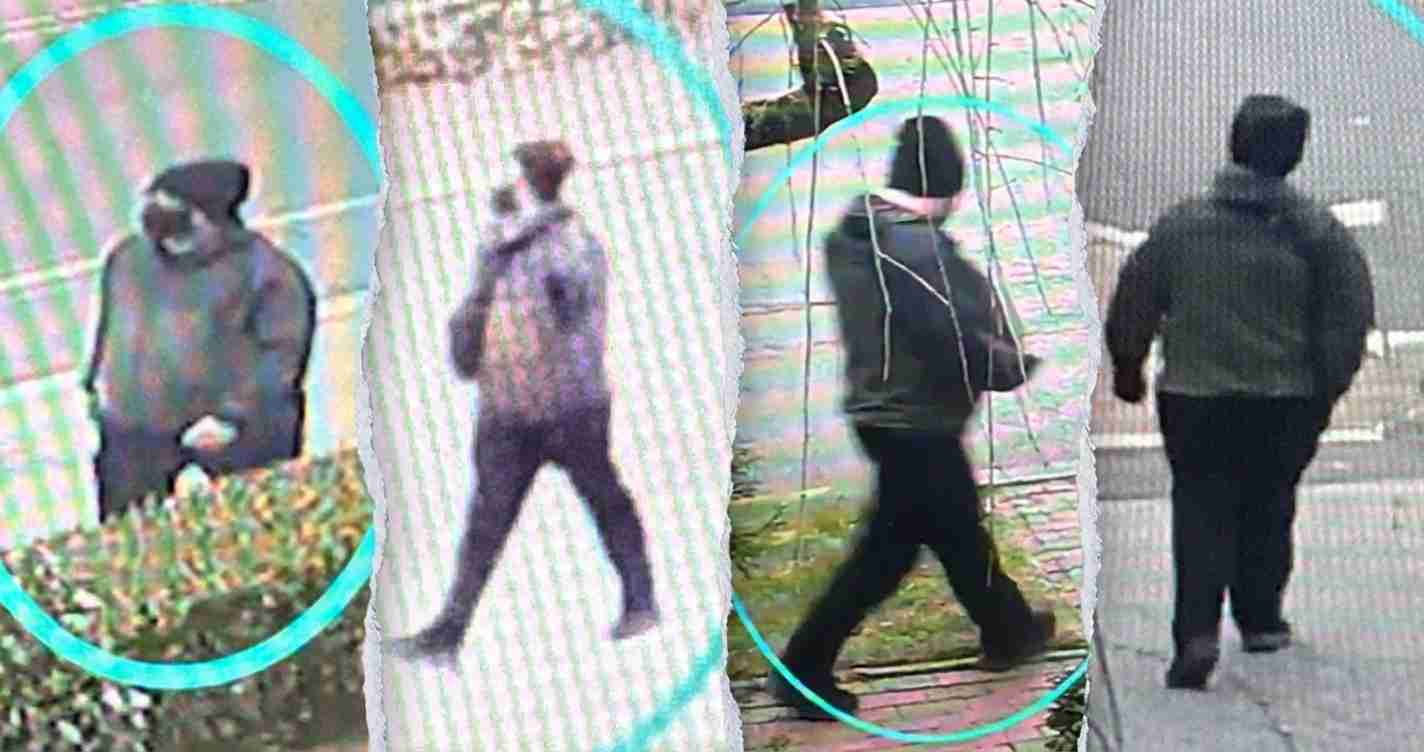
Claudio Manuel Neves‑Valente identified as Brown University and MIT shooting suspect
Claudio Manuel Neves‑Valente, a former Brown University student, has been identified as the suspect in shootings that killed two Brown students and MIT professor Nuno Loureiro; officials say he was found dead in a Salem, New Hampshire storage unit.
- Suspect identified: Claudio Manuel Neves‑Valente, 48, a Portuguese national and former Brown physics student (CBS News).
- Fatalities: Two Brown students killed Dec. 13, 2025; MIT professor Nuno Loureiro shot Dec. 15 and died Dec. 16 (CBS News).
- Suspect found dead: Located with a self‑inflicted gunshot wound in a Salem, New Hampshire storage unit on Dec. 18; agents recovered two firearms (CBS News).
- Investigation closed: Officials say evidence links Neves‑Valente to both attacks and no other suspects are being sought (CBS News).
Incident details
Brown University attack: On Saturday, Dec. 13, law enforcement say a gunman opened fire inside a classroom at Brown University in Providence. Two students were killed and nine others were wounded, officials reported. Investigators used security camera footage and other records to trace a vehicle and the person they say carried out the attack (CBS News).
MIT professor shot: Two days later, on Monday, Dec. 15, MIT professor Nuno Loureiro, 47, was shot multiple times at his home in Brookline, Massachusetts. He was taken to a hospital and died the next day. Authorities say security footage and other evidence connected the Brown shooting and the attack at Loureiro’s home to the same suspect (CBS News).
Suspect background
Identity and history: Officials identified the suspect as Claudio Manuel Neves‑Valente, a 48‑year‑old Portuguese national who previously studied physics at Brown University. Brown President Christina Paxson said Neves‑Valente enrolled in fall 2000, took a leave of absence in April 2001 and withdrew in July 2003 (CBS News).
Investigators reported Neves‑Valente entered the U.S. in 2017 after winning a green card in the visa lottery and was last known to live in Miami, Florida. He and Professor Loureiro share a Portuguese background and attended the same university in Lisbon in the late 1990s, suggesting they may have known one another. Loureiro directed work at MIT’s Plasma Science and Fusion Center and specialized in fusion energy research (CBS News).
Timeline and investigation
Investigators outlined a chain of activity tying Neves‑Valente to multiple locations in New England in the weeks before the attacks. Officials say identification relied on security footage, hotel surveillance, rental car records and financial traces linking Neves‑Valente to a gray Nissan Sentra seen near Brown and elsewhere (CBS News).
- Late November: Neves‑Valente stayed in a Boston hotel (CBS News).
- Dec. 1: He rented a gray Nissan Sentra with Florida plates in Boston; the car was seen near Brown and in the area on several days leading up to Dec. 12 (CBS News).
- Dec. 13: Brown classroom shooting; records show the car returned to Massachusetts afterward (CBS News).
- Dec. 15: Neves‑Valente seen on video near Loureiro’s apartment area and later entering a storage unit in Salem, New Hampshire (~an hour later) (CBS News).
Discovery at Salem NH storage unit
Search and finding: Federal agents breached the Salem, New Hampshire storage unit about 9 p.m. on Dec. 18 during a search for Neves‑Valente. Inside they found him with a self‑inflicted gunshot wound, along with a satchel and two firearms. Agents said he wore the same clothes seen on footage after the Brookline attack. Officials said they were “100% confident” the suspect was dead and closed the case (CBS News).
“We are 100% confident the suspect was dead,” officials said after the discovery in Salem.
Discovery and motive
No established motive yet: Authorities have not announced a motive. Rhode Island Attorney General Peter Neronha said investigators do not yet know why Neves‑Valente attacked Brown, targeted specific students, or chose that classroom. The relationship between Neves‑Valente and Professor Loureiro remains under review; investigators have not linked the attacks to a broader conspiracy (CBS News).
Investigators will continue to analyze records, digital data and other evidence to understand what led to the violence and will share findings with university communities and law enforcement partners (CBS News).
Implications for Utah
Public safety and law enforcement readiness
Cross‑jurisdiction threat: The multi‑state nature of the attacks underscores how quickly a lone attacker can strike across state lines. Utah officials should review and fund rapid interagency cooperation, data sharing and protocols for sharing video, rental car data and financial records with federal partners.
Campus security and university policy
Families and trustees may press Utah colleges for increased physical security at lecture halls, clearer emergency communications and monitoring of suspicious vehicle activity near campus buildings. Conservative communities often favor local control and targeted safety investments.
Immigration and vetting debates
Neves‑Valente entered the U.S. in 2017 via the visa lottery; while investigators have not tied the attacks to immigration policy, this fact may feature in state‑level debates about background checks and interagency information sharing.
Campus mental health and counseling resources
Mass violence raises questions about mental‑health supports. Utah policymakers may prioritize expanded counseling services and community programs to identify and assist people in crisis while balancing privacy and due process.
Gun policy and local control
The shootings will reignite discussions on gun policy. In Utah, leaders typically favor measures emphasizing enforcement and reporting across jurisdictions while protecting lawful gun ownership.
Community and cultural impacts
The victims include students and a respected professor with ties to Portugal and top U.S. universities. Local leaders and faith communities may respond with vigils, outreach and efforts to reassure families. Conservative communities often leverage neighbor‑to‑neighbor care and volunteer networks.
Practical steps for Utah institutions and residents
- Universities should review emergency response plans, site security and vehicle monitoring near campus buildings.
- Law enforcement should audit information‑sharing agreements with federal partners and regional neighbors.
- Parents and students should know campus alert systems and review available safety resources.
- Community mental‑health providers and faith organizations can coordinate to expand outreach and crisis intervention.
- State leaders can examine reporting systems for suspicious activity while respecting civil liberties.
Note: All reporting in this article is based on statements from law enforcement and university officials and the public reporting of investigators. For detailed source material and the timeline of events, see CBS News.