Trump Orders Christmas Day Airstrikes on ISIS in Nigeria, Citing Attacks on Christians
U.S. forces carried out surprise airstrikes against ISIS targets in Nigeria on December 25, 2025, ordered by President Donald Trump, reportedly killing multiple militants with Nigerian intelligence support amid concerns over attacks on Christians and civilians.
Key takeaways
- Christmas Day strikes: U.S. forces struck ISIS-linked targets in Nigeria on Dec. 25, 2025, following an order from President Trump, according to reporting by NBC News video report.
- Casualties and cooperation: Officials say the strikes killed multiple militants and used intelligence shared by Nigerian authorities (NBC News video report).
- Timing and messaging: Analysts and some officials suggested the Christmas timing was chosen to send a message to groups accused of targeting Christians (PBS NewsHour analysis).
What happened and why it matters
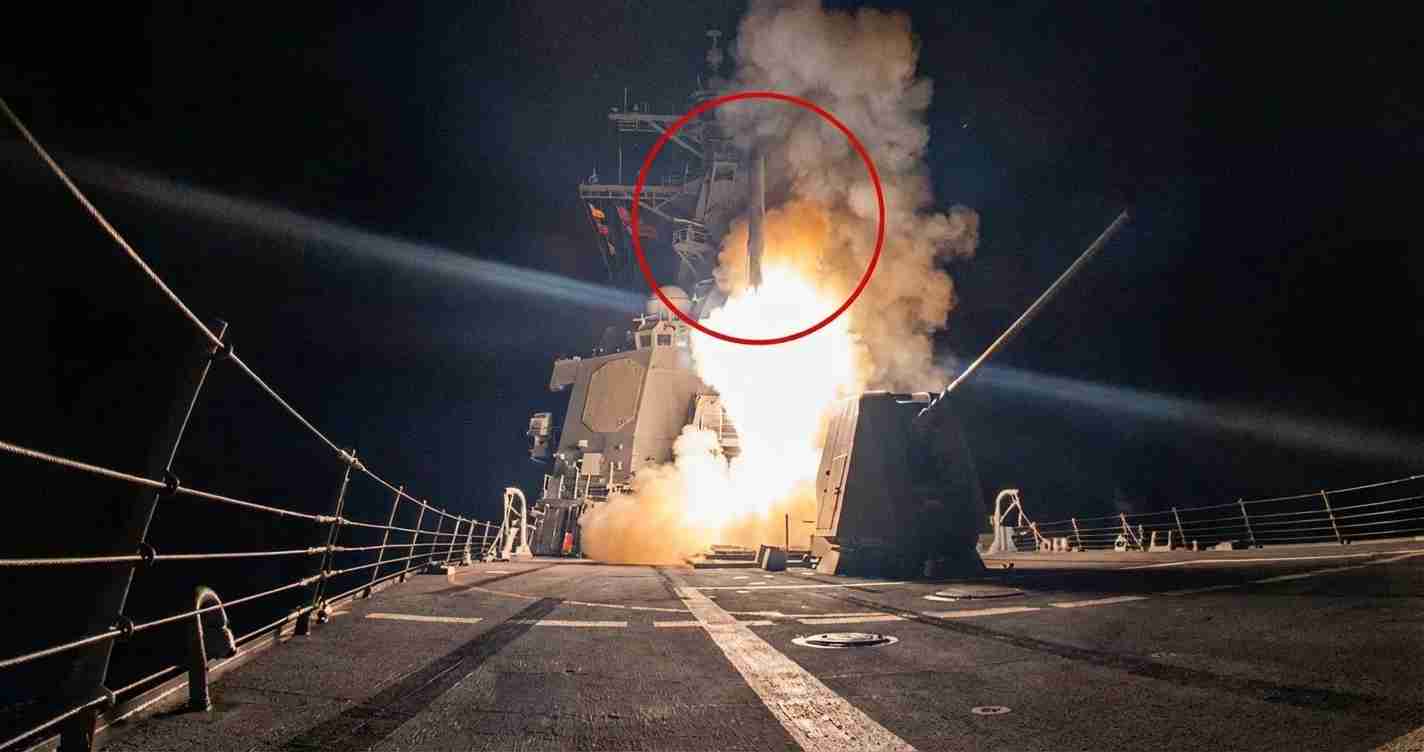
Action: On Christmas Day, U.S. military aircraft struck locations tied to ISIS in Nigeria after President Trump ordered the operation. Officials described the strikes as aimed at degrading the group’s ability to carry out attacks and protecting vulnerable civilians.
Coordination: U.S. forces reportedly planned the strikes using intelligence provided by Nigerian authorities to enable precision targeting. Reporting describes the action as a direct response to persistent attacks on civilians, including Christians, in areas where ISIS-affiliated groups operate (NBC News video report).
“A clear message”: Analysts and former diplomats told reporters the timing — on Christmas Day — was intended to send a message to militants accused of targeting Christians, according to PBS NewsHour analysis.
What Nigerian officials said
Nigerian authorities welcomed U.S. assistance and described their role as providing critical on-the-ground intelligence to enable precision strikes. At the same time, Abuja pushed back on characterizations that frame the conflict solely as religious, stressing the violence affects many communities.
That nuance, officials said, matters for domestic stability and efforts to avoid inflaming religious divides while cooperating on counter‑extremism operations (NBC News video report).
Verification and limitations
Confirmed: Video reports from major outlets include statements from U.S. and Nigerian officials indicating the strikes took place and were coordinated. They report multiple militants were killed but provide limited granular detail on munitions or exact casualty counts (NBC News video report).
Limits: Some specific quotes attributed to the president in social posts or briefings — such as exact phrasing threatening “many more dead terrorists if slaughter of Christians continues” — were not independently verified in available reporting. NBC’s coverage characterizes those statements as part of a pattern of warnings rather than reliably sourced verbatim quotes (NBC News video report).
Risk note: Analysts caution that even precise airstrikes carry risks of civilian harm and may change militant tactics, underscoring that military action alone rarely solves deep-rooted instability (PBS NewsHour analysis).
Context: U.S. policy and previous actions
The Nigeria strikes followed a period of stepped-up U.S. actions against extremist threats in multiple regions. Coverage notes the operation came after previous U.S. strikes on ISIS in Syria and other actions tied to regional tensions, framing the Nigeria strikes as part of a broader pattern of forceful steps against groups seen as threats to civilians and U.S. interests (NBC News video report).
Voices and reactions
U.S. officials: National security aides described the strikes as necessary to protect civilians and hold violent extremists accountable.
Nigerian response: Abuja expressed appreciation for intelligence sharing while urging careful coordination to limit local backlash.
Expert view: Former diplomats and analysts interviewed by PBS emphasized that while strikes can disrupt militants, long-term stability requires political solutions, governance improvements, and development alongside security measures (PBS NewsHour analysis).
Implications for Utah
Economic: Direct economic effects in Utah are likely limited, though military families and defense contractors may feel indirect impact if operations expand.
Political: The strikes and their framing as protection for Christians will resonate with many Utah conservatives and faith communities, shaping local political reactions and statements from elected leaders.
Social and cultural: Utah’s faith-based communities may respond with sympathy, humanitarian efforts, or vigils; leaders may press for aid and refugee assistance in response to reports of attacks on Christians.
Practical: Local veterans’ groups, aid organizations, and state officials may be asked to coordinate support for military families or relief efforts if requests for assistance emerge.