Ocala man sues Outback Steakhouse after handicap toilet allegedly shatters, seeks $50,000 in damages
An Ocala man sued Outback Steakhouse seeking $50,000 after a handicap toilet at the restaurant allegedly shattered and collapsed beneath him, causing serious injuries and what he describes as permanent loss of an important bodily function.
Key takeaways
- Plaintiff: Michael Green, Ocala resident. Source: Ocala-News and iHeart/Mix92.3.
- Allegations: The handicap toilet “was not properly secured to the floor,” creating an “unreasonably dangerous condition to members of the public.”
- Damages sought: $50,000 for bodily injuries, alleged permanent scarring, and loss of an important bodily function.
What the lawsuit says
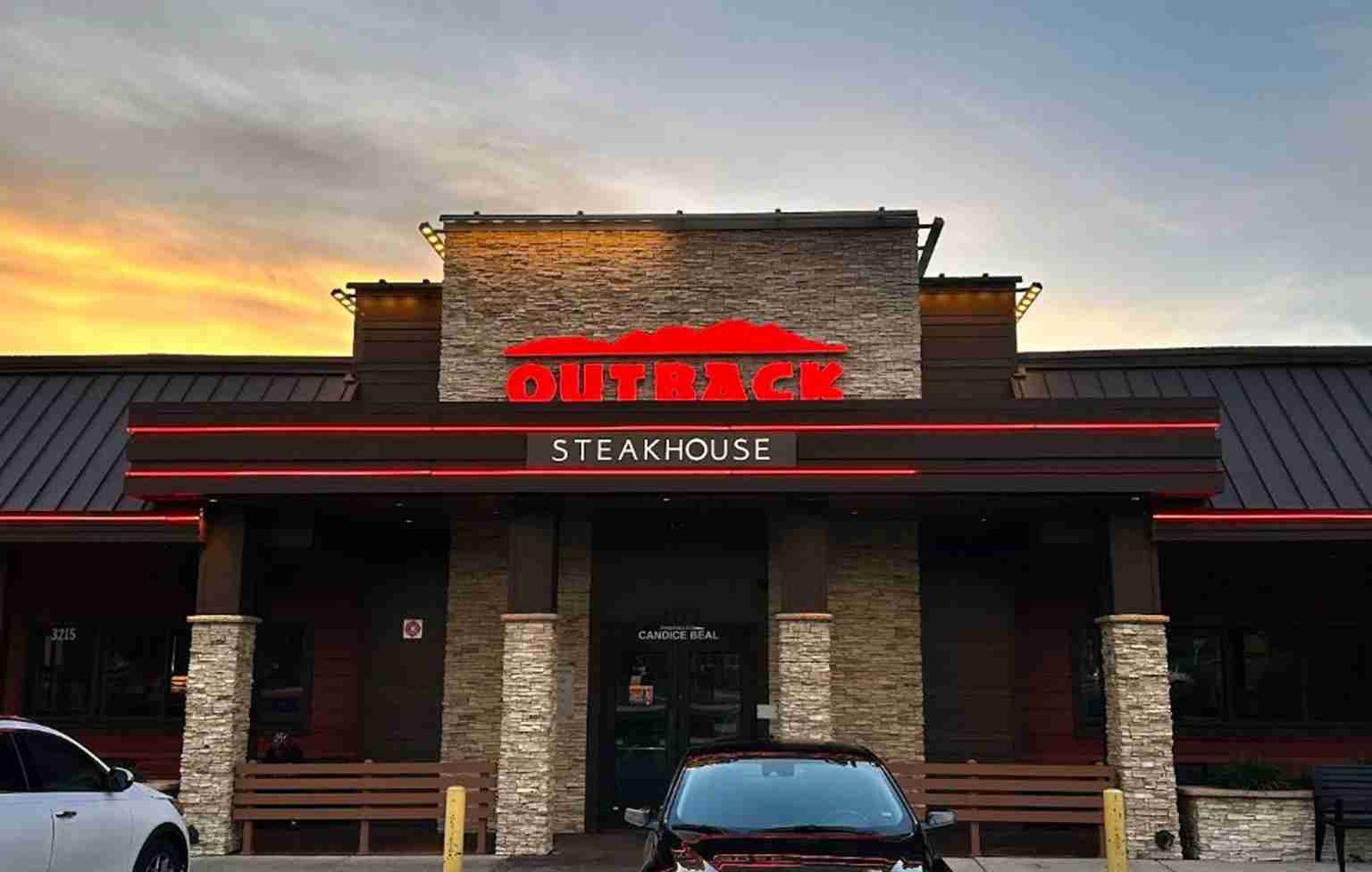
According to local court records cited in news reports, Green was using the handicap-accessible restroom at the Outback Steakhouse in Ocala when the toilet “suddenly shattered and collapsed,” allegedly causing him to fall and sustain serious bodily harm.
He claims “significant and permanent loss of an important bodily function,” “permanent and significant scarring,” and “loss of capacity for the enjoyment of life.”
The suit frames those items as standard Florida personal-injury damage categories and is summarized in local reporting; full filings are referenced in the local coverage from Ocala-News and iHeart/Mix92.3.
Negligence and premises liability claims
Green’s complaint centers on negligence and premises liability. He alleges the restaurant failed to keep the handicap toilet properly installed and maintained, creating an “unreasonably dangerous condition to members of the public.”
Under Florida law, businesses owe a duty to maintain safe premises for customers. The suit claims Outback breached that duty by allowing the fixture to remain unsecured or unsafe; local reporting cites the complaint and summarizes those allegations. See local coverage.
No reported public comment from Outback
Local stories do not report a public statement from Outback Steakhouse about the incident or the lawsuit. Corporate responses to pending litigation are often limited in the short term; the news reports and court filings cited do not include a company comment.
Incident in industry context
The Outback toilet lawsuit comes amid a period of reported financial strain and operational change for the chain, which reportedly closed 21 underperforming stores in early November and announced a “comprehensive turnaround strategy.” Local coverage notes that context as potentially relevant to maintenance and upkeep at franchise locations. Source: Mix92.3 / iHeartRadio.
The case also echoes other unusual restroom-related suits in Florida, such as a recent Dunkin’ lawsuit alleging a toilet “exploded” and exposed a customer to sewage and psychological harm requiring therapy — a reminder that maintenance failures can produce both physical and long-term claims.
Court status and next steps
As of the latest reports, court records confirm Green filed the lawsuit and set out his damages. There is no public record reported of a trial date, settlement, or court decision. Procedural developments will appear in county dockets and future news coverage. See reporting from Ocala-News and iHeart/Mix92.3.
Questions raised by the incident
- Maintenance and inspection: Was the fixture installed and inspected to code? The complaint alleges it was not properly secured.
- Corporate oversight vs. franchise responsibility: Who is responsible for capital maintenance at the Ocala location — corporate or a local franchisee?
- Safety for disabled patrons: The suit centers on a handicap toilet; accessibility fixtures are intended to protect vulnerable customers.
Reporting and sources
This article draws on local court reporting and coverage in Ocala-News and Mix92.3 / iHeartRadio, which summarized court filings and related context.
Implications for Utah
Economic impact: High-profile lawsuits against national brands can affect insurance premiums and operating costs across the restaurant sector, with potential downstream effects on jobs and consumer prices in Utah.
Legal and regulatory consequences: Utah enforces building and health codes; incidents tied to faulty fixtures — especially those harming disabled patrons — can prompt scrutiny from local health departments and building officials.
Public safety and accessibility: Utah restaurants and venues should recheck ADA-accessible fixtures to ensure they meet code and are securely mounted; failure that injures disabled patrons raises regulatory and reputational concerns.
Practical steps for Utah residents and business owners
- Customers: Be cautious and report visible hazards to management immediately; keep a record (photos, timestamps) if possible.
- Business owners/operators: Review maintenance and inspection logs regularly, especially for ADA fixtures; verify contractors carry insurance and provide receipts.
- Local officials: Ensure inspections are timely and records are accessible for rapid review after incidents.
Policy and political angle
For conservative policymakers in Utah, the Ocala incident highlights a balance between protecting consumers and avoiding burdensome new regulations. Targeted enforcement of existing codes and clear liability standards can hold negligent operators accountable without imposing broad mandates on small businesses.
Ongoing coverage
This report is based on local court filings and news coverage cited above. Future developments — including any response from Outback Steakhouse, settlement talks, or court rulings — will be reported as they appear in county dockets and local reporting: Ocala-News and Mix92.3 / iHeartRadio.