Jack Smith defends Trump prosecutions in 8-hour House testimony, rejects political motive claims
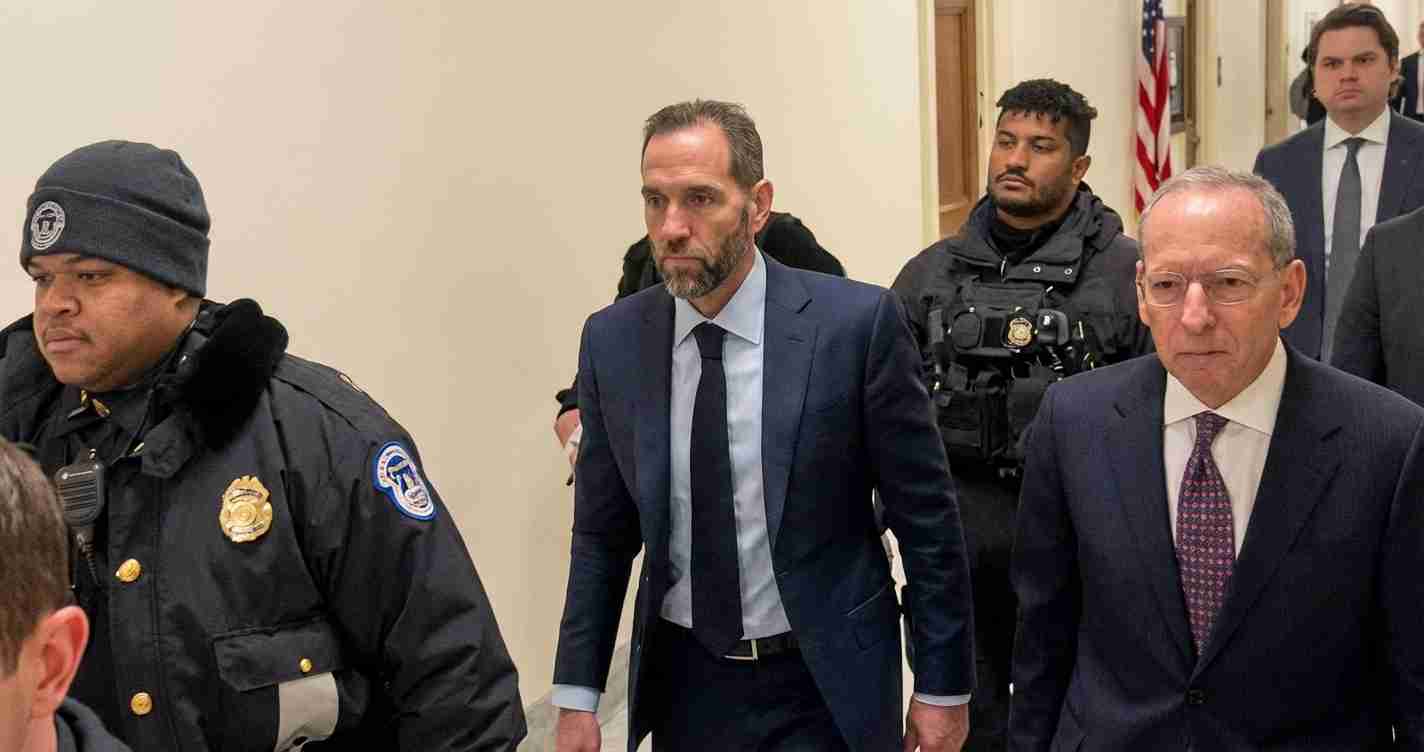
Special Counsel Jack Smith defended his prosecutions of former President Donald Trump during an eight-hour closed-door deposition before the House Judiciary Committee on Dec. 17, asserting his decisions were apolitical and blaming Trump for the January 6 attack.
- Eight-hour deposition: Smith testified behind closed doors on Dec. 17; the committee later released the transcript and video.
- Impartiality: He said prosecutorial choices were made “without regard” to Trump’s politics or 2024 candidacy (ReadTPA, MTPR).
- January 6 responsibility: Smith described Trump as largely responsible and said the attack “does not happen without him.” (ReadTPA, MTPR).
- Investigative methods: He confirmed collecting limited Senate call timestamps and defended that step (MTPR).
Background and context
Appointment and scope: Jack Smith was appointed by then-Attorney General Merrick Garland in 2022 to lead two major probes tied to former President Trump: efforts to overturn the 2020 election and the handling of classified documents at Mar-a-Lago. Smith later brought charges in both matters. The Dec. 17 deposition before the House Judiciary Committee lasted about eight hours and was conducted behind closed doors; the committee released the transcript and video this week.
Smith’s claim of impartiality
A central theme of Smith’s testimony was that his office acted without political bias. He told lawmakers his decisions were made, in his words, “without regard to President Trump’s political association, activities, beliefs, or candidacy in the 2024 presidential election.” Smith said he would have been “perfectly comfortable” declining prosecution if facts and law did not support charges, and he rejected suggestions his work aimed to hurt Trump politically (ReadTPA, MTPR).
“I absolutely would” prosecute a former president on the same facts today, Smith said, adding he had never prosecuted someone he did not believe was guilty.
On Trump’s role in January 6
Smith described Mr. Trump as, “by a large measure, the most culpable and most responsible person in this conspiracy.” He told the committee the attack was foreseeable, was exploited by the former president, and that the evidence showed Trump “caused it” — concluding the event “does not happen without him.” (ReadTPA, MTPR).
Investigative methods and Republican questions
Senate phone records: Republicans pressed Smith on tactics; he confirmed his team collected timestamps of calls between lawmakers and Trump aides around Jan. 6 but said the records did not include call contents and were collected in response to post-Jan. 6 contacts (MTPR).
Personnel and witness safety: Smith recounted removing an FBI agent after seeing a private email dispute about Jan. 6 and warned that witness intimidation is “probably the most corrosive thing that can happen to the rule of law,” citing prior cases even involving murder investigations where witnesses were killed (ReadTPA).
Public hearing request and political pushback
Smith said he had requested a public hearing but Republicans denied the request; he said he wanted to speak publicly for the career prosecutors who worked on the cases and have been criticized by the former president and his allies. “I’m proud of the work that we did at the Special Counsel’s Office,” he told the committee (ReadTPA).
Potential personal legal exposure
When asked whether he would be surprised if a future Department of Justice under President Trump moved to indict him, Smith answered “No.” He pointed to public posts by the former president on Truth Social calling him a “deranged lunatic,” “psycho,” and “criminal,” which Smith said resembled calls for DOJ retaliation (ReadTPA).
Resignation and the report on election interference
Smith resigned in 2025, less than two weeks before Mr. Trump resumed the presidency, after completing a report he said showed enough evidence to convict Trump on election-interference charges. That report and Smith’s prosecutions remain central to debates about federal prosecutorial authority and how to handle investigations of former presidents (committee release).
Transcript release and transparency
The House Judiciary Committee released the transcript and video of Smith’s deposition following the Dec. 17 closed-door interview. The documents show extended, often heated exchanges between Smith and committee Republicans about methods, motives and conclusions, providing the public a fuller look at the special counsel’s rationale (transcript and video).
Implications for Utah
Economic impact: Utah’s economy is tied to national business confidence. High-profile legal fights involving a former president can create investor uncertainty and could shift regulatory or enforcement priorities affecting Utah firms, particularly in tech and defense contracting.
Political consequences: As a conservative state with a Republican delegation often skeptical of federal prosecutorial actions in political cases, Utah lawmakers may use the deposition to press for oversight of special counsels and clearer rules on investigations involving senior political figures — especially around the collection of legislative phone records (MTPR, ReadTPA).
Social and cultural effects: The testimony touches trust in institutions. Smith’s insistence on impartiality may reassure some Utahns, while others will view Republican scrutiny as evidence of overreach. Debates about fairness, witness protection and equal treatment under the law are likely to feature in local civic conversations.
Practical applications: Expect the deposition to shape campaign messaging and oversight demands ahead of upcoming elections; state Republicans may call hearings or resolutions, and voters can review the full deposition and video via the committee release to judge Smith’s answers for themselves (committee release).