FDD report warns Iran may have used chemical agents on protesters; U.N. urged to investigate
A coalition of rights groups is urging the United Nations to investigate credible allegations that Iran deployed chemical agents against pro-democracy protesters in January 2026, according to a new Foundation for Defense of Democracies analysis.
Key takeaways
- The FDD report highlights that Iran’s opaque chemical weapons program has received far less attention than its nuclear program — raising concerns about oversight and enforcement (FDD analysis).
- More than 30 human rights and civil society groups have asked the U.N. to open a formal inquiry into claims Iran used chemical agents against protesters in January 2026 (FDD analysis).
- Eyewitnesses reported agents that were more lethal than tear gas, with victims collapsing after exposure; independent reporting documents a heavy toll during mass violence on Jan. 8–9 (Iran International).
- If verified, use of chemical agents would violate the 1997 Chemical Weapons Convention, to which Iran is a party (FDD analysis).
Main reporting and analysis
What the FDD found
The Washington-based policy group released an analysis arguing that Iran’s chemical weapons capabilities have been largely overlooked by international policymakers. The FDD analysis says evidence and witness accounts suggest Tehran may have resorted to unconventional chemical agents during protests that began after nationwide unrest in December 2025.
FDD recommendations
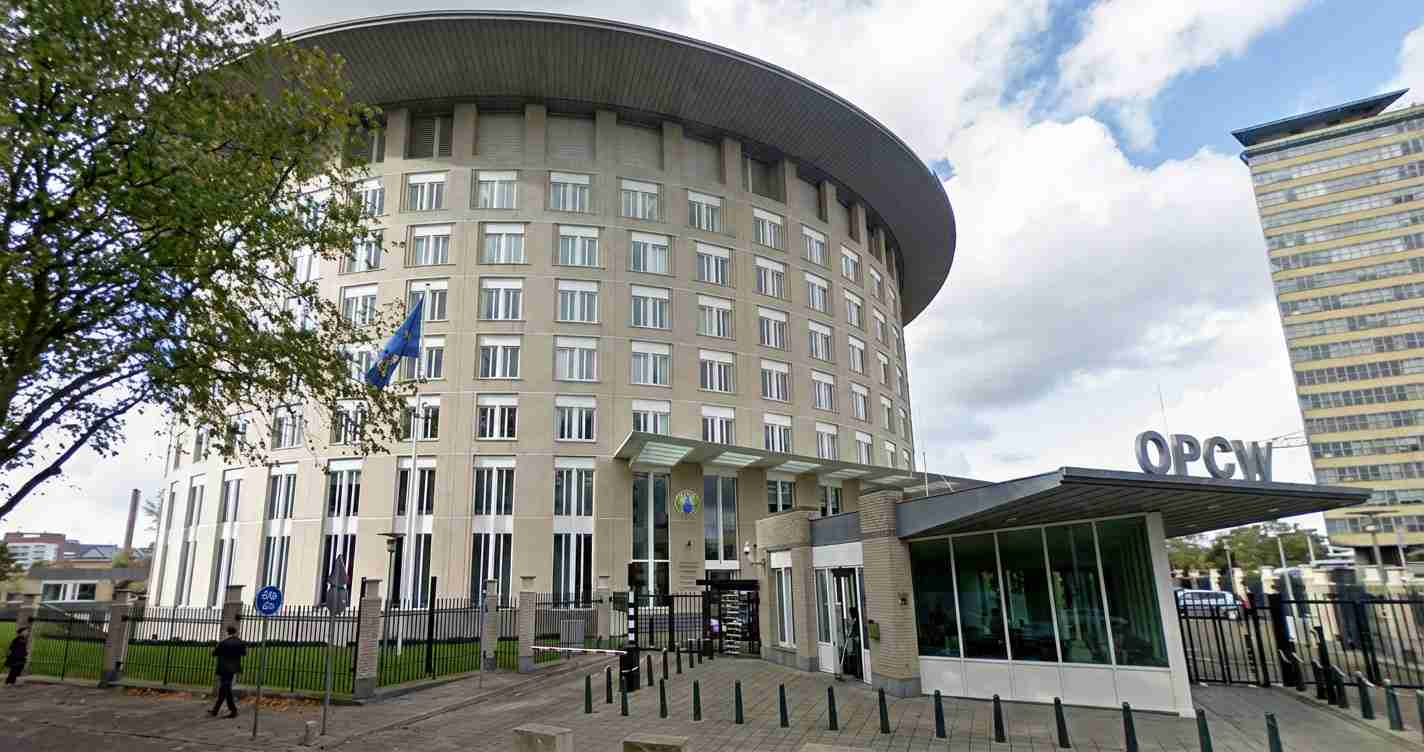
Andrea Stricker, deputy director of FDD’s Nonproliferation Program and the report’s author, urged U.S. allies and the Organization for the Prohibition of Chemical Weapons (OPCW) to investigate the credible claims. The report warns that ignoring these allegations would create a dangerous gap in international monitoring and enforcement.
Eyewitness accounts and casualty reports
Survivors and witnesses supplied some of the most troubling details. Protesters described agents they said were far more lethal than standard tear gas. One eyewitness said,
“What was fired was not tear gas.”
Another witness reported people “collapsed” after exposure. Independent reporting compiled by Iran International documents at least 12,000 killed in the wider crackdown, with intense violence on Jan. 8–9 occurring amid a near-total internet blackout. That reporting also alleges attacks on wounded protesters in hospitals involving tear gas and metal pellets, plus assaults on patients and medical staff (Iran International).
Legal obligations and calls for investigation
Iran is a signatory to the 1997 Chemical Weapons Convention (CWC), which bans development, production, stockpiling, transfer and use of chemical weapons. If the allegations are confirmed, Tehran would be in direct violation of the CWC and basic international norms. More than 30 human rights and civil society groups have urged the U.N. to open a formal inquiry, echoing FDD’s call for the U.S., allies and the OPCW to pursue forensic and diplomatic action (FDD analysis).
Policy options: diplomacy, sanctions and military targeting
The report stresses that policymakers must address Iran’s nuclear and chemical threats in tandem. Options range from independent investigations and strengthened sanctions to targeted strikes on suspected chemical research and production sites.
Stricker writes that if the United States contemplates strikes over nuclear facilities, it should “seriously consider including the regime’s chemical weapons research and production facilities among targets” to halt development and deter future atrocities (FDD analysis).
The Biden administration moved earlier in February 2026 to impose sanctions tied to the violent crackdown — including measures against Iran’s security chief, senior military officers and 13 entities added to the U.S. Specially Designated Nationals list — signaling Washington’s concern about the repression (Iran International).
Why the chemical weapons angle matters now
Chemical weapons break a core international taboo. The CWC exists to prevent states from developing and using agents that cause mass suffering. Confirmed use of chemical agents against civilians would raise legal, moral and strategic questions for U.S. and allied policymakers — and heighten pressure to pursue accountability and deterrence.
Failing to investigate, the FDD warns, would leave survivors without accountability and permit clandestine chemical work to continue alongside Iran’s nuclear efforts, compounding regional and global security threats.
Implications for Utah, United States
- National security: Utah hosts active-duty bases and Reserve units; escalation with Iran or strikes against chemical facilities could raise risks for U.S. forces and families.
- Local veterans and first responders: A verified chemical threat would require additional training, medical preparedness and equipment upgrades for Utah’s emergency services.
- Economic ties: Conflict could disrupt oil markets and global trade, affecting fuel prices and supply chains that touch Utah businesses.
- Political consequences: Calls for a U.N. probe and firm responses are likely to resonate with Utah’s security-focused electorate and leaders.
- Humanitarian and moral concerns: Faith and civic groups in Utah may mobilize for advocacy, refugee support and humanitarian assistance if the crisis worsens.
Source notes and transparency
This report is based on the FDD analysis: “Did Iran use chemical weapons on protesters?” (FDD analysis) and reporting compiled by Iran International on the scale of the crackdown and subsequent sanctions actions. The FDD analysis cites eyewitness testimony and statements from more than 30 human rights and civil society groups calling for a U.N. probe. The OPCW is the body normally responsible for investigating chemical weapons claims.
Reporting questions for policymakers
- Will the OPCW and U.N. open an independent investigation?
- What forensic steps are required to confirm chemical use and chain of custody?
- What diplomatic, sanctions or military measures would follow if findings confirm use of chemical agents?
Preserved source links: FDD analysis — “Did Iran use chemical weapons on protesters?”; Iran International reporting on crackdown and sanctions.