Trump Announces “Operation Epic Fury” — U.S., Israel Strike Iran to Stop Nuclear, Missile Threats
President Donald Trump announced on February 28, 2026, the start of “Operation Epic Fury,” a coordinated U.S.-Israel campaign of major combat operations against Iran aimed at dismantling nuclear and missile capabilities and neutralizing perceived threats to U.S. forces and allies.
Key takeaways
- Operation Epic Fury began Feb. 28, 2026, with coordinated U.S. and Israeli strikes intended to degrade Iran’s nuclear and missile infrastructure.
- U.S. and Israeli roles: Israel reportedly struck leadership targets while U.S. strikes focused on sites posing imminent threats to U.S. forces and allies.
- Officials warned the campaign could last weeks, involve air, cyber and psychological operations, and carry risks of wider regional escalation.
What Trump said and how he framed the campaign
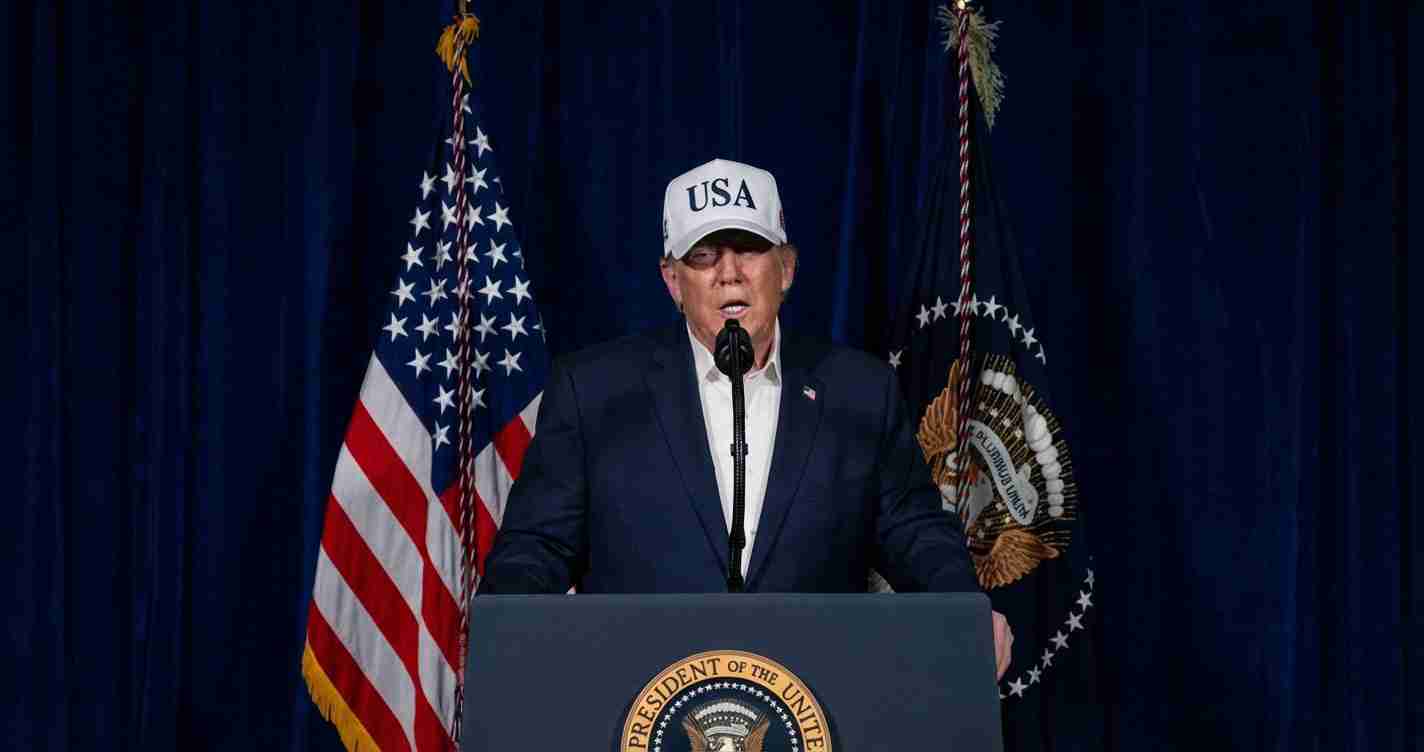
President Trump posted a video message on Truth Social describing Iran as “a vicious group of very hard, terrible people,” saying the United States will not tolerate mass terror any longer and reiterating that Iran “can never have a nuclear weapon.” He framed the campaign as a defensive, necessary step to protect American interests and prevent Tehran from acquiring nuclear weapons.
“This terrorist regime can never have a nuclear weapon,” Trump said, calling the effort “a noble mission” while warning of possible American casualties and urging Iranian forces to surrender for immunity or face “certain death.”
Trump also urged Iranian civilians to seek shelter and encouraged Iranians to rise up against their government, framing part of the objective as securing freedom for the Iranian people.
Reporting and statements cited: Politico: “Trump says U.S. is carrying out major combat operations in Iran”, CBS News live updates: “Israel, U.S. attack Iran; Trump says major combat operations”, and Iran International reporting: “Trump announces operations against Iran”.
How we got here: history and recent diplomacy
Officials and reporting trace the operation to a combination of failed diplomacy, accelerating Iranian capabilities and a history of confrontations.
- Failed talks: Weeks of negotiations reportedly collapsed after Iran rejected U.S. demands to halt nuclear weapons production; U.S. officials labeled diplomacy ineffective at removing an imminent threat.
- Threat acceleration: The administration warned Iran rebuilt nuclear work and developed longer-range missiles; Trump previously warned of a “massive Armada” and signaled military pressure alongside talks.
- Past flashpoints: Tensions trace to earlier episodes, including the 2020 killing of IRGC Quds Force commander Qassem Soleimani and repeated regional strikes and proxy attacks that complicated diplomacy.
Sources cited in reporting include Politico and Iran International.
U.S. and Israel coordination
Officials reported joint action: Israel reportedly struck leadership targets inside Iran while U.S. strikes targeted facilities posing immediate danger to U.S. forces and allies. Iran responded with missile launches that at times threatened Israel and U.S. bases in the region, according to military statements.
- Coordination included shared objectives to degrade delivery systems and blunt Iran-backed militias across the Middle East.
- U.S. officials said they briefed and coordinated closely with Israeli leaders on targeting and timing.
Reporting: CBS News and Iran International.
Military posture and options
The Pentagon and other agencies prepared a range of tools and assets, including carrier strike groups, fighter jets and other forces staged in the region. Plans reportedly included airstrikes, cyber operations and psychological campaigns designed to disrupt command systems and reduce Iranian operational capacity.
Analysts say objectives could range from limited degradation of Iran’s military-industrial base to broader attempts to undermine the regime. Officials warned the fight could last weeks and could risk wider regional escalation.
Sources: Iran International and CBS News.
Threats, evacuations and civilian warnings
Trump urged Iranian civilians to seek shelter. U.S. officials signaled some strikes were designed to limit civilian casualties, though risk remains for broader conflict and supply-chain disruptions. Iran’s missile launches raised concerns about counterstrikes and potential attacks on shipping lanes and energy infrastructure.
Military statements warned of threats to Israel and U.S. bases; officials emphasized the need for civilians in affected areas to follow protective guidance.
Legal and political context
The scale of strikes and use of the phrase “major combat operations” prompted questions about legal authority, congressional oversight and the administration’s justification. Officials framed the action as necessary to defend U.S. forces and prevent an imminent threat; lawmakers from both parties sought briefings and reviews as events unfolded.
Reporting and commentary: Politico and CBS News.
Implications for Utah
Economic impact
- Energy and fuel prices: A wider Middle East conflict typically raises oil and gasoline prices, which could push up Utah pump prices and energy costs.
- Trade and travel: Airfares and shipping costs may rise, potentially affecting Utah’s recreation and tourism industries through higher travel costs and reduced consumer confidence.
Political consequences
- Utah’s conservative base often prioritizes strong national defense; many voters may view the operation as aligned with protecting U.S. interests and allies.
- Utah’s members of Congress are likely to press for classified briefings and face constituent pressure on measures to protect troops and homeland security.
Social effects
- Military families: Utah’s large military and veteran community—including Air National Guard and service members at Hill Air Force Base—could be affected by mobilizations or deployments.
- Community preparedness: Families may seek emergency guidance; state and local officials may provide information on readiness and National Guard activations.
Cultural relevance
Many Utah residents prioritize national security and protection of American lives; the administration’s stance on the Iranian nuclear threat will resonate with voters focused on deterrence and nonproliferation. Faith and civic groups may mobilize humanitarian assistance for civilians affected in the region.
Practical applications for residents
- Monitor official guidance: Watch briefings from state emergency managers and the governor’s office for advisories.
- Check with employers and schools: Military members and reservists should notify employers and schools about possible activations.
- Prepare for price changes: Households can adjust budgets and conserve energy to offset short-term fuel and heating cost increases.
Sources and further reading
- Politico: “Trump says U.S. is carrying out major combat operations in Iran”
- CBS News live updates: “Israel, U.S. attack Iran; Trump says major combat operations”
- Iran International reporting: “Trump announces operations against Iran”
- Video of President Trump’s remarks
Reporting compiled from the above sources and official statements.