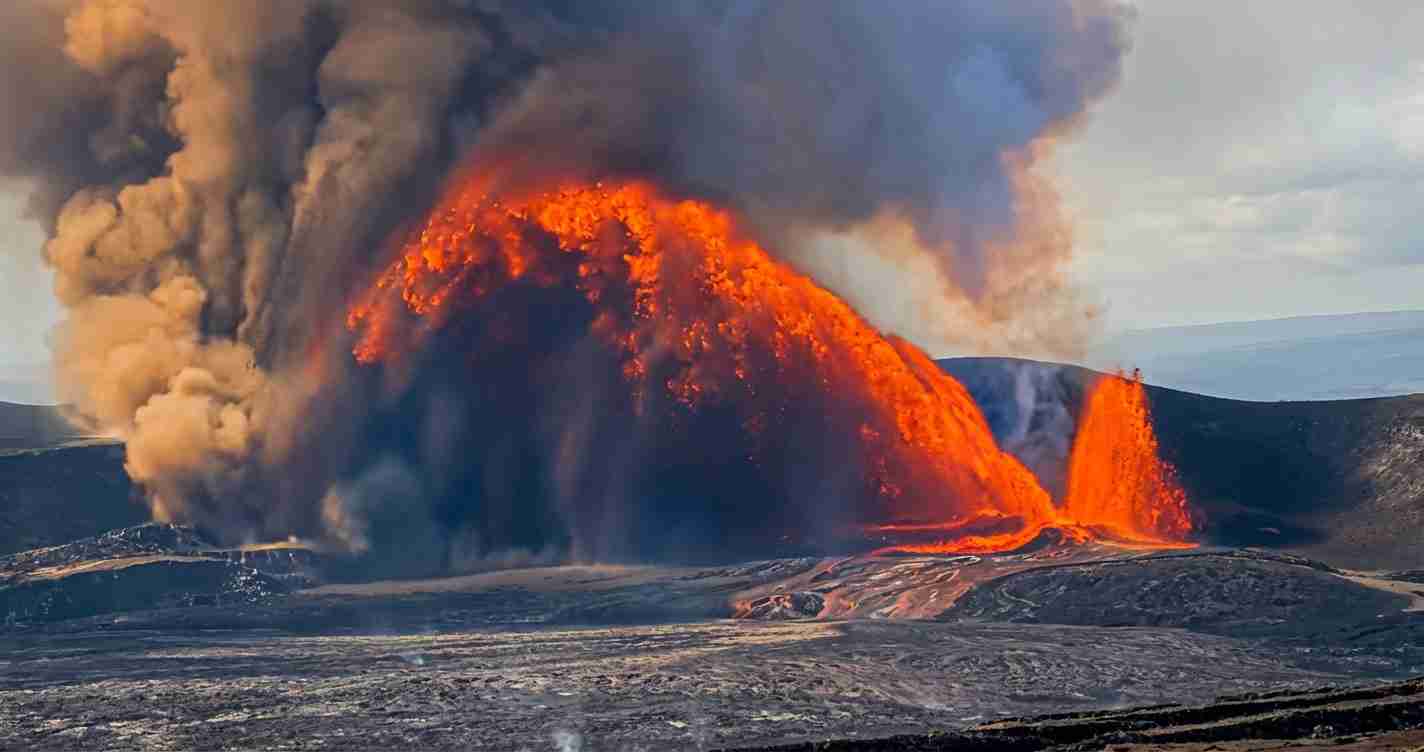
Volcano National Park tourist dies after entering closed area of Kīlauea caldera, raising safety concerns
A 33-year-old Hawaii resident died after entering a closed area on the east side of the Kīlauea caldera in Hawaiʻi Volcanoes National Park; search-and-rescue crews found and airlifted him to Hilo Benioff Medical Center, where he was pronounced dead.
- Fatal incident: A visitor entered a closed east-caldera area at Kīlauea, was located after an overnight search, airlifted to Hilo Benioff Medical Center and pronounced dead.
- Ongoing hazards: Park officials say Kīlauea was not erupting but cliffs, unstable ground and hidden vents remain deadly.
- Broader pattern: Experts link the death to a trend of visitors ignoring closures at national parks, increasing rescues and risks.
- Local implications: Utah and other park communities may see calls for clearer signage, more funding for rangers and growth in guided tourism.
What happened at Kīlauea caldera
Timeline: Rescuers responded the night of Feb. 26 to a report of someone inside a closed section on the east side of the Kīlauea caldera. Crews worked through steep, hazardous terrain and located the man on Feb. 27. He was airlifted to Hilo Benioff Medical Center and pronounced dead. The National Park Service has withheld his name pending family notification.
Reporting and scene details draw from local and national outlets, including Fox News: “National park death exposes repeated rule violations, tourists take dangerous risks” and Big Island Video News: “Man dies after being airlifted out of Kīlauea volcano caldera”.
Park hazards and the safety message
Park officials emphasized that although Kīlauea was not erupting at the time — the most recent lava episode ended on Feb. 15 — the caldera remains dangerous. Cliff edges can be unstable, ground can give way, and hidden steam vents or hot ground can exist even when lava is not visible. Officials urge visitors to stay on marked trails and obey closures to protect both people and fragile volcanic features (Big Island Video News).
A pattern of rule breaking at national parks
Park leaders and researchers note similar dangerous behavior at other parks. Thermal areas in Yellowstone require boardwalks and fencing because of scalding waters; nearly two dozen people have died from burns in Yellowstone’s thermal areas since 1872. In 2025 and 2024, multiple incidents at Yellowstone, Olympic and Bryce Canyon involved visitors leaving trails or climbing safety rails for closer views or photos, sometimes with fatal consequences (Fox News; Fox4).
“Signs and barriers can only do so much when visitors decide to ignore them,” said Bill Wade, executive director of the Association of National Park Rangers, noting the increased risk to both visitors and rescue personnel.
Why visitors ignore warnings: expert view
Dylan Spencer, an assistant professor of criminal justice and criminology at Georgia Southern University and co-author of a September 2025 study titled “Recreation and disarray: Analysis of disorder in U.S. national parks,” attributes many incidents to flawed risk perception. Some visitors treat parks like controlled attractions rather than dynamic, sometimes dangerous, natural landscapes — a misread that can lead to crossing barriers or approaching hazards for photos (Fox News).
Rangers: warnings and limits of enforcement
Operational reality: Rangers prioritize warnings, visitor education, rescue readiness and reasonable enforcement, but when people ignore posted closures they often trigger hazardous rescue missions that endanger both visitors and responders. Patrols and signage help, but enforcement capacity is limited in remote, rugged terrain (Fox4).
The role of visitation growth
Rising park visitation increases the statistical likelihood that someone will ignore closures or misjudge hazards. Crowded parks also complicate efforts to send clear safety signals to short-stay visitors treating a park visit like a quick sightseeing stop rather than an outing into a wild landscape (Fox News).
Kīlauea caldera death and Hawaii Volcano safety
Park officials stressed the death was not linked to an eruption. Instead, it highlights non-lava hazards — unstable cliffs, rockfall, hidden steam vents and fragile ground — and reinforces the need to follow closures and posted warnings. Investigators continue to review the Feb. 26–27 incident (Big Island Video News; Fox News).
Implications for Utah
Economic: Repeated reports of rule violations and injuries may shift some travelers toward guided or managed experiences, potentially boosting local outfitters while changing visitor planning patterns.
Political: The incident could strengthen calls for clearer signage, increased ranger funding, and stronger local partnerships to enforce safety rules and support search-and-rescue capacities.
Social and cultural: Utah’s outdoor culture values stewardship; messaging that frames park rules as responsible guardianship of both people and landscapes may resonate. Community groups and faith-based organizations could support education and volunteer patrols.
Practical steps: Utah parks and outfitters can review signage, barriers and visitor flow; emergency services should assess readiness for complex rescues; travelers should consider guided visits and be briefed on specific hazards like thermal areas and unstable volcanic ground.
Key information and sources
- A 33-year-old Hawaii resident entered a closed east-caldera section; search-and-rescue crews began work the night of Feb. 26 and located him Feb. 27; he was airlifted to Hilo Benioff Medical Center and pronounced dead. The man’s name is being withheld pending family notification — sources: Fox News: “National park death exposes repeated rule violations, tourists take dangerous risks”; Big Island Video News: “Man dies after being airlifted out of Kīlauea volcano caldera”; Fox4.
- Park officials said Kīlauea was not erupting at the time; the most recent lava episode ended Feb. 15, but the caldera remains hazardous due to unstable edges and volcanic features (Big Island Video News).
- The incident fits a broader pattern of visitors ignoring warnings at national parks, with examples at Yellowstone, Olympic and Bryce Canyon; see also coverage by The Independent.
Sources and further reading
- Fox News: “National park death exposes repeated rule violations, tourists take dangerous risks”
- Big Island Video News: “Man dies after being airlifted out of Kīlauea volcano caldera”
- Fox4: “National park death exposes repeated rule violations, tourists take dangerous risks”
- The Independent: Coverage of Kīlauea caldera incident and national park safety issues
Reporting includes information from national and local park officials, academic experts and park ranger organizations.