Chinese COSCO Container Ships Turn Back at Strait of Hormuz, Raising Questions About Iran’s “Toll Booth” and Global Energy Security
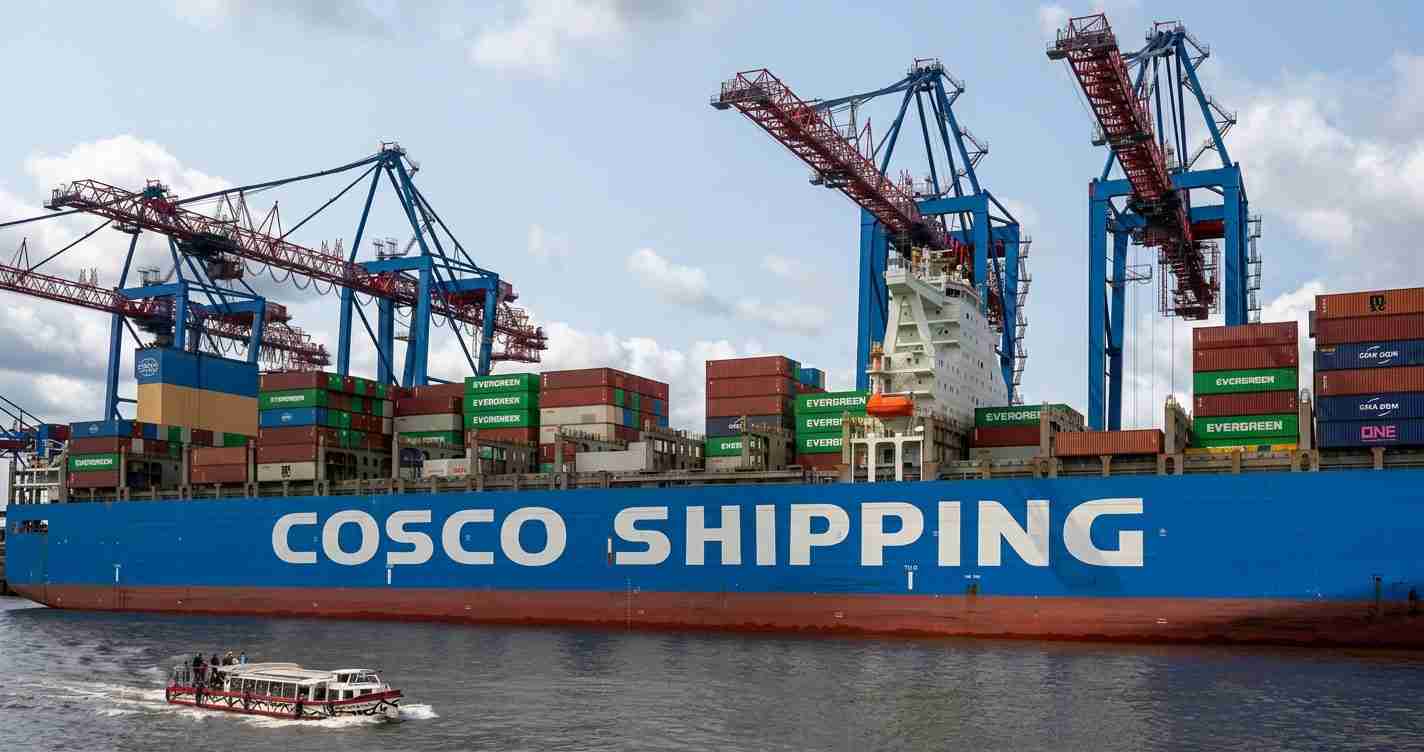
Two COSCO container ships — CSCL Indian Ocean and CSCL Arctic Ocean — aborted their transit through the Strait of Hormuz on March 27, 2026, turning back near Larak Island despite Tehran’s assurances, highlighting escalating maritime coercion and risks to global energy flows.
Key takeaways
- At least three vessels — including the COSCO-operated CSCL Indian Ocean and CSCL Arctic Ocean and the Hong Kong‑owned Lotus Rising — reversed course near Larak Island on March 27, according to ship-tracking services and research groups (see coverage by Times of India and The Straits Times).
- IRGC enforcement has created a de facto approval regime at the chokepoint, effectively acting as a checkpoint that can bar vessels based on prior port calls or political criteria.
- The episode undercuts Tehran’s public pledge of safe passage for friendly nations and highlights limits to Chinese leverage, raising fresh uncertainty for oil and gas shipments through the strait.
What happened in the strait
Ship-tracking data show the two Hong Kong‑flagged COSCO vessels attempted to move through the strait at about 0350 GMT on March 27 before sailing away from the designated corridor near Iran’s Larak and Qeshm islands. MarineTraffic and the Foundation for Defense of Democracies flagged the abrupt U-turns and traced movements and timing (see reporting in Times of India and The Straits Times).
According to reporting, the COSCO ships repeatedly broadcast messages on their automatic identification systems identifying Chinese ownership and crew — a precaution intended to signal friendliness to Iranian authorities — but those signals were apparently judged insufficient at the IRGC-controlled checkpoint.
IRGC warning and Tehran’s rules
Iran has treated the Strait of Hormuz as a controlled gateway since tensions flared on Feb. 28. The IRGC Navy has been enforcing selective passage policies. An IRGC-affiliated outlet quoted a statement:
“sailing of any ship to and from the ports of the allies and supporters of the Zionist‑American enemies to any destination and from any corridor is prohibited.”
This policy appears to bar traffic to and from ports Iran regards as aligned with the U.S. and Israel, including Gulf states such as the United Arab Emirates and Saudi Arabia. IRGC enforcement effectively creates a checkpoint or “toll booth” at the strait where passage is allowed only for vessels meeting Iran’s political and operational terms.
Why the ships turned back
There is no single public explanation for the sudden reversals; reporting and maritime sources suggest several possible causes:
- Denied authorization: Tehran may have determined the COSCO ships lacked necessary permission because of prior port calls in locations Iran now considers hostile (reporting cites Lloyd’s List for those visits).
- Direct warning: The vessels may have been warned by IRGC naval units and ordered to return for inspection or to avoid escalation.
- Strict paperwork: Analysts note that in a politically tense environment paperwork and authorization can be strict, and safe passage may not be guaranteed even for ships claiming Chinese ties (analysis in The Straits Times).
Analysts and diplomatic signals
Analysts observed a gap between Iran’s diplomatic assurances to Beijing and the operational reality. Rebecca Gerdes of Kpler said the event showed that “safe passage could not be guaranteed,” even for ships flying the flag of a friendly nation (reported in The Straits Times).
China’s foreign ministry sought to calm tensions. Chinese Foreign Minister Wang Yi called for peace talks and said negotiations would help “restore normal navigation” through Hormuz. Still, the U-turns underscore how limited Beijing’s leverage may be when Tehran uses maritime control as a bargaining tool.
The broader shipping crisis
Traffic through the Strait of Hormuz has collapsed, shrinking by as much as 90–95% from normal levels since early March, according to vessel movement reports. Roughly one-fifth of the world’s oil and gas supply normally flows through the strait; disruptions ripple quickly to global energy markets.
The reduction has left thousands of seafarers stranded and pushed shippers to reroute cargo around Africa, increasing transit time and cost. Those shifts add pressure to global energy prices and increase risk for supply chains dependent on Gulf oil and liquefied natural gas.
Why this matters to China, Iran and the U.S.
- China: Securing uninterrupted sea lanes is a core interest; COSCO’s attempt signaled Beijing’s desire to protect maritime commerce and to test Tehran’s assurances.
- Iran: Control of the strait yields leverage in a conflict where Tehran faces U.S. military presence and sanctions, allowing it to exert pressure by restricting passage.
- United States and partners: The incident is a reminder that Iran can disrupt a vital chokepoint and that diplomatic guarantees may be ineffective if military actors enforce hardline rules.
Implications for Utah
Economic and energy exposure
Utah households and businesses could feel pressure from higher energy costs. Though Utah is not an oil-exporting state, rising global oil and gas prices feed into national pump prices, home heating and transportation costs. Disruption in the Strait of Hormuz — which affects about 20% of global oil and gas supply — risks higher fuel bills and inflationary pressure reaching Utah consumers and farms.
Political and security concerns
For Utah’s conservative voters, the incident underscores the limits of diplomatic assurances when adversaries use coercion at key choke points. Lawmakers representing Utah may press for stronger measures to safeguard maritime commerce and energy security, boosting calls for tougher stances on Iran and enhanced naval patrols.
Local businesses and supply chains
Companies in Utah that rely on imports shipped from Asia through the Gulf may face delays and higher freight costs if rerouting becomes sustained. Manufacturers and retailers should review inventory and logistics plans to reduce vulnerability to longer transit times.
Public safety and community impact
Emergency planners should note the risk that energy market shocks pose to families on fixed incomes. Local agencies may need to prepare for stress on social services if fuel price spikes and inflation affect lower-income households.
Practical steps for Utah residents and officials
- Consumers can reduce fuel exposure by conserving energy and budgeting for potential price rises.
- State and local officials could urge federal policymakers to prioritize protection of commercial sea lanes and press for diplomatic measures to reduce Iran’s leverage.
- Businesses should assess supply chain vulnerabilities and explore alternative routes or stocking strategies to buffer against extended disruptions.
Sources and reporting
This article draws on vessel tracking and regional reporting cited in Times of India and The Straits Times, which cited ship-tracking services, maritime outlets and IRGC-affiliated reporting. Related video and analyst commentary are available in Related video and analysis.
Reporting compiled from ship-tracking services, regional reporting and public statements cited above.