Wounded U.S. airman survives 36 hours in Zagros Mountains before daring CIA-led rescue
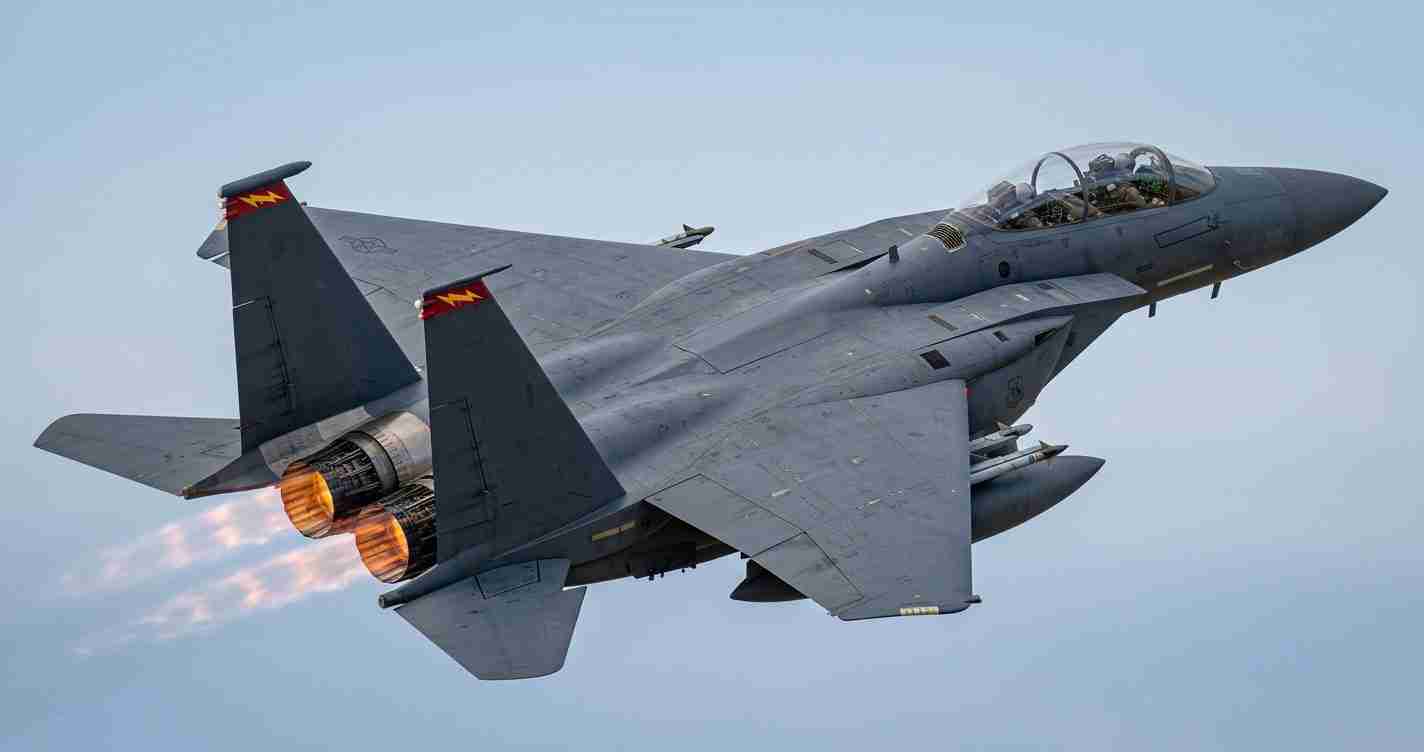
A U.S. Air Force weapons systems officer was seriously wounded after his F-15E was shot down over southwestern Iran on April 3, 2026, and evaded capture for more than a day before a CIA-led rescue extracted him early April 5.
Key takeaways
- F-15E Strike Eagle shot down over southwestern Iran on April 3, 2026.
- The pilot ejected and was rescued within hours; the weapons systems officer (WSO) was seriously wounded and evaded capture for roughly 24–36 hours in the Zagros Mountains (Time, CBS News).
- The WSO used a handgun, an emergency beacon and a brief radio message to stay alive until a coordinated CIA-led extraction.
- CIA-led tracking and deception, backed by U.S. special operations and aerial assets, enabled a daylight extraction early April 5; the airman is expected to recover.
Main story
Crash and escape: how the WSO survived in the Zagros
What happened: U.S. and media accounts say the F-15E was struck by hostile fire as it operated in southwestern Iran. Debris later matched an F-15, according to weapons experts and reporting.
Ejection and recovery: The jet’s pilot ejected and was recovered within hours by helicopters, sustaining relatively minor injuries, according to U.S. officials and CBS News.
The weapons systems officer, however, suffered serious wounds. Despite those injuries, U.S. officials and reporting say he climbed into higher, more remote terrain in the Zagros range, reached a crevice and hid there while Iranian forces and local fighters searched the area. The officer carried only a handgun and a personal communications device when he transmitted an emergency signal that would later guide rescuers.
Quote: He reportedly sent a short radio message saying, “God is good,” before U.S. forces reached him.
CIA tracking and deception campaign
According to reporting, the CIA played a central role in locating the WSO. Agency analysts tracked signals from the airman’s equipment to narrow his position to a crevice in Kohgiluyeh and Boyer-Ahmad province, part of the Zagros Mountains.
The CIA also carried out a deception campaign meant to draw enemy searchers away. Intelligence officers spread false reports — including claims that both crew members had already been rescued and were leaving the area by ground — through local channels and social platforms to reduce risk to the active rescue team, sources say.
How the extraction unfolded
Commanders authorized a broad daylight extraction early Sunday local time. U.S. officials described a complex operation that combined manned aircraft, MQ-9 Reaper drones for overwatch and perimeter security, and special operations troops to recover the airman (Time, CBS News).
Reporting named elite U.S. forces among participants, noting SEAL Team 6 elements were involved and that Delta Force and Army Rangers were placed on standby or positioned to assist if needed. Exact unit roles and force size have not been publicly confirmed and vary across accounts.
As the rescue unfolded, MQ-9s and other aircraft were said to have engaged hostile forces that approached within roughly two miles of the airman’s position. Video reporting and U.S. sources described close coordination among intelligence, air assets and ground operators to create a secure window for extraction.
Complications and contested claims
The mission faced last-minute problems. U.S. accounts said two aircraft became disabled near a staging area south of Isfahan, and that commanders destroyed stranded equipment to prevent it falling into enemy hands. Reports also noted separate U.S. aircraft incidents near the area, including an A-10 that crashed under disputed circumstances; Iranian officials have claimed responsibility for some strikes, while U.S. sources have offered differing accounts.
Some details circulating in public discussion have not been independently verified. Media outlets differ on the duration the WSO remained hidden — reports range from about 24 hours to closer to 36 hours — and on precise unit-level participation and force counts (Time, CBS News).
Official statements and public reaction
President Trump announced the rescue and celebrated its success on social platforms, saying “WE GOT HIM!” and calling the recovery “one of the most daring rescues in U.S. history.” He also said the rescued airman was “safe and sound” and would recover (Time).
U.S. Defense Department and intelligence officials declined to release the airman’s name for operational security. Multiple news outlets, including Time and CBS News, have reported central facts of the mission and the CIA’s role.
Context: first fighter downed in decades
Analysts and officials noted this incident marks the first U.S. fighter jet lost in combat in more than 20 years. It comes amid heightened U.S. strikes in Iran, targeting infrastructure and key nodes — a backdrop that has raised strategic and political stakes in Washington and among U.S. allies (CBS News).
Sources and reporting
This article draws from reporting by Time and CBS News, eyewitness and video accounts, and official statements available as of April 6, 2026.
- YouTube video: eyewitness footage
- YouTube video: analysis and context
- YouTube video: additional reporting
Implications for Utah
- Military communities and morale: Utah hosts many active-duty service members, veterans and families tied to the Air Force, especially near Hill Air Force Base. The WSO’s survival and the rescue scale will resonate in those communities and underscore the value of combat search-and-rescue capabilities (Time).
- Defense industry and jobs: Contractors and suppliers in Utah support Air Force systems; the downing of an F-15E may spur demand for avionics, survivability upgrades and search-and-rescue gear, translating into contracts and skilled jobs (CBS News).
- Political and legislative response: Utah’s congressional delegation, generally supportive of strong defense spending, is likely to press for continued investment in the Air Force, special operations readiness and intelligence capabilities.
- Preparedness and training: The operation highlights the importance of mountain survival training, emergency beacons and joint-intelligence coordination; Utah’s National Guard and training centers could emphasize mountain rescue and interagency drills.
- Public safety and community impact: Families of service members may feel heightened concern; veteran organizations, faith groups and civic leaders are likely to organize support and advocate for care for wounded service members returning home.
Note: Further reporting and official releases may clarify unit details, exact timelines and the identity of the airman once authorities deem it safe to do so. The core publicly reported facts remain: a U.S. WSO was wounded when an F-15E was downed, he evaded capture in the Zagros using a beacon and radio, and a complex, intelligence-driven U.S. rescue successfully recovered him (Time, CBS News).