Trump officials call California offshore oil import dependence a national security threat, press to restart Sable Offshore pipeline
Trump administration officials are invoking emergency powers to restart offshore oil operations off California, calling the state’s heavy reliance on imported crude a national security threat and urging reopening of the Sable Offshore pipeline near Santa Barbara.
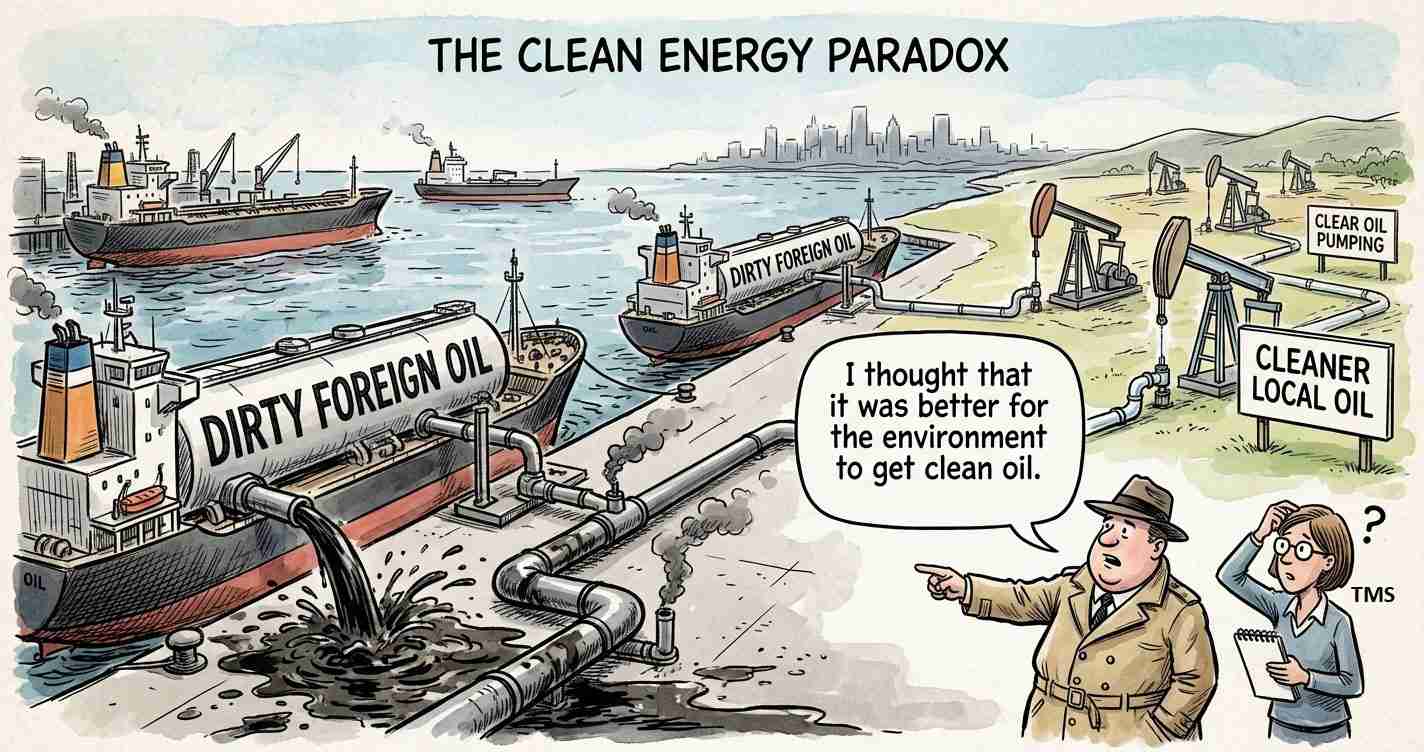
- Federal claim: The Energy Department says more than 60% of oil refined in California is imported and that dependence risks military readiness and local supply chains — E&E News, Energy Department fact sheet.
- Action sought: Officials want to restart previously drilled offshore wells and the Sable Offshore pipeline near Santa Barbara to reduce imports and strengthen energy security — Politico.
- State pushback: Governor Gavin Newsom and California regulators call the move illegal, cite past spills and promise legal challenges — California Governor’s office.
Federal push: the national security argument
The administration frames California’s import reliance as a direct national security concern. Energy Secretary Chris Wright and Interior Secretary Doug Burgum say declines in in‑state production and reduced refinery capacity have left California exposed, noting the state hosts more than 30 military facilities that depend on steady fuel supplies (E&E News; reporting citing officials’ remarks).
Wright argues the fastest way to blunt that exposure is to restart existing, previously drilled offshore wells, pipelines and processing systems rather than wait for new permits or onshore development. Officials contend such restarts could bolster supply, lower fuel costs and protect critical infrastructure serving both military and civilian needs (Politico).
What officials say — direct quotes and source notes
“That is an absolute national security risk,” Interior Secretary Doug Burgum said, calling California an “energy desert” and tying domestic production to manufacturing and technology resilience (reporting citing officials’ remarks).
Energy Secretary Chris Wright emphasized military exposure and said restarting previously drilled wells could strengthen energy security for military operations, businesses and consumers (E&E News).
Defense Production Act and the Sable Offshore pipeline
The administration reports invoking emergency powers, including elements of the Defense Production Act, to accelerate repairs and restarts of pipeline systems tied to offshore platforms. The targeted system is the Sable Offshore pipeline near Santa Barbara, which connects platforms to onshore processing sites (Politico).
Officials stress the action is time‑sensitive because global instability — particularly threats to shipping lanes such as the Strait of Hormuz — can rapidly constrict foreign crude supplies California now depends on (E&E News).
California response: state authority, environmental concerns, and the 2015 spill
Governor Gavin Newsom called the federal move exploitative and pledged legal resistance, arguing it threatens coastal protections and ignores the legacy of the 2015 Santa Barbara spill. The state press release frames the restart effort as unlawful federal overreach and promises court challenges (California Governor’s office).
Environmental groups and regulators warn that restarting offshore platforms and pipelines risks new spills and harms to fisheries, tourism and coastal communities; they favor rebuilding refinery capacity or expanding renewables for long‑term resilience (Energy Department fact sheet).
The shifting energy map: production, refineries and imports
Historically a major domestic producer, California’s in‑state oil output and refinery capacity have declined over decades. The administration emphasizes that more than 60% of oil refined in California now comes from foreign sources — a central datum used to justify emergency steps (E&E News; reporting citing officials’ remarks).
Interior Secretary Burgum linked reliable, affordable energy to manufacturing competitiveness, electricity reliability and emerging technologies such as artificial intelligence, arguing that domestic production supports broader economic and security goals (reporting citing officials’ remarks).
Legal and logistical hurdles to restarting Sable Offshore
Restarting platforms and pipeline systems will confront legal, technical and environmental barriers: state permits, coastal protections and cleanup standards are among the obstacles. The administration’s emergency invocation aims to accelerate some processes for previously drilled infrastructure, but legal challenges from California and interest groups are expected (Politico).
Implications for Utah
Economic and energy markets: Utah could feel indirect effects if California refinery capacity is restarted — regional crude flows, refinery margins and pump prices may shift, affecting drivers and businesses (E&E News).
Security and regional readiness: Utah hosts military installations that are part of national logistics networks; stabilizing Pacific fuel supplies can reduce strain on stockpiles and transportation routes supporting bases in the interior West (E&E News).
Political takeaways for Utah conservatives: The dispute underscores tensions between federal action to secure energy and state environmental regulation. Supporters may view the administration’s stance as aligned with energy independence and economic security priorities (Politico).
What to watch next
- Legal challenges: Expect court battles over the use of emergency powers and the scope of federal authority (California Governor’s office; Politico).
- Operational timelines: Watch for federal updates on repairs, permits and specific platforms and pipeline segments targeted for restart; practical, environmental and legal hurdles could slow progress (E&E News).
Sources and further reading
- Politico: Trump administration invokes emergency powers to restart oil operations off California coast
- E&E News: Trump admin invokes emergency powers to restart oil pipeline off California
- U.S. Department of Energy fact sheet
- California Governor’s office: Newsom press release
- Reporting citing officials’ remarks
Reporting compiled from Times Media Service coverage and published federal and news sources listed above. All original facts, information and URLs have been preserved and linked to the sources provided.