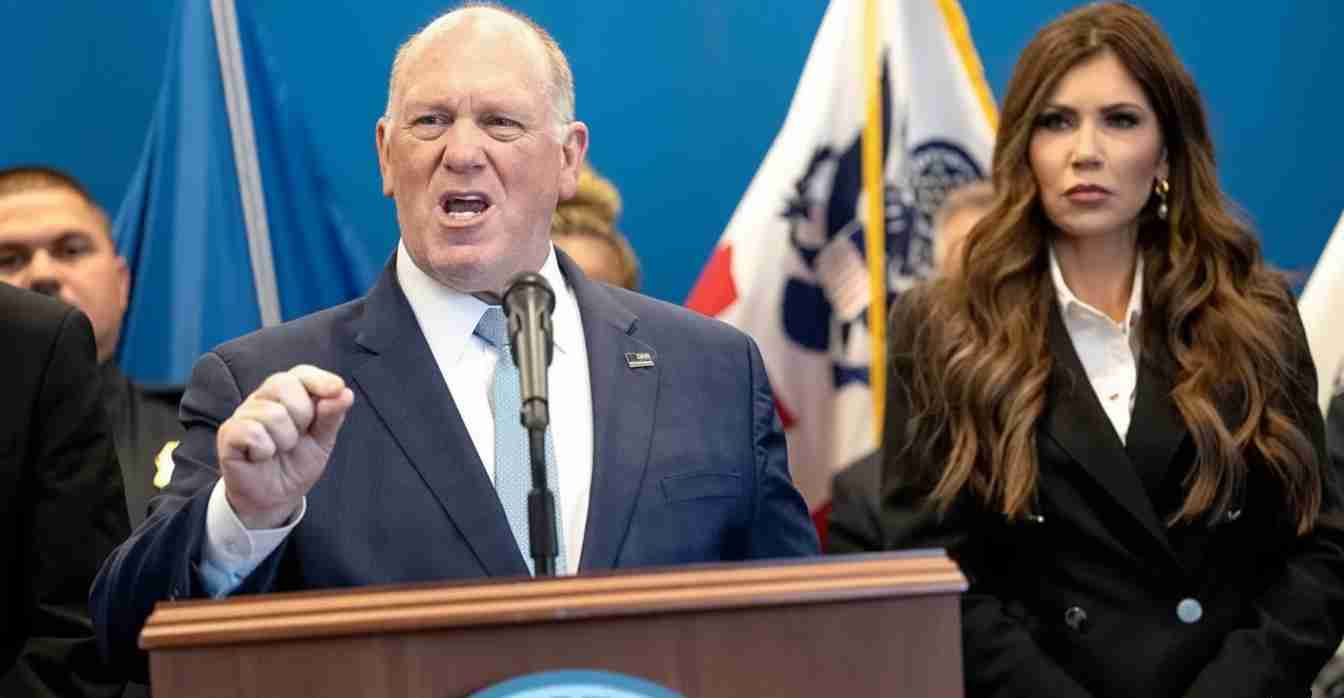
ICE leadership shake-up exposes growing DHS friction as Trump pushes faster deportations
The Trump administration is overhauling ICE leadership nationwide, replacing up to a dozen senior field directors and importing CBP officials as senior advisers push aggressive deportation targets to dramatically accelerate removals.
Key takeaways
- Up to a dozen senior ICE field office directors are slated for replacement amid White House frustration over deportation figures; sources include ABC News and CBS News.
- Senior personnel moves: Kenneth Genalo will retire, Robert Hammer will be reassigned, and Derek Gordon is expected to become acting HSI director — reported by Fox News and CBS News.
- New enforcement approach: Leadership installs from Customs and Border Protection and redirected HSI resources aim to deliver faster removals, drawing legal and civil liberties challenges (ABC News, Fox News).
Main story
Leadership changes and replacements
The personnel moves extend across ICE. Kenneth Genalo, a senior Enforcement and Removal Operations (ERO) official, is set to retire. Robert Hammer, a longtime HSI official, will be reassigned, and Derek Gordon, currently deputy special agent in charge, is expected to serve as acting HSI director. Reporting on these moves cites both Fox News and CBS News.
Sources told reporters that up to 12 senior field office directors — from Los Angeles to Philadelphia and other major offices — are on the list for replacement. The administration plans to tap leaders from U.S. Customs and Border Protection (CBP) to run some ICE field offices, marking a break from ICE’s long-standing practice of promoting from within (ABC News).
White House pressure and deportation targets
The shake-up traces to mounting frustration in the West Wing over what officials view as slow deportation rates. Senior adviser Stephen Miller pressed ICE leadership during a May 21 meeting, with reports saying Miller and DHS Secretary Kristi Noem pushed to detain as many as 3,000 people per day — a target described on television as a “minimum” goal. Coverage appears in Fox News and CBS News.
“The department is one team, one fight,” DHS spokeswoman Tricia McLaughlin wrote on social media, saying Secretary Noem would lead a team “to deliver on the American people’s mandate to remove criminal illegal aliens” and remain “laser focused on RESULTS.”
New enforcement strategies and legal workarounds
To meet aggressive targets, DHS has adopted tactics that shift how and when arrests occur. One reported approach focuses on people in removal proceedings who have been in the U.S. less than two years: DHS attorneys may dismiss pending immigration cases, enabling agents to arrest those individuals and seek expedited removal — a faster process normally unavailable to people with active cases. Civil liberties groups and defense attorneys are expected to challenge such tactics in court (Fox News).
Critics warn dismissing cases to enable expedited removal can undercut due process for asylum seekers. Supporters counter that procedural changes are necessary to return people who lack legal status and free detained beds for higher-threat detainees (Fox News).
Shifting HSI priorities and internal friction
Homeland Security Investigations (HSI) is being redirected from its longstanding transnational crime mission — including human trafficking and child exploitation investigations — to support arrest and deportation operations. CBS News reports many agents and supervisors are now assigned to these enforcement tasks, heightening internal friction within DHS (CBS News).
Supporters say redeploying HSI personnel is a necessary, temporary measure to meet enforcement goals and can be managed to protect other investigations. Critics argue it risks compromising public-safety priorities that depend on deep, sustained investigative work.
Controversial leaders and political actors
A small group of influential figures is tied to the reorganization: advisor Corey Lewandowski, DHS Secretary Kristi Noem, and a figure identified as Commander at Large Greg Bovino are reported drivers of the changes. Bovino’s aggressive tactics have prompted controversy; at least one federal judge reportedly called him to testify about whether he disregarded a court order. The story was covered by ABC News.
Personnel turmoil and past turnover
This is not the first major shake-up at ICE under the current administration. Caleb Vitello, initially selected by President Trump to lead ICE, was reassigned in February after weeks as acting director. He was followed by Todd Lyons, who remains acting director amid the latest changes (CBS News).
Legal and public pushback
The sweeping personnel moves and new case tactics are likely to draw legal challenges from judges, defense attorneys and immigrant advocacy groups. Observers note that rapidly scaling arrests and using expedited removals for people with recent arrivals could invite litigation over due process and statutory limits.
Administration backers argue faster removals will strengthen deterrence, reduce criminal recidivism by noncitizens, and protect communities — messaging that resonates with voters who prioritize strict enforcement (Fox News; CBS News).
Implications for Utah
Economic impact: Accelerated deportations and expanded enforcement could affect Utah employers in industries that rely on immigrant labor — construction, agriculture and services. Faster removals may increase labor shortages and raise replacement costs for employers.
Political consequences: For Utah’s conservative electorate, the ICE overhaul and clear deportation targets may appeal to voters who favor strict enforcement. But high-profile removals could spark debate among state lawmakers, sheriffs and religious leaders.
Social effects: Increased arrests at immigration hearings may heighten fear among immigrant families, reduce trust in local institutions, and strain social services as households lose breadwinners. Local nonprofits and faith organizations should brace for higher legal-aid and emergency-assistance demand.
Practical applications: Utah residents may notice more ICE activity near immigration courts and hearings. Employers should review compliance plans and prepare for rapid workforce changes. Legal aid groups and defense attorneys should anticipate increased caseloads related to expedited removal and case dismissals.
Sources
Report compiled from published accounts; all original facts and URLs preserved above.