Trump orders immediate resumption of U.S. nuclear testing, cites Russia’s missile tests and China’s growing arsenal
President Donald Trump ordered the Pentagon to resume U.S. nuclear weapons testing immediately, citing Russia’s missile trials and China’s expanding arsenal, ending a decades-long moratorium and raising urgent questions about arms-control norms and global security.
- Immediate order: Trump said he had “instructed the Pentagon to start testing our Nuclear Weapons on an equal basis” and that the process “will begin immediately.” (Source)
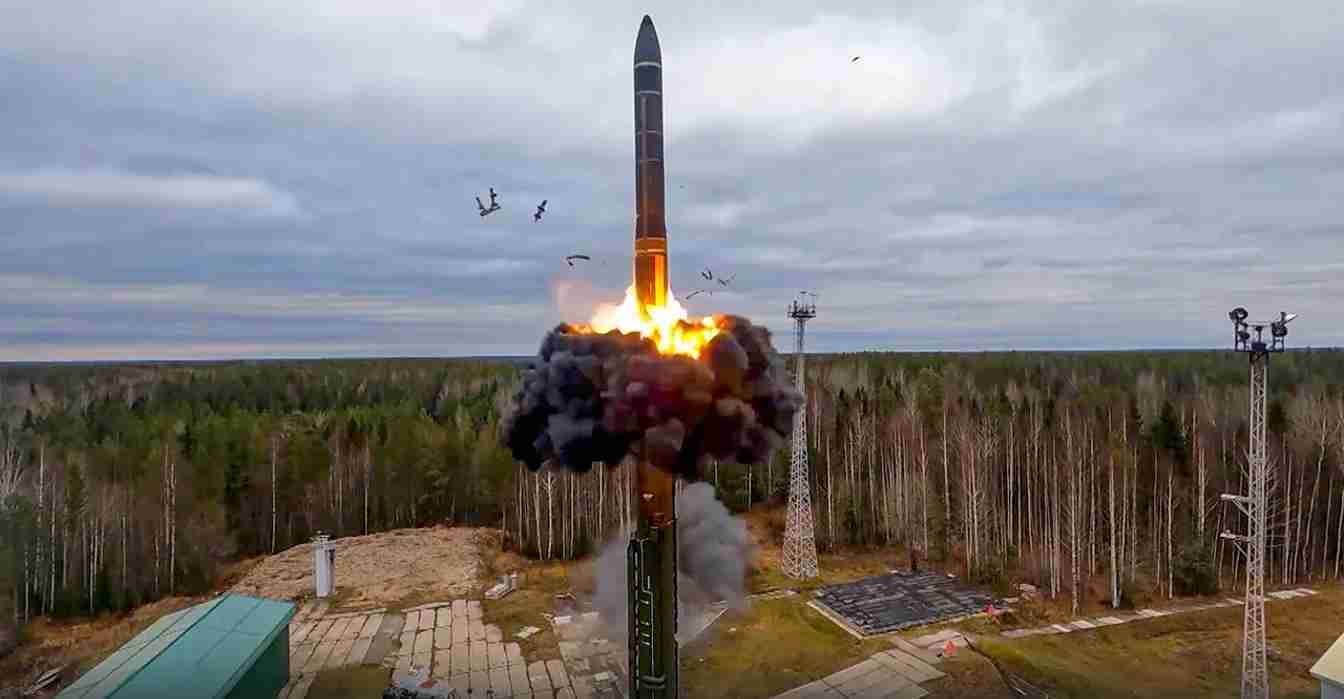
- Context: The announcement followed reports of Russia’s Oct. 21 test of a nuclear-capable, nuclear-powered cruise missile known as Burevestnik (NATO name “Skyfall”), a delivery-system test rather than a nuclear detonation. (Source)
- Historic moratorium: The U.S. has observed a de facto moratorium on explosive nuclear testing since 1992; Russia’s last known test was 1990 and China’s 1996. A return to testing would break long-standing practice. (Source)
- Unclear scope: The White House offered no immediate operational details, and some communications were affected by a shutdown; officials have not said whether tests would be explosive, subcritical, or limited to simulations. (Source)
Details and context
President Trump framed the decision as defensive and reactive. In his social media post he said other countries are testing and the United States must match them “on an equal basis.” The post specifically referenced Russia’s Oct. 21 test of the Burevestnik cruise missile and what the president described as rapid expansion of China’s nuclear capabilities. (Source)
Types of testing: what they mean
It is critical to distinguish between delivery-system tests and nuclear explosive detonations. Russian statements characterized the Burevestnik event as a test of a nuclear-powered delivery system, not an explosive nuclear test. Since the 1990s most major powers have observed a de facto global moratorium on nuclear detonations; North Korea remains a notable exception with explosive tests from 2006–2017. (Source)
Why this matters: treaties and norms
For nearly three decades a global norm against explosive nuclear testing has held. The Comprehensive Nuclear-Test-Ban Treaty (CTBT), opened for signature in 1996, has helped establish that norm despite not entering into force. A U.S. return to explosive testing would break long-standing practice and could undermine international arms-control regimes and nonproliferation efforts. (Source)
Legal and technical hurdles
An order to begin “testing” requires federal agencies to define the type of testing: full-scale explosive detonations, subcritical experiments, or laboratory assessments. Full-scale tests present major legal, environmental, and technical hurdles and would be quickly detected by international monitoring networks established under the CTBT framework, creating immediate diplomatic consequences. The administration had not provided details on type, location, or timetable. (Source)
Russia, China and the U.S. arsenal
The president justified the move as necessary to keep pace with rivals. He described the U.S. arsenal as “second” compared with Russia and “a distant third” relative to China. Independent analysts note China has been expanding its stockpile and delivery systems while Russia pursues advanced delivery technologies; however, there are no public reports that either has resumed explosive nuclear testing. The administration’s decision appears driven by concerns over delivery-system testing and declared modernization programs. (Source)
Operational and safety questions
Resuming weapons testing raises large operational and safety concerns. The U.S. has limited recent institutional experience in mounting explosive nuclear tests. Personnel readiness, environmental safeguards, monitoring, and emergency plans would require rapid review. Technical constraints also exist: nuclear design work has relied on simulations, subcritical tests, and non-explosive experiments for decades. The Pentagon had not released a public plan or timeline at the time of the announcement. (Source)
Diplomatic ripple effects
A U.S. return to explosive testing would likely draw international condemnation and could prompt reciprocal steps, warn arms-control advocates. It risks triggering a renewed arms race, reducing transparency and weakening global efforts to constrain proliferation. Allies supportive of nonproliferation may face political pressure. The announcement preceded formal diplomatic consultations, and the White House did not offer immediate clarifying statements amid limited communications. (Source)
How experts describe the difference
Experts emphasize that missile or delivery-system tests do not equate to detonating a new nuclear warhead. Missile tests are serious but distinct from explosive nuclear tests, which the CTBT specifically bans. This distinction will shape how the U.S. might justify any resumption and how other nations respond. (Source)
Reactions and unanswered questions
At the time of the announcement official U.S. comment was limited. The White House did not release an official statement through typical channels; sources reported some communications were affected by a shutdown. The Pentagon and the National Nuclear Security Administration had not released operational details, leaving unclear whether the order calls for full-scale explosive tests or expanded non-explosive testing and modeling. (Source)
Implications for Utah
Economic and industrial effects
Utah’s defense and industrial base could see increased activity if the Pentagon expands nuclear weapons work. Federal contracts tied to maintenance, manufacturing, or testing support could benefit local suppliers and contractors in the Salt Lake City and Ogden corridors. Utah hosts companies and subcontractors that supply parts and services to the defense sector; an uptick in testing or readiness work could create new contracts and revenue. (Source)
Military and infrastructure consequences
Installations such as Hill Air Force Base and Tooele Army Depot support national defense logistics and could see tasking or operational shifts tied to nuclear readiness programs. Increased movement of equipment or personnel may follow if the Department of Defense expands testing or stockpile work. Emergency-preparedness agencies should monitor federal coordination on safety and environmental monitoring. (Source)
Political and public response
Utah’s conservative-leaning electorate often favors strong national defense; many local leaders may view a stronger posture as necessary to counter Russia and China. At the same time, some policymakers will press for clear information on risks, costs, environmental safeguards, and legal authority. Transparency from the administration will be central to local support. (Source)
Environmental and community concerns
Full-scale nuclear explosive testing would raise environmental and health questions. Historically the most likely U.S. test sites included the Nevada Test Site; any expanded activities would spur scrutiny of environmental protections and monitoring systems, involving regional and federal agencies. Utah communities near military installations may request updates on safety plans and potential impacts on air and water quality. (Source)
Legal and economic oversight
Utah’s congressional delegation and state officials will likely seek briefings about contracting opportunities, liability protections, and the role of local firms. They may push for federal funds for infrastructure or public-health monitoring to support any increased activity. (Source)
What Utah should watch next
- Official Pentagon and NNSA guidance on what “testing” means in implementation.
- Any federal requests for contracting or construction affecting Utah businesses.
- Coordination between federal emergency-management agencies and Utah’s public-safety offices on monitoring and response.
- Statements from Utah’s congressional delegation and state leaders on support, concerns, or requests for information.
Source links and reporting note
This report is based on the initial presidential announcement and related reporting from the Times Media Service. Key background and the president’s social media post are summarized at Source. Further reporting will be required as the Pentagon, the National Nuclear Security Administration, and the White House provide more details about scope, timing, and nature of any planned testing, and as international reactions develop. (Source)