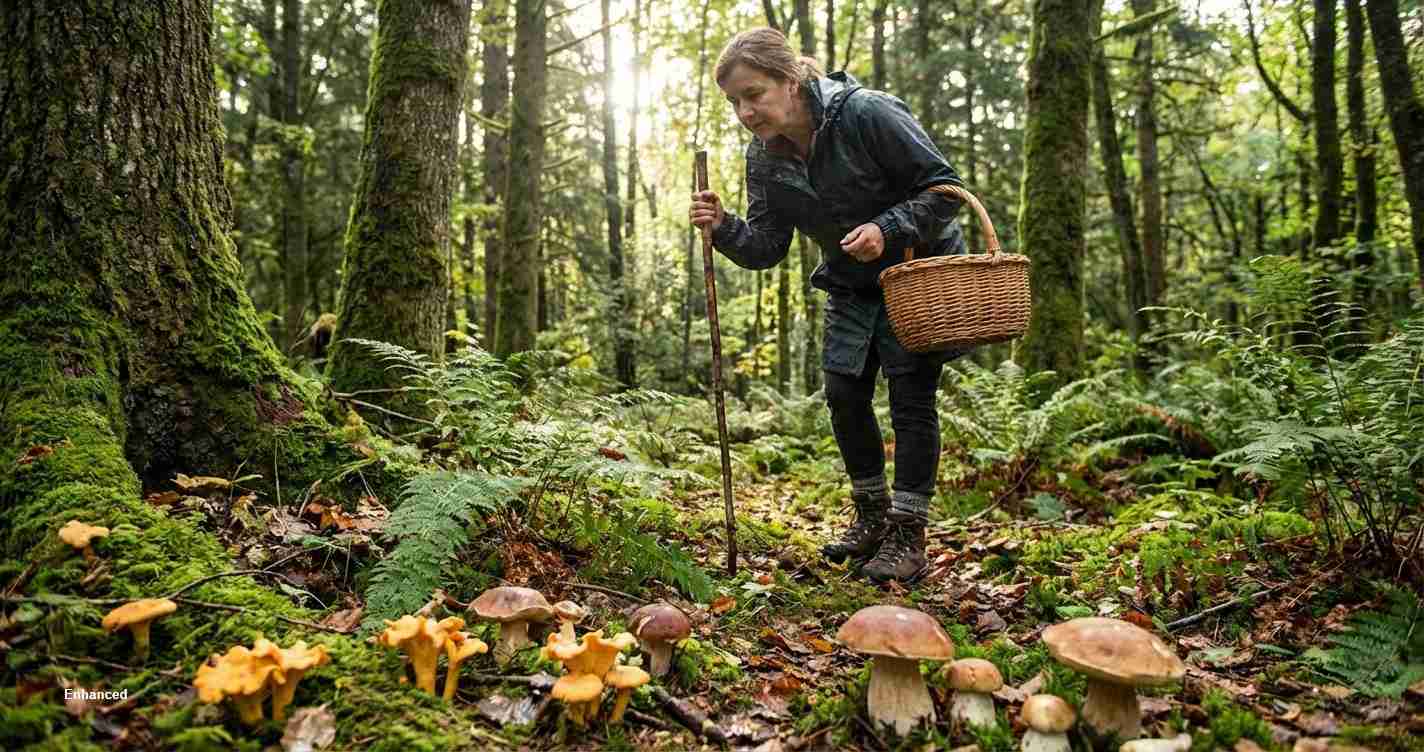
California issues urgent amatoxin mushroom warning after deadly poisoning cluster — officials blame death cap mushrooms
California health officials issued a statewide warning after 21 people suffered suspected amatoxin poisoning — several with severe liver damage — likely from death cap mushrooms. Residents are urged not to eat wild mushrooms unless an expert identifies them.
Key takeaways
- 21 cases of toxic mushroom poisoning were identified in mid‑November through early December.
- Illnesses are consistent with amatoxin poisoning, most likely from death cap (Amanita phalloides).
- Amatoxins can cause severe liver damage; cooking, freezing or drying does not destroy them.
- Do not eat wild mushrooms unless a trained mycologist confirms they are safe; call Poison Control immediately if exposure is suspected.
What happened and how the outbreak was identified
State public health authorities and the California public alert were triggered after multiple patients presented with the same clinical pattern between mid‑November and early December. Clinicians observed the classic amatoxin course — delayed severe gastrointestinal symptoms, a brief improvement, then clear signs of liver injury — leading investigators to suspect death cap or related species.
Source: State public health warning and reporting
Why amatoxin poisonings are especially dangerous
Amatoxins inhibit RNA polymerase II, halting essential gene expression and rapidly damaging high‑metabolism organs, notably the liver and kidneys. Even one death cap mushroom can contain a fatal dose for an adult. Crucially, common food preparations — cooking, freezing, or drying — do not destroy amatoxins.
Reference: pasoroblesdailynews report
Typical symptoms and the dangerous “silent” phase
Health alerts describe a three‑phase clinical course:
- Initial phase (6–24 hours): nausea, vomiting, abdominal cramps, profuse watery diarrhea.
- Apparent improvement (24–72 hours): GI symptoms may ease while liver damage continues silently.
- Liver failure phase (2–7 days): jaundice, dark urine, pale stools, bleeding, confusion, decreased alertness and potential progression to acute liver failure, coma, and death without rapid care.
This deceptive improvement period makes early recognition and reporting critical.
Why misidentification happens
Death caps can closely resemble edible mushrooms sought by foragers, leading to frequent mistakes — even by experienced collectors. They commonly associate with oak and other hardwoods and appear after cool, wet weather. There is no reliable home test (for example, a silver spoon test or watching animals) that can safely distinguish toxic from edible specimens.
Source: pasoroblesdailynews analysis
Public health advice for residents
State officials recommend:
- Do not eat wild mushrooms unless a trained mycologist has positively identified them as safe — when in doubt, throw it out.
- Prefer commercially sourced mushrooms or attend guided, reputable forays and classes run by recognized mycological societies.
- If vomiting, diarrhea, or abdominal pain occur within a day of eating wild mushrooms, seek emergency care immediately and call Poison Control for guidance. In the U.S. call 1‑800‑222‑1222. California residents can contact the California Poison Control System.
Guidance for clinicians and hospitals
Clinicians should keep a high index of suspicion for amatoxin exposure in patients with delayed‑onset severe gastroenteritis and rising liver enzymes, especially with recent wild mushroom ingestion. Early consultation with Poison Control, gastroenterology/hepatology specialists, and liver transplant centers is essential. Consider supportive care and specialist‑guided therapies such as silibinin and N‑acetylcysteine when appropriate.
Practical precautions for families and pet owners
Children and pets are particularly vulnerable — supervise them outdoors and remove unknown mushrooms from yards, parks and trails. If a pet may have ingested a wild mushroom, contact your veterinarian and Poison Control immediately; veterinarians often collaborate with poison centers on these cases.
Where death cap mushrooms are most likely to be found
Death cap and related Amanita species are established in parts of Northern and Central California, frequently near oak trees and after autumn or early‑winter rains. Foragers in these regions should exercise particular caution and follow public health guidance closely.
Resources and source links
- State public health warning and reporting
- California Department of Public Health
- California Poison Control System and clinician/public resources
- U.S. Poison Control: 1‑800‑222‑1222
Implications for Utah
Although this cluster occurred in California, the warning has practical implications for Utah:
- Economic: Foragers, small businesses and farmers markets should verify wild‑mushroom suppliers to avoid risks and liability.
- Political & social: Community education emphasizing expert verification can protect public health while respecting outdoor and self‑reliant traditions.
- Clinical: Utah clinics and EDs should screen for recent wild mushroom ingestion in delayed gastroenteritis cases and remind staff of the Poison Control number.
Reporting that is investigative and practical
“A small number of misidentified mushrooms can trigger a statewide public‑health response.” Officials emphasize that deadly mushroom poisoning is not rare in California; the current alert underscores the acute danger posed by death caps and the simple public message: when in doubt, do not eat it.
For more information, see the state alert and contact the California Poison Control System or your local health department for guidance on safe practices and identification resources.