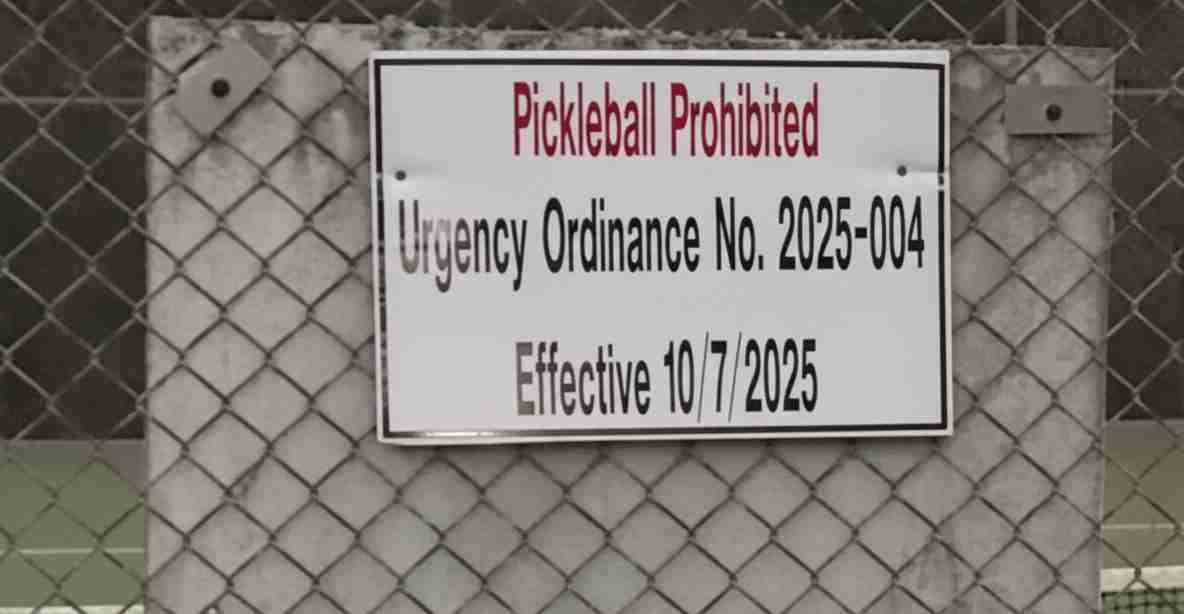
Wealthy Carmel moves to ban pickleball at Forest Hill Park amid mounting noise complaints
Carmel-by-the-Sea’s City Council voted to ban pickleball at Forest Hill Park, moving from temporary restrictions to a likely permanent prohibition after years of complaints about the sharp pop of paddles disturbing nearby residents and homeowners.
Key takeaways
- Carmel’s council voted to prohibit pickleball at Forest Hill Park, the only public court inside Carmel-by-the-Sea, after repeated noise complaints by nearby residents.
- The move follows a temporary suspension of play and would effectively ban the sport on municipal property if finalized.
- Officials rejected, or did not adopt, quieter-equipment compromises and cited persistent disturbances reaching private homes.
- This action could be the first full municipal pickleball ban in California and serves as a case study for other localities weighing noise, recreation and property rights.
Background and noise complaints
Carmel is a small, affluent coastal town on the Monterey Peninsula known for strict zoning, careful design rules and a high standard of quiet and aesthetics. Over several years, residents near Forest Hill Park logged repeated complaints about noise from the park’s pickleball courts.
The recurring issue centers on the sharp pop of paddles striking balls — a sound neighbors say carries into homes in what they describe as a quiet residential area. City leaders initially imposed temporary limits to study the problem and hear from both neighbors and players.
“We bought into a quiet neighborhood; this noise has been ongoing and disruptive,” said neighbors who urged the council to act.
From temporary restrictions to a likely permanent ban
Officials described the temporary suspension as an effort to balance public recreation with neighborhood peace. The public court at Forest Hill Park is the only city-run facility for pickleball inside Carmel-by-the-Sea, meaning a ban at that site would effectively bar the sport from municipal property.
Advocates for the ban argue the town has a duty to protect property values and quality of life. Opponents, including players and recreation advocates, emphasize the sport’s accessibility and health benefits, particularly for older adults, and have proposed mitigation alternatives such as sound barriers, relocation of courts, or quieter equipment.
In Carmel’s case, city leaders told reporters they believe the complaints outweigh proposed mitigations and moved toward a permanent prohibition after earlier temporary measures. Local reporting on the council vote and city actions is available from ABC7 News and Fox News.
A California first?
If the council completes the permanent ban, Carmel would be the first city in California to fully prohibit pickleball on city property rather than merely limiting hours or modifying play rules. Other California cities have imposed hours, noise rules or design changes, but Carmel’s move would be more sweeping.
Rejected compromise and verification limits
Local accounts indicate a compromise that would allow play only with quieter paddle-and-ball combinations was discussed but ultimately not adopted by the council. Specific technical details on quieter equipment and the council’s deliberations were not fully documented in primary reporting, and some elements remain unverified in public accounts.
Manufacturers and some players promote lower-impact paddles or softer balls that can reduce the sharp pop of standard equipment. Cities elsewhere have tested indoor-style balls or sound-absorbing solutions. Carmel council members and neighbors said they were not satisfied mitigation alone would stop sound from reaching private homes.
Local control and property rights in focus
Supporters framed the ban as preserving the character of a small coastal town and protecting private property rights. They said allowing unrestricted play at Forest Hill Park could undermine residents’ expectations when buying homes near the park.
City officials defended the decision as an exercise of local control — elected representatives responding to constituents’ concerns about noise, land use and neighborhood character.
Sources and reporting
This article draws on local reporting of the council’s vote and city actions. Primary reporting is available from ABC7 News and Fox News, which documented the council’s move to ban the sport at Forest Hill Park amid repeated noise complaints.
Implications for Utah
Carmel’s ban offers several takeaways for Utah communities grappling with rising recreational activity and the balance between public access and neighborhood peace:
- Zoning and property values: Noise disputes can influence land-use decisions and perceptions of property value; Utah towns may need clearer guidance on weighing recreation against neighborhood character.
- Noise ordinances and enforcement: The case highlights limits of existing noise rules; municipalities could consider specific sound standards, decibel measurements or targeted enforcement before conflicts escalate.
- Local control over recreation: The decision underscores the authority of city councils to shape public spaces; Utah communities may prefer local decision-making over statewide mandates.
- Equipment and mitigation options: The rejected quieter-equipment compromise suggests officials should pilot mitigation — quieter paddles, alternative balls, buffers or relocation — before moving to bans.
- Urban planning and community input: Transparent public hearings and balanced consideration of players, neighbors, businesses and health advocates are important when debating park use.
As pickleball grows nationwide, municipal leaders in Utah and elsewhere will face similar choices about how to regulate the sport, balance competing interests and protect neighborhood quality of life. The Forest Hill Park decision places that tension on display and provides a model of strong local action that other communities may study.